




More Than Just Summer Swelter
For decades, the term 'urban heat island' described a simple phenomenon: cities are hotter than the surrounding countryside, especially during summer. Dense concentrations of concrete, asphalt, and buildings absorb and retain the sun’s radiation, while
a lack of green space means less natural cooling from shade and evaporation. This can make urban areas several degrees warmer than their rural neighbours. However, a growing body of research shows this is not just a seasonal annoyance. The materials that make our cities hot in July also keep them warmer in December. As a result, urban heat is now understood as a year-round condition, presenting unique challenges in every season and shifting the focus of climate science.
The Unexpected Risks of Warmer Winters
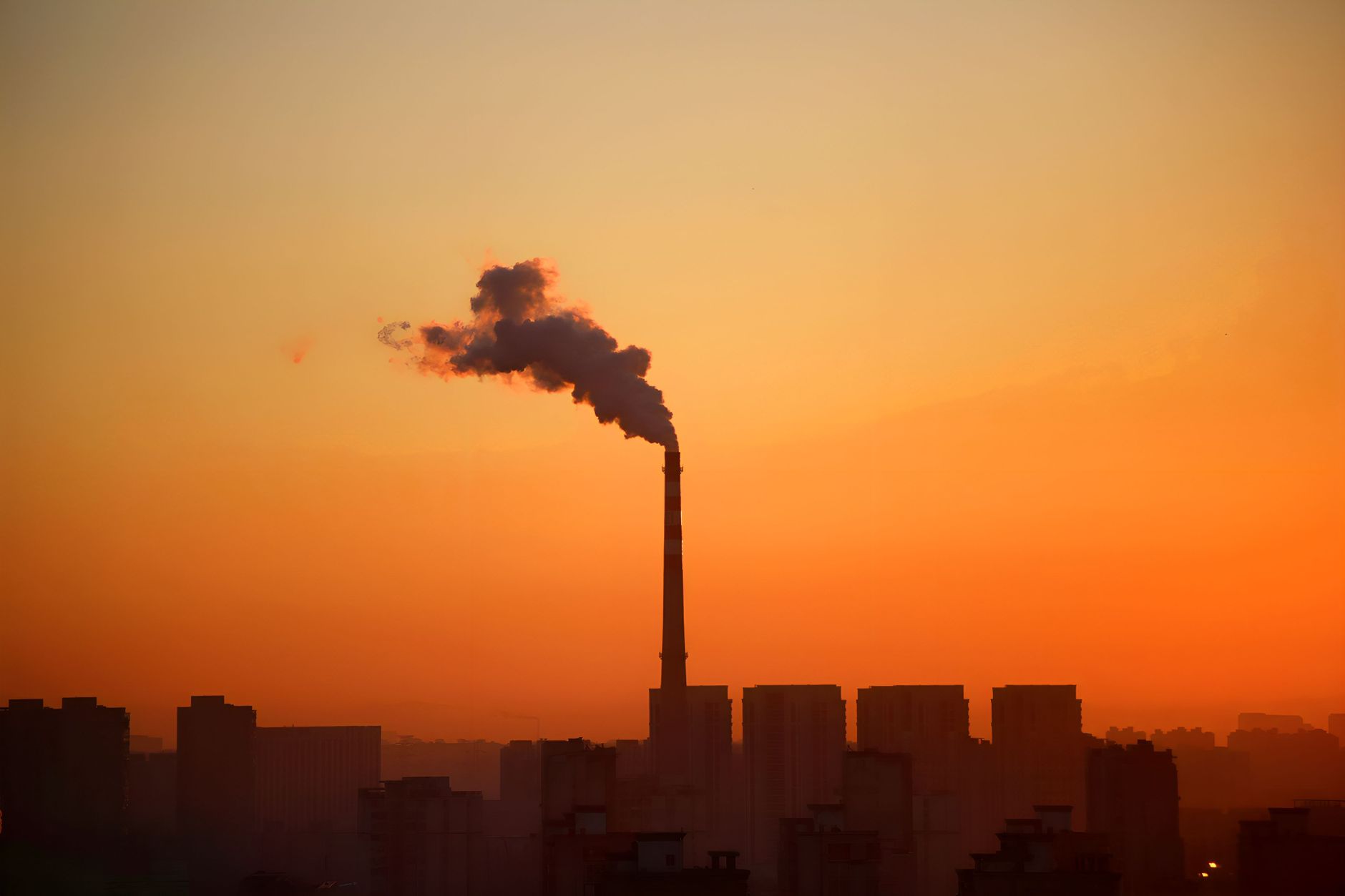
A warmer city in winter might sound appealing, but it carries hidden dangers. One of the most significant is the impact on air quality. During calm winter weather, the warmer air over a city can trap a layer of cooler air below it, creating what’s known as a temperature inversion. This acts like a lid, preventing pollutants from vehicles and industry from dispersing. The result is a concentrated smog of harmful particles like PM2.5 and nitrogen dioxide, which can worsen respiratory conditions like asthma. Beyond air quality, mildly warmer winter temperatures can cause repeated freeze-thaw cycles on roads and pipes, accelerating infrastructure damage. This persistent, low-grade heat stress on urban systems is a key reason researchers are now looking at the problem through a 12-month lens.
A Constant Strain on Health and Wallets
The year-round nature of urban heat puts a continuous strain on public health and household finances. Elevated nighttime temperatures, a signature of the urban heat island effect, are particularly dangerous because they rob the human body of its chance to cool down and recover from daytime heat. This increases the risk of heat exhaustion, cardiovascular stress, and other heat-related illnesses, which are no longer confined to summer heatwaves. This persistent warmth also drives up energy consumption. While winter heating bills might be slightly lower, the demand for air conditioning is starting earlier in the spring and extending later into the autumn, leading to higher electricity costs for much of the year. This economic pressure is felt most acutely by low-income households, making urban heat a critical issue of environmental equity.
How Indian Cities Are Responding
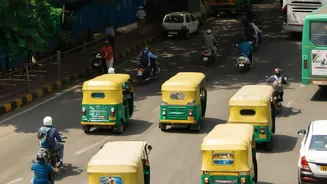
With India's rapid urbanisation, cities like Delhi, Ahmedabad, and Hyderabad are on the front lines of this challenge, regularly facing extreme temperatures. In response, they are becoming living laboratories for innovative solutions. Ahmedabad, for instance, has pioneered a Heat Action Plan that includes early warning systems and community outreach. Across the country, there is a growing push for nature-based solutions. Initiatives include increasing green cover through urban forests and parks, restoring water bodies that provide natural cooling, and implementing 'cool roofs' with reflective paint that can reduce indoor temperatures by 2 to 5°C. These strategies aim not just to fight summer heatwaves but to lower the baseline temperature of the city year-round, creating more resilient and liveable urban environments for everyone.