

A System Running on Floppy Disks
For decades, parts of the U.S. air traffic control (ATC) system have relied on surprisingly dated technology to manage the world's most complex airspace. The FAA recently announced it has begun phasing out information systems that still use floppy disks
and other 1980s-era hardware to distribute vital information, such as weather updates and operational alerts, to controllers. These legacy systems, while reliable for their time, have become increasingly difficult and expensive to maintain. They also represent a major bottleneck in an age of digital data, relying on manual processes in a system that demands instant, seamless communication to ensure the safety and efficiency of over 87,000 daily flights. The fragility of this aging infrastructure was highlighted by system outages that caused widespread delays, underscoring the urgent need for modernization.
Enter the Next Generation
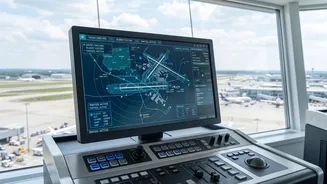
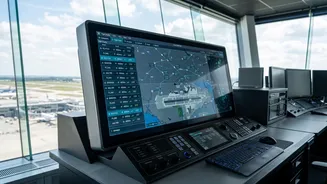
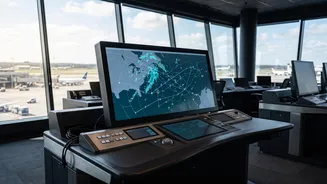
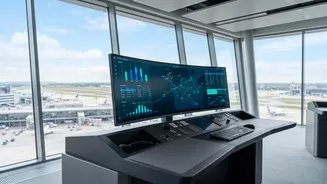
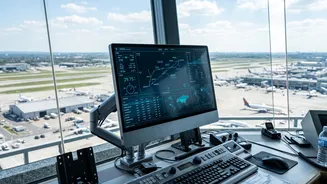
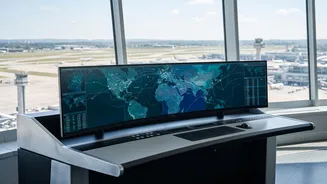
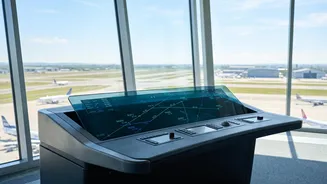
The replacement effort is part of a massive, multi-billion dollar initiative known as the Next Generation Air Transportation System, or NextGen. This comprehensive overhaul began in 2007 with the goal of transforming the entire U.S. air traffic system from a ground-based radar system to a modern, satellite-based surveillance network. The long-term vision is to increase safety, boost capacity, and improve efficiency across the National Airspace System (NAS). A key recent phase of this modernization is the rollout of the Enterprise Information Display System (E-IDS). This new digital platform will replace four separate legacy systems, consolidating critical data into a single, unified interface for controllers.
From Paper Strips to Digital Displays
The E-IDS rollout is a tangible example of the broader shift. The FAA plans to install the system at 435 facilities by the end of 2028, with initial deployments already underway at airports in Atlantic City, Nashville, and Rochester, as well as data hubs in Atlanta and Salt Lake City. This project runs in parallel with another critical upgrade: the Terminal Flight Data Manager (TFDM) program. TFDM is replacing the paper flight strips—small slips of paper used to track an aircraft's progress—with electronic versions in control towers across the country. This digitization reduces controller workload and allows for better coordination, helping to optimize the movement of planes on the ground, reduce delays, and improve safety.
What the Upgrade Means for Travelers
While these changes happen behind the scenes, they are designed to have a direct impact on the flying public. The primary goals of NextGen are to reduce delays, shorten flight times, and increase the system's overall predictability. By moving from radar to more precise satellite-based tracking (known as ADS_B), aircraft can fly more direct routes and be spaced closer together without compromising safety. This increased efficiency saves fuel, reduces carbon emissions, and gets passengers to their destinations faster. Better data integration also means controllers and pilots have greater situational awareness, especially regarding weather, which can help mitigate delays and make flying safer.
A Long and Complex Journey
Upgrading a system that operates 24/7 is a monumental task that cannot happen overnight. The full implementation of NextGen has been a multi decade effort, with different components being rolled out in phases. The current initiatives are part of a broader, congressionally funded push to accelerate the modernization, with a total investment of over $12.5 billion for the current phase. Although the process has faced delays and cost adjustments, the FAA is moving forward with a clear focus on the most critical components. The goal is to build a more resilient, efficient, and fundamentally safer air traffic system that is prepared for the demands of modern aviation, from commercial flights to future space operations.