







The Slow Leak of Micro-Expenses
It’s a familiar story for many salaried professionals in India. The month starts strong, but by the end, you're left wondering where a chunk of your money went. The culprit is often not a single large purchase, but a series of small, forgotten ones. This
phenomenon, sometimes called the 'latte factor', refers to how minor, regular expenses can add up to a substantial amount over time. A daily spend of ₹30 on tea and another ₹50 on an evening snack seems trivial. That's just ₹80. But over a month, it amounts to approximately ₹2,400. Annually, that’s over ₹28,000. This is money that quietly exits your bank account without being accounted for in your mental budget, creating a slow but steady drain on your salary.
The Psychology of Frictionless Payments
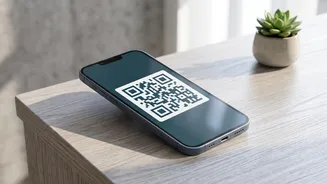
Unified Payments Interface (UPI) has revolutionised convenience, but it has also made spending almost frictionless. When you hand over physical cash, your brain registers a tangible loss. Studies in behavioural economics call this the 'pain of paying'. Digital transactions, however, create a psychological distance from the money. Tapping your phone or scanning a code doesn't trigger the same sense of loss, making it easier to spend without thinking. This 'decoupling' of the act of buying from the act of paying can lead to more impulsive and frequent purchases, as the financial consequence feels less immediate and real. The ease of UPI, while a technological boon, can inadvertently encourage overspending on these small-ticket items.
Why Tracking Is the First Step to Control
The goal of tracking micro-spending isn't to eliminate every small joy from your life. It’s not about giving up your daily chai. The primary purpose is to build awareness. When you don't track, these expenses exist in a financial blind spot. By simply noting them down, you bring them into focus. This act of monitoring transforms unconscious spending into conscious decision-making. Seeing the cumulative total at the end of a week or month is often a powerful wake-up call. It provides a clear, data-backed picture of where your money is actually going, which is the foundational step for any meaningful financial planning.
Practical Ways to Monitor Your UPI Spends
Fortunately, technology also provides the solution. Many dedicated expense-tracking apps are now built specifically for the Indian market and can automatically log your spending. Some UPI apps have built-in analytics that categorise your payments, giving you a monthly snapshot of where your money went on groceries, food, or travel. You can use apps like Paytrace or BillShot, which read your UPI payment confirmation messages or screenshots to log expenses automatically. For those who prefer a more hands-on approach, a simple weekly review of your bank or UPI app transaction history can be just as effective. The key is to find a consistent method that works for you and stick with it.
From Awareness to Actionable Budgeting
Once you have a clear picture of your micro-spending habits for a month, you can move from tracking to budgeting. Instead of being a mysterious drain, you can allocate a specific amount for these miscellaneous expenses. For instance, if you discover you're spending around ₹3,000 a month on snacks and beverages, you can create a 'Daily Treats' category in your budget for that amount. This simple act reclaims control. The spending is no longer accidental; it's planned. This allows you to enjoy your daily indulgences guilt-free while ensuring they don’t derail your larger financial goals. It puts you in the driver's seat of your finances.
Redirecting the Savings for Long-Term Gain
The money saved by managing micro-expenses can have a significant long-term impact. The ₹2,000-₹3,000 you might save each month can be redirected to more productive avenues. This could mean starting a Systematic Investment Plan (SIP) in a mutual fund, building an emergency fund for unexpected events, paying down debt faster, or saving for a significant purchase like a new gadget or a vacation. Small, consistent contributions to savings and investments can grow substantially over time due to the power of compounding. By plugging the small leaks, you free up capital that can be used to build real, long-term wealth and financial security.