





Create a Dedicated Cleaning Zone
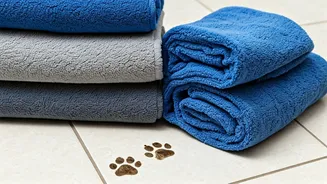
The first rule of managing muddy paws is to contain the mess before it spreads. Designate a specific entryway—whether it's a mudroom, laundry room, or just a small area by the back door—as your official 'de-mudding' zone. [8] Placing a heavy-duty, absorbent
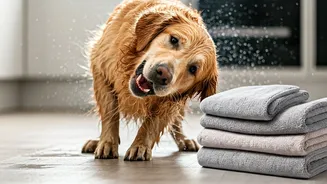
doormat outside the door and another one inside can work wonders. [1, 8] These mats are designed to scrape off the initial layer of dirt and soak up moisture. [11] To complete your station, keep a small stool, a stack of old towels, and all your cleaning supplies in a basket, ready for action the moment you and your pup walk in. [3] This organised setup turns paw cleaning from a frantic chase into a calm, predictable routine.
Choose the Right Tools for the Job
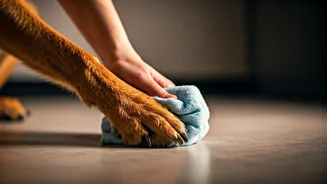
Not all muddy situations are the same, so your toolkit shouldn't be either. For light, everyday dirt, pet-safe grooming wipes are a convenient option. [7] They are gentle and effective for a quick clean-up between the toes. [2] For more significant mud, a simple microfiber towel and a basin of lukewarm water are often all you need. [4] Microfiber is more absorbent and better at trapping dirt than a standard cotton towel. [5] For seriously caked-on mud, consider a paw washer. These are silicone-bristled cups that you fill with a bit of water. You insert your dog's paw, twist gently, and the bristles scrub away the grime. [13, 16] Always use shampoos formulated specifically for dogs, as human products can be too harsh and strip essential oils from their skin. [20]
Master the Paw-Washing Technique
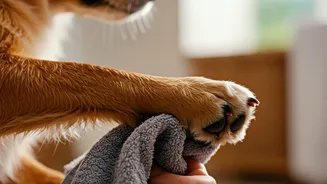
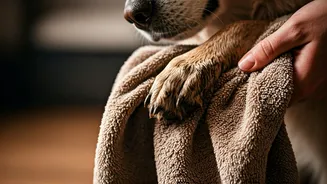
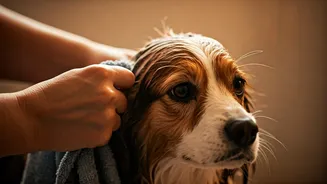
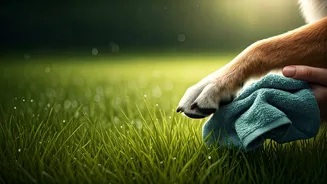
How you clean is just as important as what you use. When washing, use lukewarm water to help soften the mud. [1] Gently lather a small amount of dog-friendly shampoo and massage it into the paw, making sure to get between the pads where dirt and bacteria love to hide. [1, 7] This area is also where irritants like road salt or allergens can accumulate, potentially causing skin inflammation. [2, 6] Rinse thoroughly to ensure no soap residue is left behind, which can cause irritation. [1] The final, crucial step is to dry the paws completely with a towel. Damp paws not only track water through the house but can also create a moist environment that encourages fungal or bacterial growth. [2, 7]
Grooming Makes a Big Difference
Preventative grooming is a key, yet often overlooked, strategy in the war against mud. Keeping the fur around your dog's paws neatly trimmed gives mud and debris less to cling to. [3, 5] Excess hair between the paw pads acts like a sponge for dirt and moisture. [3] Similarly, regularly trimmed nails prevent mud from getting caked underneath. [1, 3] If you're not comfortable trimming the fur or nails yourself, a professional groomer can easily handle it. This regular maintenance not only helps keep your house cleaner but also allows you to regularly inspect your dog's paws for any cuts, thorns, or signs of irritation. [6]
When You Can't Wash, Consider Alternatives
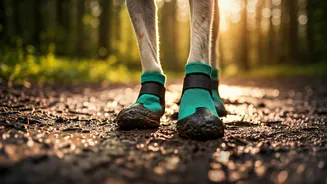
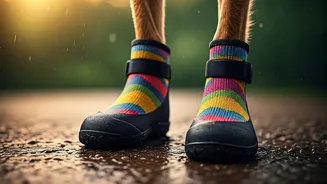
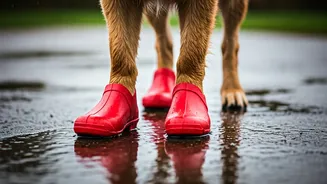
Sometimes a full wash isn't practical. On days with only light dust or for dogs who dislike having their feet handled, there are other options. Dog booties are highly effective at keeping paws completely clean and dry, though not all dogs will tolerate wearing them. [3, 8] Another option is a protective paw wax. [5, 18] Applied before a walk, these waxes create a semi-permeable barrier on the paw pads that helps repel water and prevent mud from sticking. [5] For dry mud, sometimes the best approach is to simply let it dry completely, then use a soft-bristled brush to flake most of it off before wiping with a damp cloth. [10]