



Embrace Pulses and Legumes
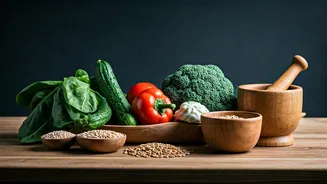
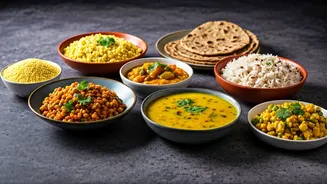
Dals, chanas, and rajma are the unsung heroes of the Indian kitchen. Not only are they incredibly affordable, but they are also packed with protein, fibre, and essential nutrients. Stock your pantry with a variety of pulses. Use them for classic dals,
sprout them for salads (like moong), or grind them into flour (like besan) for pancakes and cheelas. Cooking them in a pressure cooker saves time and fuel, further cutting costs. They form a filling, nutritious base for any meal, reducing the need for larger quantities of more expensive ingredients like meat or paneer.
Shop Seasonal and Local
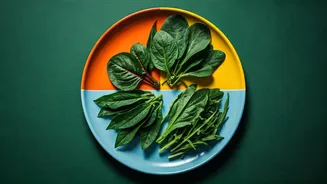
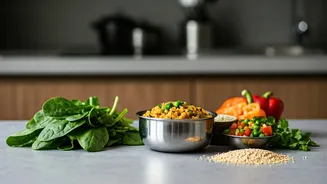
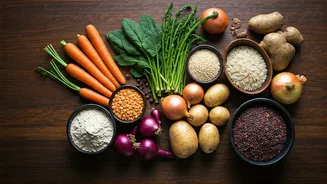
Forget about expensive, out-of-season produce. The secret to a budget-friendly grocery bill is to buy what's currently growing in your region. Visit your local sabzi mandi or farmers' market to find the freshest and cheapest vegetables and fruits. Seasonal produce not only costs less but is also at its peak in terms of flavour and nutritional value. In winter, stock up on leafy greens like palak and methi, carrots, and peas. In summer, enjoy gourds like lauki, bhindi, and cucumbers. This simple shift in shopping habits can drastically reduce your weekly food expenses.
Plan Your Meals, Win the Week
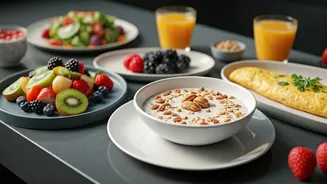
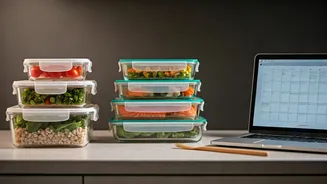
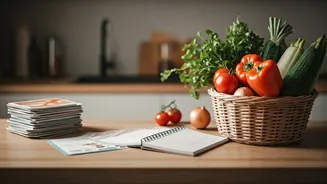
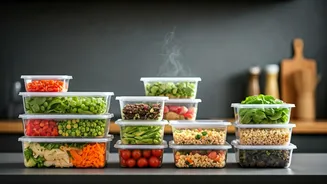
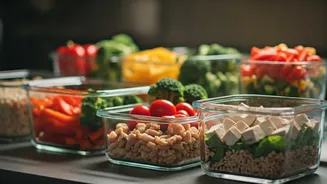
The single biggest drain on a food budget is impulse buying and last-minute takeaways. Combat this by dedicating 30 minutes each weekend to plan your meals for the week ahead. Decide what you’ll cook for breakfast, lunch, and dinner. Based on this plan, make a detailed shopping list. This ensures you only buy what you truly need, preventing food waste and avoiding the "what's for dinner?" panic that leads to ordering in. A simple weekly plan provides structure and eliminates daily decision fatigue, saving you both time and money.
Master the Art of Leftovers
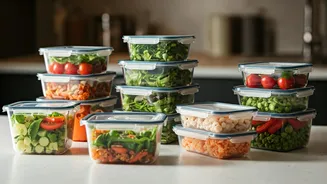
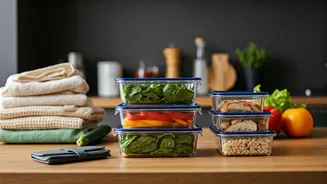
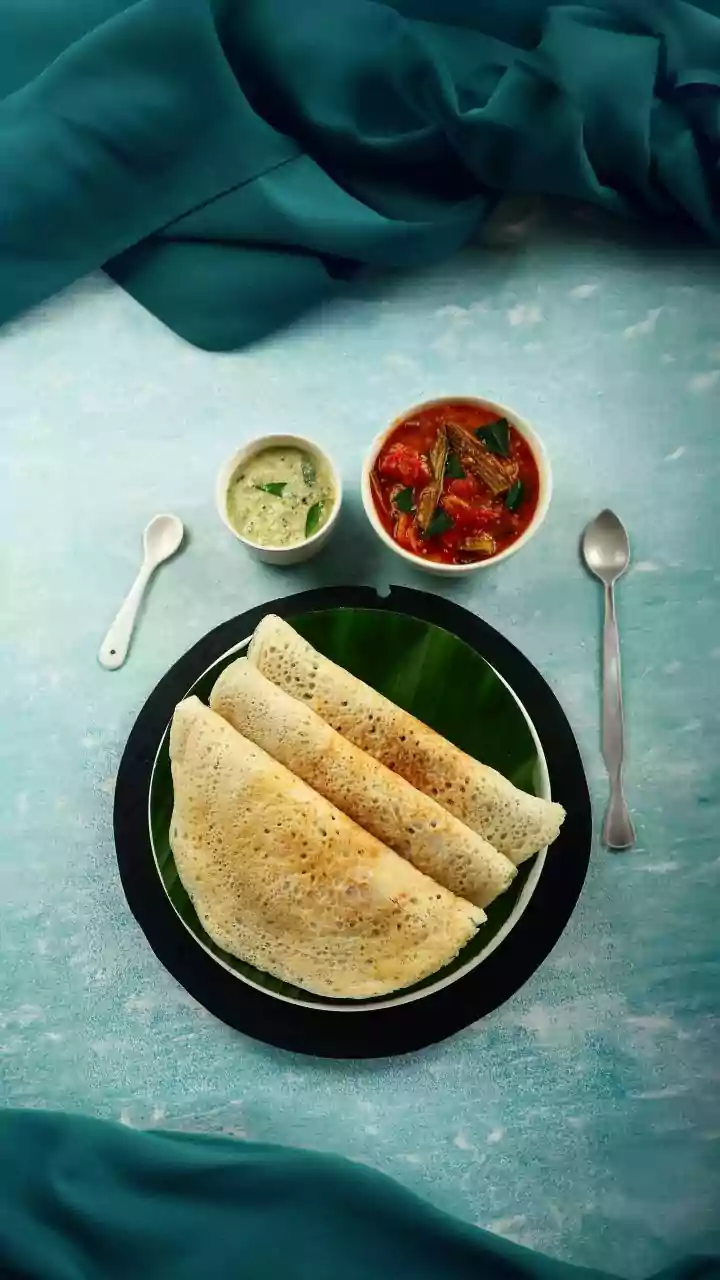
In an Indian household, leftovers are not waste; they are an opportunity. Yesterday's dal can be kneaded into atta to make flavourful, protein-rich parathas for breakfast. Extra cooked rice can be quickly transformed into a delicious lemon rice or vegetable fried rice for the next day's lunch. A cooked sabzi can be stuffed into sandwiches or used as a filling for a dosa. Thinking creatively about leftovers ensures you get maximum value from every meal you cook, stretching your budget and reducing your time in the kitchen.
Make Whole Grains Your Foundation
While refined flours and grains might seem cheap, whole grains like whole wheat atta, millets (jowar, bajra, ragi), and brown rice offer far more nutritional value for your money. They are rich in fibre, which keeps you feeling full for longer, helping to control portion sizes and reduce unnecessary snacking. Millets, in particular, are sustainable and affordable crops native to India. Swap white rice for brown rice or a millet-rice mix, and use ragi flour for rotis or dosas to boost the health quotient of your meals without breaking the bank.
Don't Throw Flavour Away
Stop buying expensive, pre-made ginger-garlic paste and spice mixes. These items are easy and much cheaper to make at home, and you can control the quality. Make a week's worth of ginger-garlic paste in minutes using a simple grinder. Toasting and grinding your own spices yields a fresher, more potent flavour. Furthermore, vegetable scraps like carrot tops, coriander stems, and cauliflower stalks can be used to make a nutritious homemade stock for soups and gravies. Your kitchen bin is often full of flavour you paid for.