
The Dawn of Non-Stop Travel
The year 2026 is becoming a landmark for Indian aviation, as airlines like Air India and IndiGo aggressively add non-stop international routes to their networks. This expansion targets key destinations in Europe, Asia, and North America, directly connecting
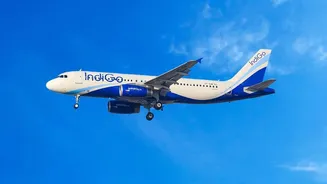
Indian cities with global centres. For instance, IndiGo has announced plans for direct flights to European cities including London and Copenhagen. Meanwhile, Air India is bolstering its services to North America and Europe, increasing frequencies to cities like Toronto and deploying modern aircraft on routes to London and Tokyo. These moves signal a significant change, chipping away at the long-standing travel pattern of flying via hubs in the Middle East or Southeast Asia.
A Direct Challenge to Gulf Hubs
For years, carriers based in Dubai, Doha, and Abu Dhabi have dominated international traffic from India, leveraging their geographical position to offer one-stop connections to almost anywhere in the world. This is often referred to as carrying 'sixth-freedom' traffic. However, the tide is turning. Indian airlines are now aiming to recapture this traffic. By offering direct flights to high-demand destinations, they provide a compelling alternative that saves travellers between four and eight hours per journey. This strategic pivot is not just about convenience; it is a direct challenge to the business model that has made Gulf hubs so successful, with the goal of making Delhi, Mumbai, and Bengaluru the new transit points.
Fuelled by a New Generation of Aircraft
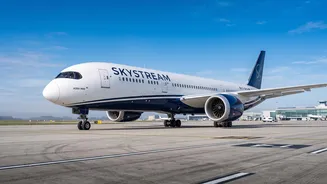
This international push is made possible by massive fleet expansion and modernisation. Both Air India and IndiGo have placed record-breaking aircraft orders. The arrival of new-generation, fuel-efficient jets is a game-changer. IndiGo is set to induct the Airbus A321XLR, a narrow-body plane with extended range perfect for opening up new routes to Europe. The airline has also leased wide-body Boeing 787 Dreamliners to begin long-haul operations sooner. Air India, under its new ownership, is retrofitting its existing wide-body fleet and taking delivery of new Airbus A350 and Boeing 787-9 aircraft. These planes make previously unviable long-distance, non-stop routes commercially feasible, allowing airlines to fly directly from India to far-flung destinations.
What It Means for Passengers
The most immediate benefit for travellers is saving time and avoiding the hassle of transit visas and long layovers. Beyond convenience, this shift introduces more competition, which can influence airfares. While direct flights often command a premium, the increased capacity on popular routes could put downward pressure on prices overall. Passengers will also experience improved service, as airlines are deploying aircraft with brand-new cabin interiors, including sought-after Premium Economy classes on more routes. However, this expansion is not without its challenges. Some airlines have had to make temporary adjustments to schedules due to operational constraints like airspace restrictions and fuel costs, highlighting the complexities of scaling up international operations.