




The Anti-Status Season
In an age of travel-as-performance, the pressure is to capture the flawless vista, the envy-inducing meal, the perfect shot for the 'gram. This pursuit of status turns destinations into backdrops and experiences into content. The Indian monsoon, however,
actively resists this. It’s a season defined by what it isn’t: predictable, pristine, or easily packaged for public consumption. The skies are a moody grey, not a sterile blue. The paths are muddy, the air is thick with the scent of wet earth (petrichor), and plans are gloriously, frustratingly subject to the whims of the weather. And in this resistance lies its profound appeal. It’s a forced detoxification from the need to perform. When you can’t guarantee a perfect sunset photo, you stop chasing it. Instead, you start noticing the tiny, iridescent beetle on a glistening leaf or the way mist snakes through a valley.
A Journey for the Senses
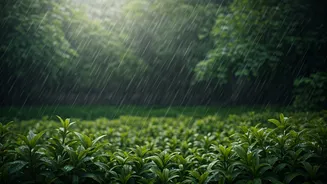
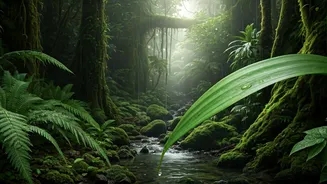
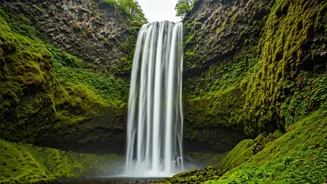
Monsoon travel is less about seeing and more about feeling. It is a full-body sensory immersion. It’s the constant, rhythmic drumming of rain on a tin roof, a sound so deeply comforting it feels like a lullaby. It’s the sudden chill in the air that makes a simple cup of masala chai feel like the most luxurious thing in the world. It’s the explosive green that carpets every inch of the landscape, from the rolling hills of the Western Ghats to the backwaters of Kerala—a shade of green so vibrant it almost hums with life. Status travel is visual and two-dimensional; a photo of a landmark looks the same on anyone’s feed. But the story of the monsoon is written in smells, sounds, and tastes. It’s the earthy aroma of roasting corn-on-the-cob from a roadside vendor, the steam rising to meet the drizzle. These are the details that form the bedrock of a real travel story, the kind you tell for years, long after the social media likes have faded.
Embracing the Plot Twist
Perfectly planned itineraries are the enemy of good stories. The best travel narratives are born from the unexpected, and the monsoon is a master of the plot twist. A sudden downpour might leave you stranded in a tiny village chai shop for hours, leading to a conversation with the owner that becomes the highlight of your trip. A minor landslide might block the main road, forcing you down a winding, scenic route you never would have discovered otherwise. These aren't travel failures; they are invitations. They force you to slow down, to be resourceful, and to connect with the people and places around you in a more meaningful way. A delayed train isn't an inconvenience; it's an opportunity to share pakoras with a family in your compartment and hear their story. This is the essence of travelling for stories: letting go of the illusion of control and allowing the journey to write itself.
Finding Connection in the Quiet
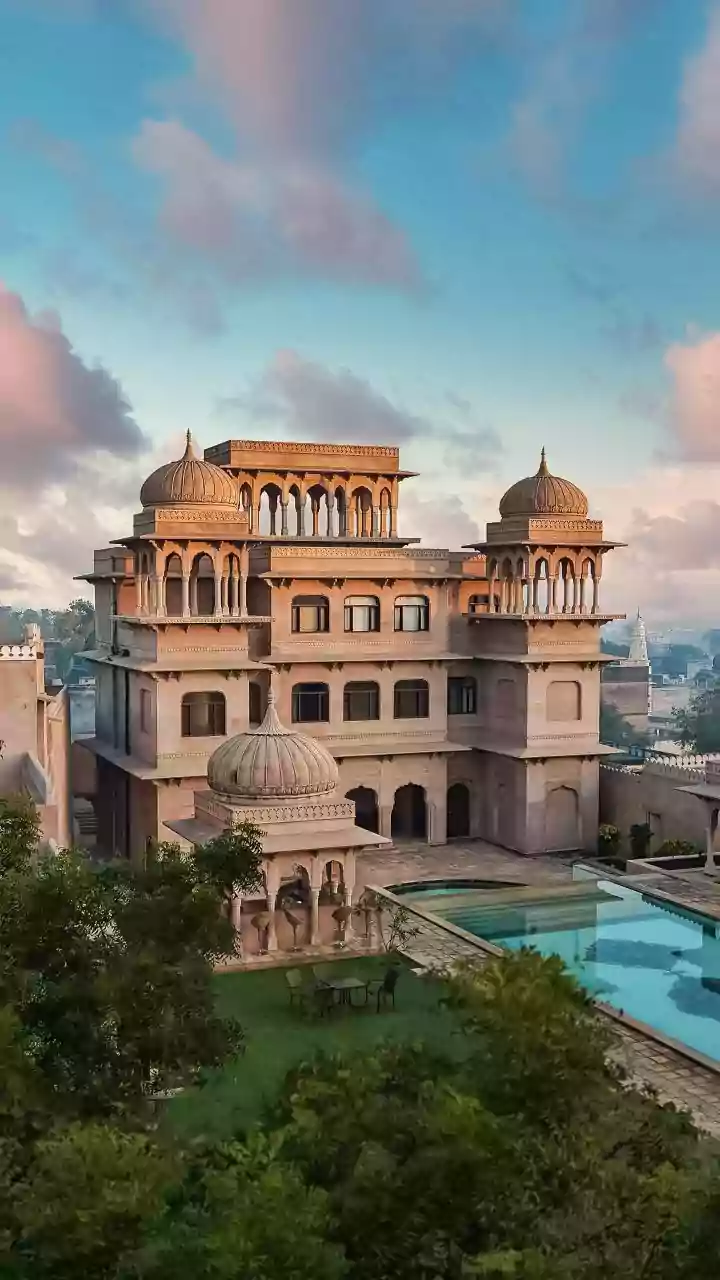
While peak season travel often means navigating crowds and queuing for attractions, the monsoon offers a different kind of luxury: solitude. Tourist hotspots are quieter, allowing for a more intimate and contemplative experience. You aren't just one of a thousand people taking the same photo of a fort; you are a solitary figure watching the clouds embrace its ancient walls. This quietness fosters a deeper connection—not just with the place, but with yourself. It’s a season for reading a book by a rain-streaked window, for long walks without a destination, for simply sitting and watching the world get a much-needed drink. The conversations you have are less transactional and more genuine. In the off-season, you cease to be just another tourist; you become a guest, a curiosity, a welcome presence in a town that is living its normal life.