





Decoding the ‘Gut-Safe’ Plate
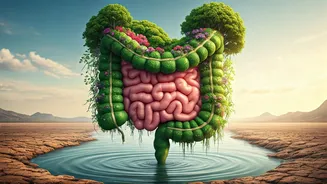
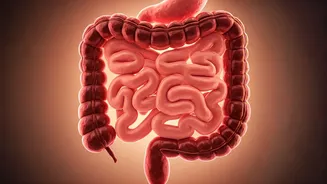
So, what exactly makes a plate ‘gut-safe’? It’s less about a strict diet and more about a mindful approach to eating that supports your microbiome—the trillions of bacteria living in your digestive tract. Think of it as cultivating a healthy internal
garden. A gut-friendly plate is rich in two key things: probiotics and prebiotics. Probiotics are the ‘good’ bacteria found in fermented foods like dahi (yogurt), kefir, kimchi, and kombucha. They help maintain a healthy balance in your gut ecosystem. Prebiotics are the food for these good bacteria. They are types of fibre found in foods like onions, garlic, bananas, oats, and legumes like lentils and chickpeas. A meal that includes these elements—say, a bowl of lentil soup or a dahi-based smoothie with banana—is actively working to keep your digestive system happy, reducing issues like bloating, indigestion, and inflammation.
The Mood-Food Connection
The phrase ‘gut feeling’ is more literal than you might think. The gut and brain are constantly communicating through a network known as the gut-brain axis. This is why stress can give you an upset stomach, and conversely, why what you eat can impact your mood. In fact, a staggering 90% of your body's serotonin—the ‘happy chemical’ that helps regulate mood, sleep, and appetite—is produced in the gut. When your gut microbiome is out of balance (a state called dysbiosis), it can negatively impact this production line, contributing to feelings of anxiety or low mood. On a dreary, rainy day when you’re naturally feeling a bit blue, reaching for foods that support your gut is like sending a direct message of support to your brain. This is the science behind the comfort: a well-fed gut can literally help lift your spirits, making it a far more effective mood-booster than a temporary sugar high from processed snacks.
From Niche Health to Mainstream Flex
Just a few years ago, terms like ‘kombucha’ and ‘microbiome’ were confined to niche wellness circles. Today, they’re mainstream. This shift hasn't happened in a vacuum. A growing body of research has made the benefits of gut health impossible to ignore, and wellness influencers have been quick to translate this science for their followers. On social media, a picture of a colourful salad bowl with fermented vegetables or a homemade sourdough bread is the new aspirational post. It signals not just wealth, but health, knowledge, and self-care. It’s a subtle flex that says, ‘I’m investing in my long-term well-being.’ In a world saturated with quick fixes, prioritising gut health is a conscious, long-term choice. It’s the opposite of mindless indulgence. It’s mindful nourishment, and showing that off has become the new benchmark for a modern, healthy lifestyle.
Building Your Own Rainy Day Plate
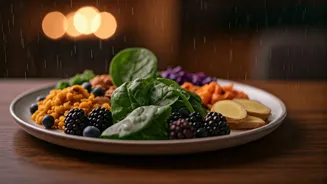
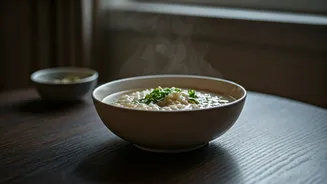
Making your next rainy day meal a gut-safe one doesn't require a complete pantry overhaul. It’s about making smart, simple swaps. Instead of a deep-fried snack, consider a warm bowl of khichdi, a classic Indian comfort food made with rice and lentils—a fantastic source of prebiotic fibre. Craving something creamy? A bowl of dahi topped with fruit and a sprinkle of flax seeds offers both probiotics and fibre. A hearty vegetable soup packed with garlic, onions, and various legumes can be incredibly soothing and nourishing. Even your morning chai can get a gut-friendly upgrade by adding spices like ginger and cardamom, which are known for their digestive benefits. The goal is to create a meal that feels both comforting and restorative, proving that you don’t have to sacrifice flavour or satisfaction to take care of your gut.