




The Antioxidant Brigade
Every day, your body is under attack from unstable molecules called free radicals, which can damage cells and have been linked to chronic diseases and aging. This process is called oxidative stress. Think of it as a form of biological rust. Fruits are
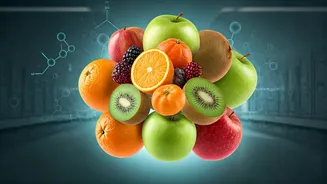
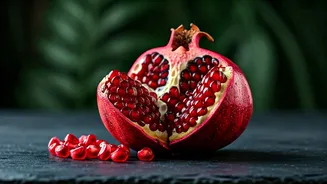
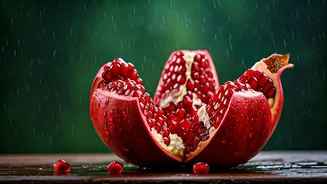
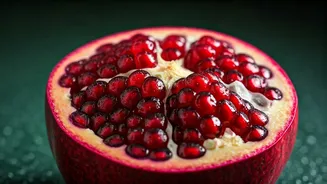
packed with compounds called antioxidants, which act like a cellular security force. These compounds, including familiar names like Vitamin C and E, as well as lesser-known ones like flavonoids and carotenoids, neutralize free radicals by donating electrons, stopping the damaging chain reaction before it can cause significant harm. Berries, grapes, and other brightly coloured fruits are particularly rich in these protective compounds.
Vitamin C: The Immune System's General
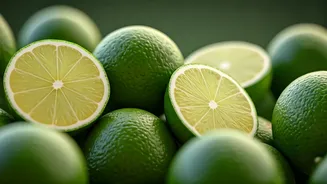
One of the most well-known benefits of fruit is its high Vitamin C content, and for good reason. This essential vitamin, which our bodies cannot produce on their own, plays a starring role in our immune defense. It encourages the production of white blood cells, specifically lymphocytes and phagocytes, which are the frontline soldiers that seek out and destroy invading pathogens like bacteria and viruses. Vitamin C also helps these immune cells function more effectively and protects them from damage. Found abundantly in citrus fruits, kiwis, and strawberries, a steady intake of Vitamin C helps keep your immune army ready for battle.
Fiber: The Gut's Guardian
The immune system isn't just about fighting off colds; a huge portion of it—an estimated 70-80% of immune cells—is located in the gut. This makes gut health critically important for overall immunity. Fruits are a fantastic source of dietary fiber, which acts as a prebiotic. This means it feeds the trillions of beneficial bacteria living in your digestive system. A healthy and diverse gut microbiome helps maintain the integrity of the gut lining, a crucial barrier that prevents harmful substances from entering the bloodstream. When these good bacteria thrive on fiber, they produce compounds that can reduce inflammation and support immune function.
The Power of Color: Phytonutrients
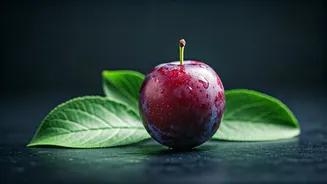
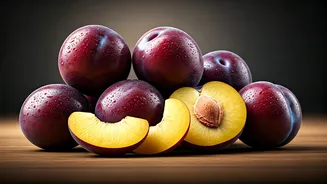
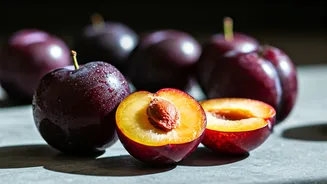
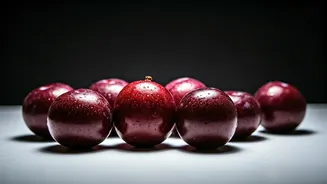
Have you ever noticed the vibrant rainbow of colors in the fruit aisle? Those colors aren't just for show. They signify the presence of thousands of different phytonutrients—natural compounds that plants produce to protect themselves. When we eat these plants, we get the benefits, too. Lycopene, which gives watermelon its red hue, is a powerful antioxidant. Anthocyanins, found in blue and purple fruits like blueberries and plums, are linked to brain and heart health. Carotenoids, responsible for the orange and yellow in mangoes and apricots, can be converted by the body into Vitamin A, which is vital for immune function and vision. Eating a variety of colorful fruits ensures you’re getting a wide range of these protective phytonutrients.
Beyond Immunity: Long-Term Defense
The defensive capabilities of fruit extend far beyond fending off seasonal bugs. A diet rich in fruits is consistently linked with a lower risk of major chronic diseases. The combined action of antioxidants, fiber, and phytonutrients helps protect against conditions like heart disease, stroke, and certain types of cancer. For example, the fiber and compounds in fruit can help lower blood pressure and prevent harmful cholesterol from damaging blood vessels. By reducing chronic inflammation and cellular damage over time, a consistent intake of ordinary fruits builds a robust, long-term defense system that promotes healthy aging and overall well-being.