


The Allure of Natural Textures
In a world saturated with sleek, mass-produced goods, there's a collective yearning for authenticity and a connection to nature. This is where rattan shines. Its handwoven texture brings an organic, earthy element indoors, offering a gentle counterpoint
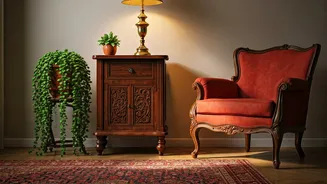
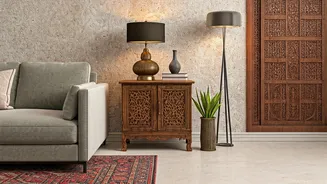
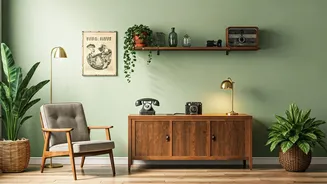
to minimalist or contemporary interiors. Homeowners are increasingly moving away from purely functional, artificial designs toward decor that feels calming and clutter-free. The golden-brown hue of natural rattan adds instant warmth, pairing beautifully with indoor plants, wooden furniture, and soft textiles like cotton and linen. This shift towards biophilic design—incorporating natural materials and textures to create a serene environment—is a key driver behind rattan's resurgence. It’s less about a fleeting trend and more about a conscious choice to create spaces that feel grounded and welcoming.
More Than Just Pretty Storage
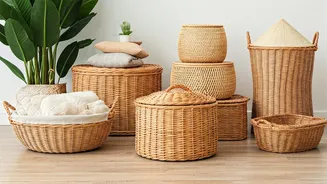
While excellent for decluttering, the modern appeal of rattan baskets lies in their incredible versatility. They are no longer just for laundry or storing blankets. Today, you'll find them creatively used as chic planters for indoor greenery, stylish holders for magazines and throws next to a sofa, or even as a base for a small coffee table. In the kitchen, they serve as beautiful, breathable containers for fruits and vegetables on the countertop. Smaller baskets are perfect for organising shelves and cabinets, while larger ones make a statement at the foot of a bed or in an empty corner. Designers are even mounting them on walls in curated arrangements, turning simple storage items into captivating art installations.
A Mindful, Sustainable Choice
The growing popularity of rattan is deeply connected to a rising consciousness around sustainability. Rattan is a fast-growing, renewable palm that is harvested by hand, supporting sustainable forestry practices. Choosing items made from rattan, bamboo, or cane is a way for consumers to make an eco-friendly choice without sacrificing style. This trend reflects a broader shift away from "fast decor" towards investing in pieces that are durable, ethically made, and kind to the planet. By opting for handcrafted rattan, homeowners are also supporting a legacy of artisanship, often providing livelihoods to artisan families who have passed down weaving techniques for generations.
A Modern Nod to Indian Tradition
Woven furniture and accessories are not new to India. Cane (often used interchangeably with rattan) has been a part of Indian households for decades, evoking a sense of nostalgia for verandas and relaxed summer afternoons. Today's trend is a modern revival of this heritage. Designers are reinterpreting traditional forms for contemporary urban living, blending the timeless craft with modern aesthetics. The material is particularly well-suited to the Indian climate; its woven nature is breathable and doesn't trap heat, making it a practical and stylish choice for homes across the country. This blend of cultural familiarity, functional benefits, and modern design is what makes the trend so powerful and resonant.
How to Weave Them into Your Home
Incorporating rattan baskets is simple. For a bohemian look, mix and match baskets of different sizes and weaves. Use them to hold plants, textiles, and books. In a minimalist space, a single large, structured basket can serve as a sculptural storage element. They work well in bedrooms for storing extra cushions or as a chic laundry hamper. In the living room, a sturdy, flat-topped basket can even double as a small side table. Don't be afraid to use them in unexpected ways, such as organising toiletries in the bathroom or as a catch-all tray in your entryway. Their neutral tone allows them to blend seamlessly into almost any colour scheme, adding texture without overwhelming the space.