


Not Your Everyday Pickle
First, it's crucial to understand that not all pickles are created equal. Most of the pickles you find on a regular supermarket shelf are made using vinegar. This method, known as vinegar pickling, creates the sharp, tangy flavour we know and love, but
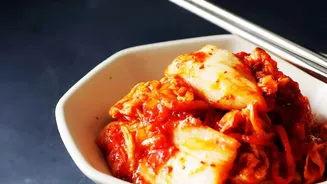
the vinegar and subsequent heat treatment (pasteurisation) kill off all bacteria, including the good kind. Fermented pickles, however, are made using a more traditional process called lacto-fermentation. Cucumbers are submerged in a salt and water brine, where naturally occurring beneficial bacteria get to work, converting sugars into lactic acid. This process preserves the pickle and creates a complex, less sharp flavour while also cultivating a host of beneficial microorganisms.
The Probiotic Powerhouse
The main reason fermented pickles are having a moment is due to one word: probiotics. These are the live, beneficial bacteria that are celebrated for their role in gut health. A healthy gut microbiome—the community of trillions of microbes living in your digestive tract—is essential for everything from digestion and nutrient absorption to immune function and even mood regulation. Because they are not pasteurised, fermented pickles are a natural, whole-food source of these valuable probiotics, helping to increase the diversity of your gut flora. Research shows that a diverse microbiome is linked to lower inflammation and a reduced risk of chronic disease.
More Than Just Gut Health
While probiotics steal the spotlight, the benefits don't stop there. The fermentation process can actually enhance the nutritional profile of the original cucumber. Fermented pickles are a good source of vitamins like K and A, as well as minerals like potassium. The process also produces antioxidants like flavonoids and phenols, which help protect the body's cells from damage. Some studies even suggest that the live cultures in fermented foods can boost the immune system and improve the skin by modulating immune responses. Furthermore, the bacteria pre-digest some of the food, which can make it easier for your body to absorb all the available nutrients.
A Return to Tradition
The renewed buzz around fermented pickles is part of a larger global wellness trend that emphasises gut health and a return to natural, unprocessed foods. In India, however, this is less of a new trend and more of a rediscovery of ancient wisdom. Traditional Indian pickles, or 'achaar', have long been made using fermentation methods. Staples like mango, lemon, and gooseberry pickles have been prepared for generations using salt, spices, and sunlight to encourage natural fermentation, preserving the food and its nutrients. This modern wellness conversation is, in many ways, just catching up with the science behind what Indian grandmothers have known all along.
How to Find the Real Deal
If you're looking to reap the probiotic benefits, you need to be a discerning shopper. True fermented pickles are living foods and therefore require refrigeration. You will typically find them in the refrigerated section of the grocery store, not on the regular shelves. Check the label for key phrases like "unpasteurised," "raw," "naturally fermented," or "contains live cultures." Vinegar will not be a primary ingredient; the ingredients list should be simple, featuring cucumbers, water, salt, and spices like dill and garlic. Enjoy them as a snack, add them to salads, or use them as a side dish to add a tangy, gut-friendly boost to your meals.