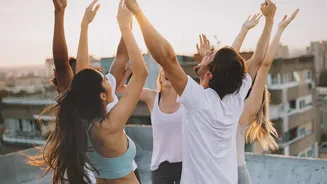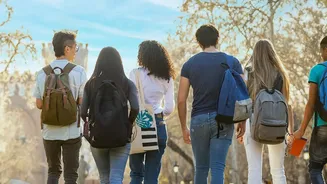





In cities buzzing with activity, a quieter, simpler trend is taking hold. Young adults are rediscovering the power of walking, not just as exercise, but as a vital form of social connection, creating a powerful antidote to digital-age isolation.
More Than Just Steps
Forget
grueling gym sessions and expensive boutique fitness classes. For a growing number of young adults, the most appealing workout is also the most ancient: walking. But this isn't about solitary strolls with headphones. This is the rise of the social walking club, a phenomenon where people gather to explore their cities and countryside on foot. Groups promoted on social media platforms like TikTok and Instagram are attracting hundreds of participants for weekend hikes and urban explorations. This trend reframes exercise not just as a personal health goal, but as a shared experience—a low-pressure way to meet people and build friendships. The emphasis is less on pace and performance and more on conversation and connection.
An Antidote to Loneliness
Beneath the surface of this trend is a deeper social need. Many young people, despite being hyper-connected online, report feelings of loneliness and isolation. Walking groups offer a simple, effective solution. They provide a 'third place'—a social hub outside of home and work—where genuine connections can form. The act of walking side-by-side encourages easy conversation, helping to break down the social anxiety that can be common in more structured settings. For many, these groups are becoming safe and essential spaces to socialize, with some participants forming deep friendships, becoming roommates, and even planning trips together. Physical activity combined with positive social interaction has been shown to improve mood and ward off depression.
Accessible and Inclusive Fitness
A major driver of the walking group trend is its accessibility. Unlike running clubs that may feel intimidating to beginners, or gyms that require costly memberships, walking is free, low-impact, and requires no special equipment or extraordinary skill. This low barrier to entry makes it easy for people of all fitness levels to join and feel comfortable. The focus is on participation, not competition. Research shows that walking is a popular exercise choice across all age groups, making it a truly universal activity. This inclusivity stands in stark contrast to the often exclusive and performance-driven nature of other fitness communities, offering a welcoming alternative for those who simply want to move their bodies and connect with others.
A Boost for Mental Wellbeing
The benefits of this trend extend far beyond physical fitness and social calendars. Walking is a well documented tool for improving mental health. It increases blood flow to the brain, which can help calm the nervous system and reduce stress and anxiety. When combined with social interaction, these effects are amplified. Furthermore, walking outdoors connects people with nature, which in itself is a powerful antidote to stress. For many Gen Z and Millennial participants, fitness is holistically linked to mental wellbeing. They are actively seeking out activities that reduce stress and provide mental clarity, and walking groups perfectly fit this need by combining gentle exercise, community, and time outdoors.
Finding Your Stride
Joining the movement is often as simple as a quick online search. Platforms like Meetup and Facebook are popular hubs where new and established walking groups announce their events. Many local communities, park districts, and even organizations like the American Heart Association also support or list walking clubs. A search for your city's name plus 'walking club' or 'hiking group' on social media can often reveal informal groups that meet regularly. The key is the social contract; knowing others are expecting you is a powerful motivator to stay consistent. Whether you find an existing group or decide to start one with a few friends, the process is about taking that first step toward a healthier and more connected lifestyle.