








The Safety We All See
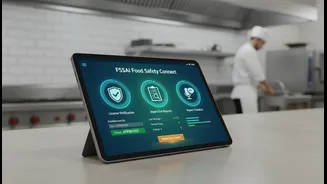
For most consumers, grocery safety is simple: is the food fit to eat? This is the baseline, governed by the Food Safety and Standards Authority of India (FSSAI). Regulations require quick-commerce platforms to ensure products are unadulterated, properly
labelled, and stored at the right temperature. Recent inspections of 'dark stores'—the small warehouses that power rapid delivery—have shown that even these basics can be a challenge, with regulators flagging issues from poor hygiene to operating without proper licences. Platforms are responsible for the entire supply chain, and FSSAI rules mandate that food products must have a significant portion of their shelf life remaining upon delivery. While crucial, these checks on spoilage, expiry, and storage are merely the ticket to play, not the endgame. True long-term success and brand trust are built on a much broader definition of safety.
The Human Cost of Convenience
The most glaring and immediate safety issue beyond the product itself involves the people who make quick commerce possible: the delivery riders. The promise of ultra-fast delivery has often translated into immense pressure on gig workers to speed through congested city traffic, leading to a higher risk of accidents. This issue became so prominent that in early 2026, the Indian government intervened, asking platforms to drop the '10-minute delivery' marketing promise to reduce the pressure on riders. While companies state that there are no penalties for delayed deliveries, the algorithmic management and incentive structures can still implicitly encourage risky behaviour. A genuine opportunity lies in shifting the focus from mere speed to rider well-being. This includes providing proper safety gear, comprehensive insurance, fair pay structures that don't incentivize haste, and realistic delivery targets. Protecting riders isn't just an ethical imperative; it's a strategic move to build a sustainable and resilient workforce.
From Dark Stores to Digital Fortresses
Safety also extends to the operational backbone of quick commerce: its dark stores and its digital infrastructure. Physically, these micro-fulfilment centres must be safe workplaces. This goes beyond basic hygiene to include fire safety, proper ergonomic conditions for workers lifting and packing goods, and adherence to local zoning laws, as many stores operate in dense residential areas. Digitally, the safety challenge is just as critical. Quick-commerce apps collect a treasure trove of personal data, including home addresses, payment details, and purchasing habits. Under India's Digital Personal Data Protection Act, platforms have a legal obligation to protect this information. A data breach can be just as damaging to consumer trust as selling expired food. The real opportunity is for companies to become custodians of customer data, using it responsibly to enhance service without compromising privacy, thereby building a foundation of digital trust that competitors find hard to replicate.
Building a Truly Safe Supply Chain
A holistic approach to safety means looking at the entire journey of a product, from its origin to the customer's doorstep. This involves what can be called 'ethical sourcing' and 'supply chain integrity.' It means partnering with suppliers who adhere to safe and ethical labour practices. It means ensuring the vegetables are not just fresh but were also grown using safe agricultural methods. While FSSAI regulations provide a floor, market leaders can differentiate themselves by building a transparent supply chain that gives consumers confidence not just in the end product, but in the entire process behind it. This creates a powerful brand story rooted in responsibility and quality, transforming safety from a compliance checkbox into a core part of the company's value proposition. It reassures customers that their purchase supports a system that values safety at every single step.