



The Man Behind the Mission
Dr. Devi Shetty is not just a celebrated cardiac surgeon; he's an innovator who has spent decades working to solve India's healthcare affordability crisis. As the founder of Narayana Health, he has been a vocal advocate for the idea that quality healthcare should
not be a luxury. Often called the 'Henry Ford of heart surgery', his mission is to apply industrial principles to medicine, proving that high quality and low cost can coexist. His work, which includes pioneering micro-insurance schemes for farmers and performing tens of thousands of surgeries, is driven by a simple belief: India can be the first country to dissociate healthcare from affluence.
The 'Walmart' Model for Hospitals
The core of Dr. Shetty's forecast lies in a powerful concept: economies of scale. Much like a retail giant can lower prices by buying in bulk, Narayana Health hospitals perform a very high volume of surgeries. This 'assembly line' approach increases efficiency, allowing surgeons to specialise and perfect their skills through repetition. It also provides immense bargaining power when purchasing expensive equipment and consumables, driving down the unit cost of each procedure. By running operating theatres for longer hours and optimising every step of the patient journey, from admission to discharge, the system wrings out inefficiencies that typically inflate hospital bills.
A Forecast Driven by Technology
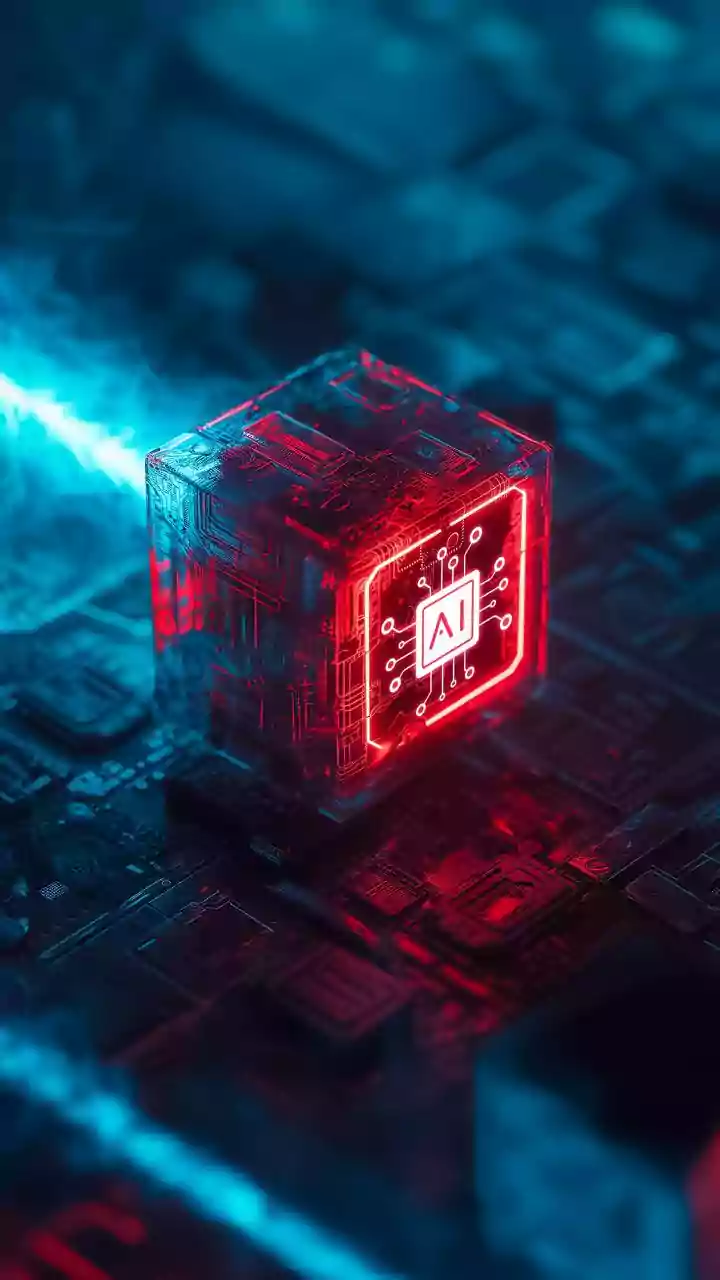
Looking ahead, Dr. Shetty forecasts that technology will be the single biggest driver of cost reduction. In recent statements, he has predicted that artificial intelligence (AI), robotics, and better workflow management could slash healthcare costs by 40-50% within the next five to seven years. AI is not seen as a replacement for doctors, but as a tool to make them more productive and safer. For instance, an AI can help a specialist diagnose conditions for a far larger number of patients. Telemedicine further breaks down geographical barriers, connecting patients in remote areas with top specialists at a fraction of the cost of travel. This digital transformation is central to his vision of the future.
Rethinking Health Insurance
A key part of making treatments affordable is ensuring people have a way to pay for them. Dr. Shetty has been a longtime proponent of innovative insurance models. He designed the Yeshasvini scheme, which provided surgical cover to millions of farmers for a tiny monthly premium. His current forecast includes a major role for universal health insurance. He has argued that if hospitals themselves become insurance providers, the conflict between insurers wanting to pay less and hospitals wanting to charge more disappears. This aligns incentives, as the hospital's goal shifts to keeping patients healthy and costs low. He also advocates for tax-free health savings accounts to help the 'missing middle class'—those not poor enough for government schemes but not wealthy enough to afford high premiums.
The Five-Year Horizon
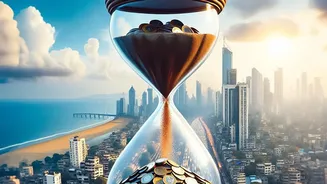
Dr. Shetty's forecast is ambitious but time-bound. He has repeatedly stated that India can separate healthcare from wealth within the next five to ten years. This prediction hinges on several factors coming together: a dramatic increase in the number of trained doctors and nurses, the widespread adoption of digital health platforms, and the growth of affordable insurance schemes. While challenges like infrastructure and regulatory hurdles remain, the forecast presents a clear roadmap. It suggests a future where an EMI-based insurance premium can give a family access to high-quality care, fundamentally changing the economic burden of illness for hundreds of millions of people.