


What Does ‘Fibre-First’ Mean?
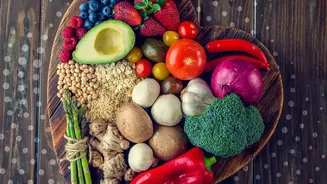
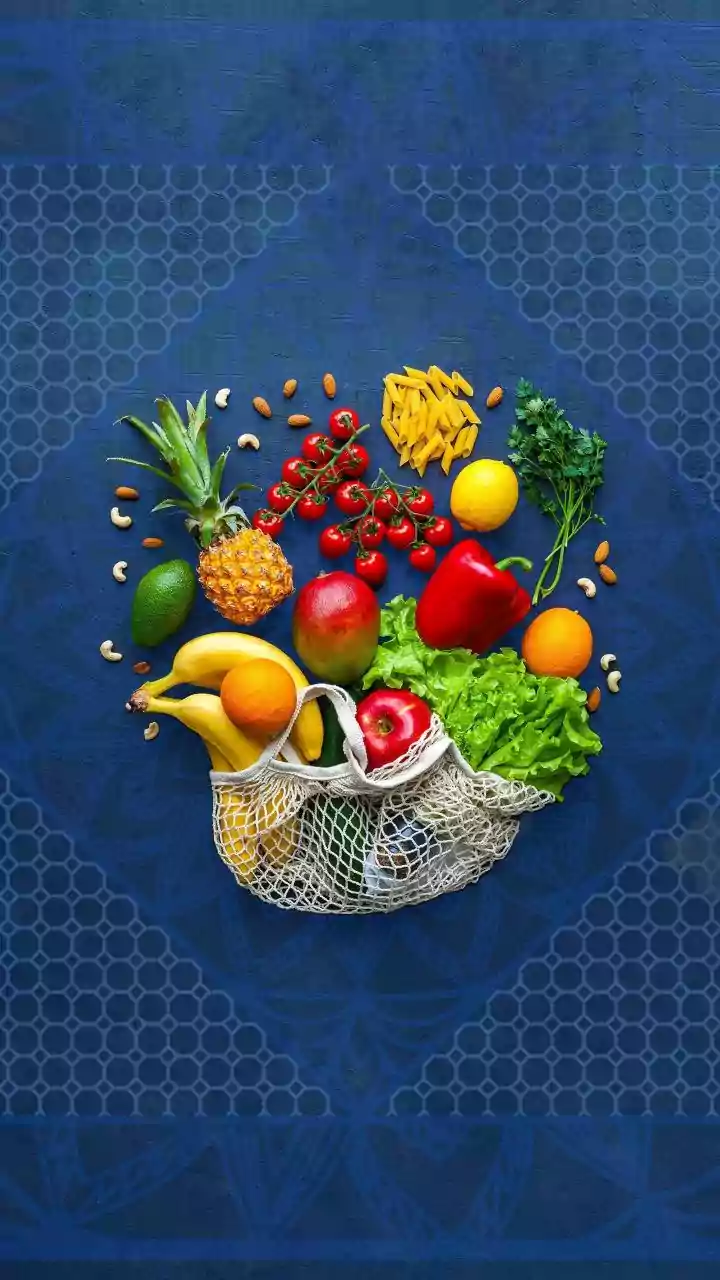
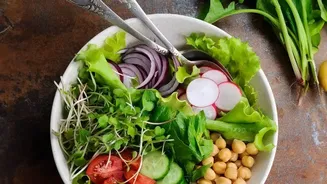
The 'fibre-first' approach isn't a restrictive diet but a simple prioritisation strategy. It means building your meals around fibre-rich whole foods like vegetables, fruits, whole grains, and legumes. The goal isn't necessarily to eat fibre as the first food in a sequence,
but to make it the foundation of your plate. After years where protein and low-carb diets dominated, the focus is shifting to this foundational nutrient, recognising that most people don't get nearly enough. The average adult in many countries consumes less than half the recommended 25-38 grams per day. This movement is about correcting that imbalance by consciously choosing less-processed foods in their natural, high-fibre state.
The Science of Feeling Good
So, why the sudden hype? The benefits of fibre are extensive and well-documented. There are two main types, soluble and insoluble, and both are crucial for health. Soluble fibre, found in oats, beans, and apples, dissolves in water to form a gel. This process slows digestion, which helps stabilise blood sugar levels and can lower 'bad' LDL cholesterol. Insoluble fibre, found in whole grains and vegetables, doesn't dissolve. Instead, it adds bulk to stool, promoting regularity and preventing constipation. Think of it as a 'scrub brush' for your intestines, helping to clean out bacteria and buildup. Together, they contribute to a feeling of fullness, which can aid in maintaining a healthy weight.
More Than Just Digestion
The biggest reason fibre is the wellness star of 2026 is our growing understanding of the gut microbiome. This complex ecosystem of trillions of bacteria in your digestive tract influences everything from immunity to mood. Dietary fibre is the primary food source for these beneficial microbes. When you eat a fibre-rich diet, you are essentially fertilising your internal garden, promoting a diverse and healthy microbiome. These well-fed bacteria produce short-chain fatty acids, which have powerful anti-inflammatory effects and support overall metabolic health. A healthy gut has been linked to a lower risk of chronic conditions like heart disease and type 2 diabetes.
Your Fibre-Friendly Indian Kitchen
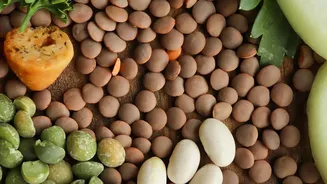
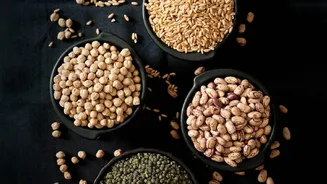
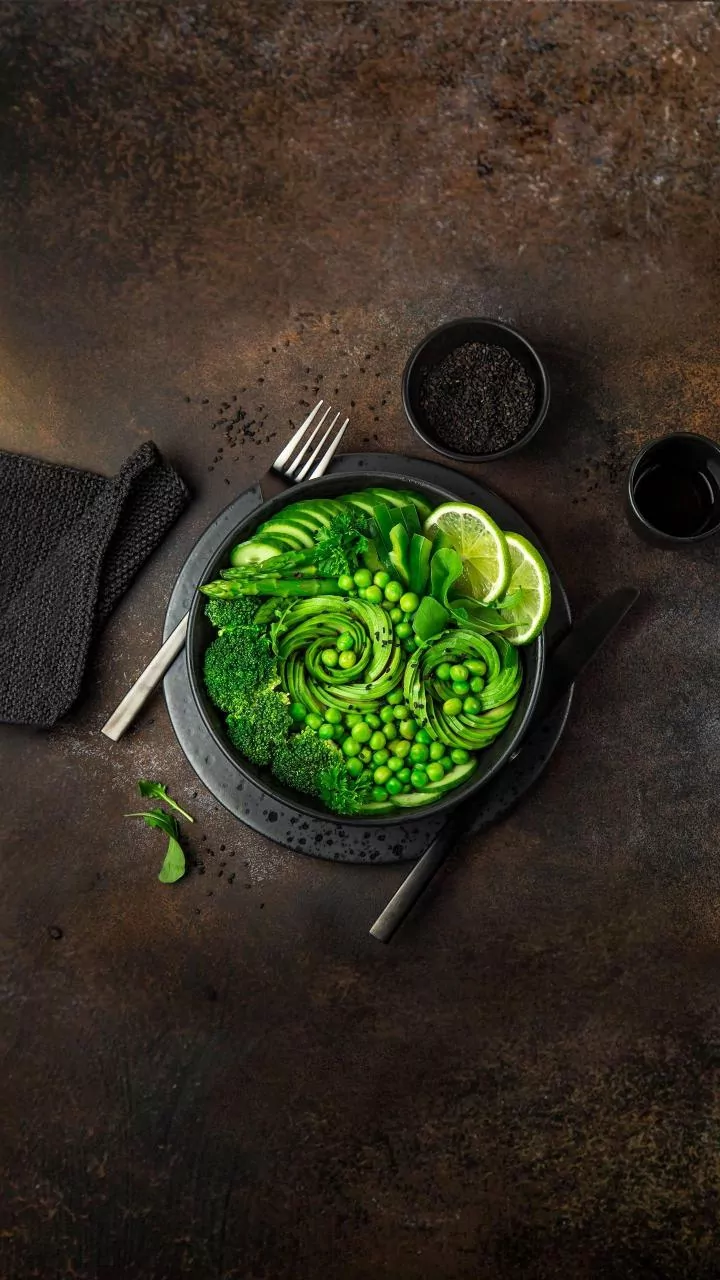
The great news for Indian households is that a high-fibre diet doesn't require expensive, imported superfoods. Our traditional cuisine is already packed with fibre powerhouses. Lentils (dals), chickpeas (chana), and kidney beans (rajma) are loaded with both fibre and protein. Millets like ragi, jowar, and bajra are fantastic whole grains that have been staples for centuries. Many common vegetables, including okra (bhindi), carrots, green peas (matar), and gourds, are excellent sources. Fruits like guava, bananas, and papaya also contribute significantly. The key is to favour these whole foods over more processed alternatives.
Simple Swaps for a High-Fibre Day
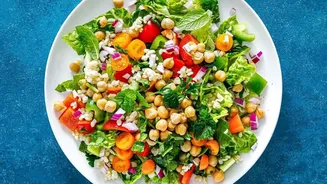
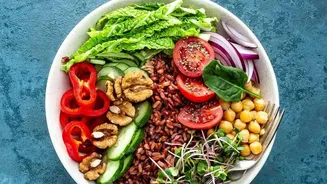
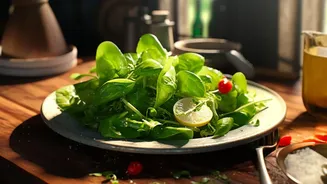
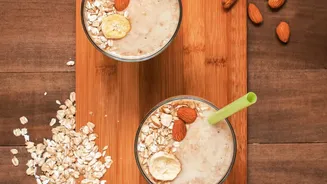
Increasing your fibre intake doesn't require a complete dietary overhaul. Small, consistent changes are the most effective. Start by swapping refined grains for whole ones—choose whole wheat atta over maida, or brown rice instead of polished white rice. Add a generous portion of vegetables or a kachumber salad to every main meal. Snack on a handful of nuts, roasted chana, or a piece of whole fruit instead of packaged snacks. Incorporating seeds like flax or chia into your dahi, smoothies, or oatmeal is another easy win. Remember to increase your intake gradually and drink plenty of water to help the fibre do its job effectively.