






Moong Dal Khichdi
Considered a top monsoon meal in Ayurveda, khichdi is the ultimate comfort food. Made from rice and moong dal, it is exceptionally easy to digest, which is crucial as the humid weather can slow down our digestive fire. This one-pot meal provides a balanced
mix of carbohydrates and protein. Seasoned with turmeric and ginger, it also offers anti-inflammatory benefits, making it a gentle, nourishing, and warming choice for a rainy evening.
Warm Vegetable Soup
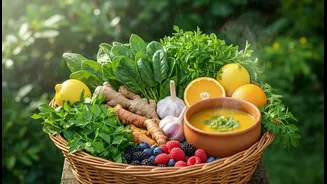
A steaming bowl of soup is a perfect antidote to a chilly, wet day. Opting for soups made from seasonal vegetables like bottle gourd (lauki), pumpkin, or carrots provides essential vitamins and minerals. A simple tomato soup, for instance, is not just comforting but also rich in nutrients. Adding spices like ginger, black pepper, and cumin can help improve digestion and provide warmth to the body, helping to ward off seasonal colds.
Roasted Corn (Bhutta)
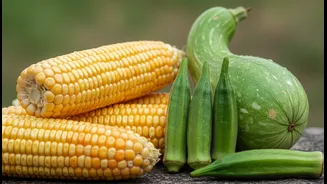
The sight and smell of roasted corn on the cob is synonymous with the Indian monsoon. Compared to fried snacks, bhutta is a much healthier option. It is rich in fibre, which aids digestion, and contains antioxidants that help protect the body. The simple act of roasting it over a flame and seasoning with lime and salt makes it a delicious and satisfying snack that provides energy without the guilt of deep-fried foods.
Masala Chai
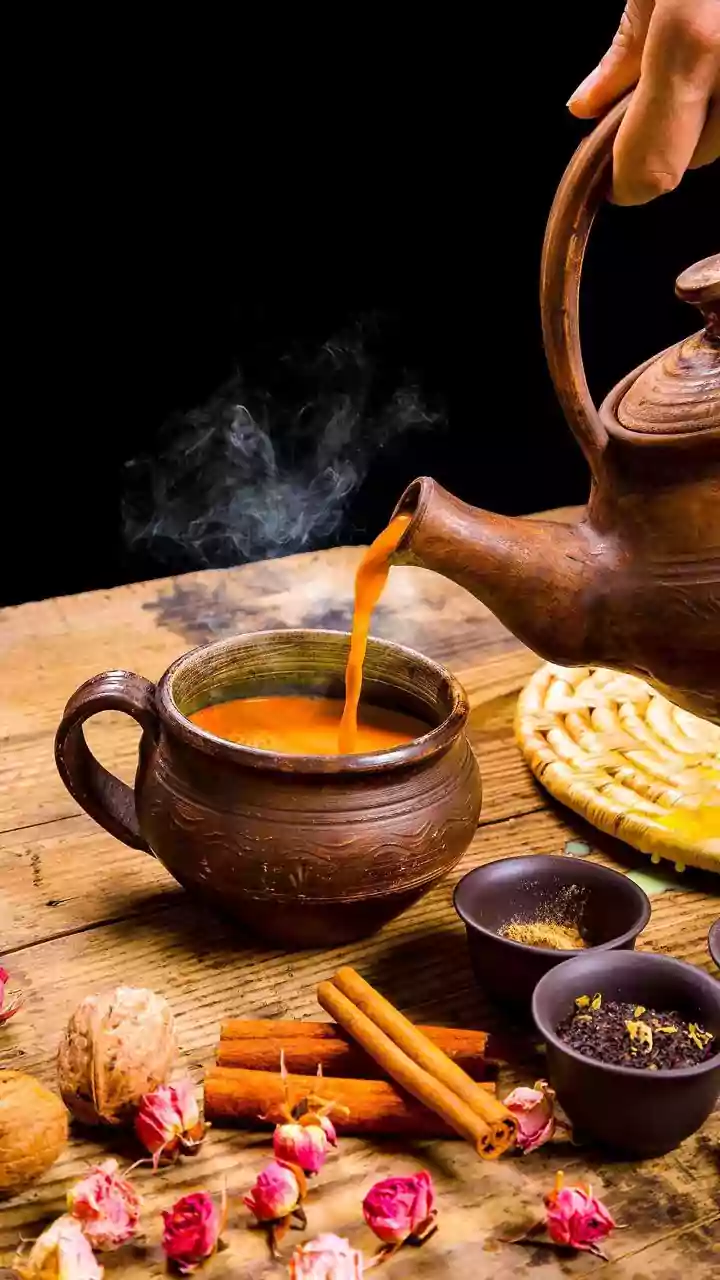
No monsoon food list is complete without masala chai. This beverage is more than just a warm drink; it's a potent mix of healthful spices. Ginger, cardamom, cloves, and cinnamon are known for their antibacterial and anti-inflammatory properties. These spices can help boost immunity, aid digestion, and soothe a sore throat, making a cup of masala chai both a comforting ritual and a wellness booster.
Turmeric Milk (Haldi Doodh)
This traditional 'golden milk' is a powerful immunity booster, especially needed during the rains when infections are common. Turmeric's active compound, curcumin, has potent anti-inflammatory and antibacterial properties. A warm glass of haldi doodh, especially before bed, can help fight off colds and coughs, soothe sore throats, and even aid digestion. Adding a pinch of black pepper significantly increases the absorption of curcumin.
Steamed Snacks (Dhokla/Idli)
Instead of reaching for oily, fried pakoras, consider their steamed cousins. Gujarati dhokla, made from fermented chickpea flour, is light, protein-rich, and easy on the stomach. Similarly, South Indian idlis are steamed and easily digestible. These snacks provide comfort without burdening the digestive system, which is often weaker during the monsoon. They are a perfect, guilt-free choice for a rainy day.
Moong Dal Soup
A light yet incredibly nourishing option is a simple moong dal soup. Yellow moong dal is prized in Ayurveda for being the lightest of all lentils and easy to digest, which prevents bloating. This high-protein soup helps you feel full and provides sustained energy. Seasoned with cumin and turmeric, it supports digestion and immunity, making it an ideal light meal for dinner.
Seasonal Fruits (Pomegranate and Apple)
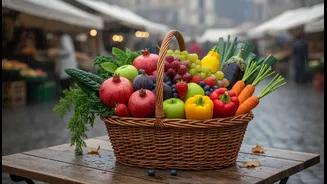
While many raw foods should be approached with caution during monsoon, certain seasonal fruits are highly beneficial. Pomegranates and apples are excellent choices. Pomegranates have antiviral properties, while apples are rich in dietary fibre. It's important to wash all fruits thoroughly. These fruits provide essential vitamins and antioxidants that help strengthen your immune system against seasonal ailments.
Spiced Nuts and Seeds
A small handful of nuts and seeds like almonds, walnuts, and pumpkin seeds can be a great addition to your monsoon diet. Almonds are a good source of Vitamin E, which supports immune function, while pumpkin seeds provide zinc, a mineral crucial for fighting infections. Lightly roasting them with a pinch of salt and pepper makes for a crunchy, satisfying snack that is far more nutritious than packaged alternatives.
Ginger and Garlic in Cooking
While not a standalone dish, the increased use of ginger and garlic in your everyday meals is a smart monsoon strategy. Both are renowned for their potent antibacterial and antiviral properties. Ginger aids digestion and can soothe a sore throat, while garlic is known to boost the immune system's ability to fight germs. Incorporating them generously into your dals, sabzis, and soups is an easy way to fortify your body.