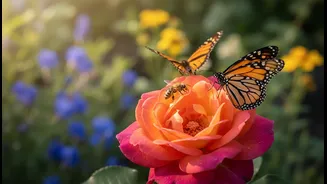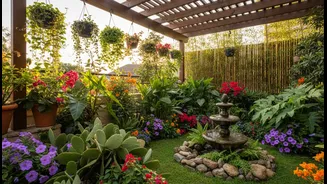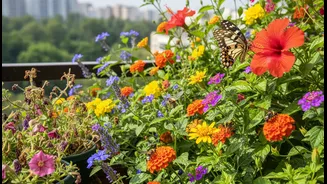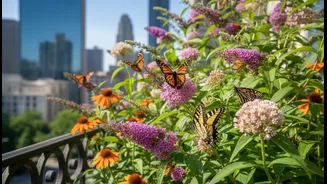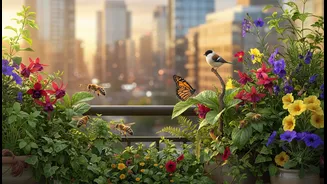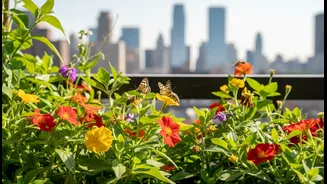




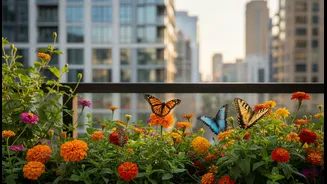
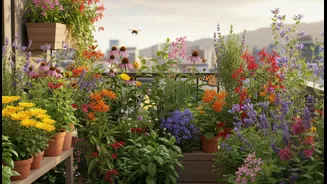
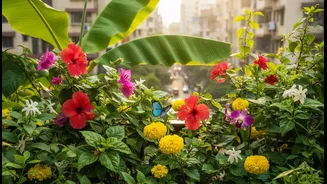


What is a Mini Nature Corridor?
Imagine a bird flying over a city, looking for its next meal. It sees a park, but between here and there is a vast expanse of buildings and roads. This is habitat fragmentation, and it's a major challenge for urban wildlife. A nature corridor is a path
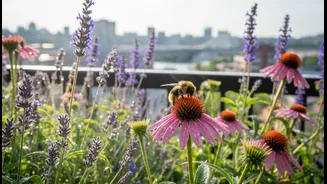
that connects these isolated green patches. While large-scale corridors are often rivers or forest belts, we can create our own 'stepping stones'. These are small pockets of habitat—like your balcony, a neighbourhood park, or a row of street trees—that act as rest and refuelling stops for wildlife on their journey. By creating these stepping stones, your home becomes a crucial link in a larger network, making it easier for animals to find food, shelter, and mates across the urban landscape.
The Foundation: Plant Native Species
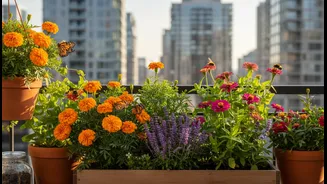
The single most effective step is to grow native plants. These are the trees, shrubs, and flowers that have evolved alongside India's local wildlife for thousands of years, meaning they provide the perfect food and shelter. Many popular ornamental plants look pretty but offer little ecological value. Native species, on the other hand, are a lifeline. For attracting pollinators like bees and butterflies, consider planting marigolds, hibiscus, lantana, and Indian blanket flower. To bring in birds, plant berry-producing shrubs like Indian hawthorn or nectar-rich flowers like the Indian Coral Tree. Even a few pots of Tulsi can provide seeds for sparrows and finches. These plants are also naturally adapted to our climate, meaning they often require less water and are more resistant to local pests.
Just Add Water (and Shelter)
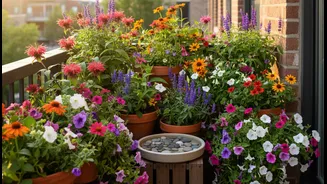
A thriving habitat offers more than just food. Water is essential for all wildlife, especially during hot summers. You don't need a large pond; a simple, shallow dish of water (a 'birdbath') can be a lifesaver for birds and insects. Remember to change the water every day to keep it clean and prevent mosquitoes from breeding. Shelter is another critical element. Small creatures need safe places to rest, hide from predators, and raise their young. You can easily create shelter by stacking a few rocks or logs in a corner of your garden, which provides cool, dark caverns for insects and maybe even a toad. Leaving a patch of leaf litter or installing a simple 'bee hotel' can also offer invaluable refuge.
Think Vertically, Especially in Small Spaces
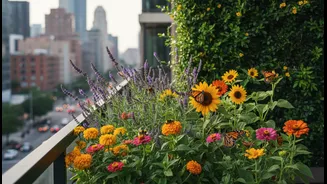
You don't need a large garden to make a difference. Balconies, terraces, and even windowsills can become vibrant stepping stones. The key is to think vertically. Use climbers and creepers to cover walls and railings, effectively creating a living green wall. Hanging baskets can be filled with nectar-rich flowers for pollinators. Multi-tiered planters allow you to grow a variety of species in a small footprint. This layered approach mimics the structure of a natural forest, providing different niches for various types of wildlife. A wall covered in ivy or another native climber can provide shelter and nesting spots for birds and food for insects.
Ditch the Chemicals
Creating a haven for wildlife means avoiding chemical pesticides and herbicides at all costs. These products are often non-selective, meaning they kill the beneficial insects right along with the pests. A healthy garden will naturally attract predators like ladybugs and birds that will help keep pest populations in check. For aphid problems, a simple spray of soapy water is often effective. A spray made from neem oil, derived from the native Indian tree, is a powerful and natural insecticide that doesn't harm most beneficial creatures. Companion planting, like placing marigolds near vegetables, can also naturally deter many pests.
Your Garden's Role in a Wilder City
One balcony garden might seem like a small gesture, but when combined with your neighbours' efforts, the impact is magnified. Imagine a whole street where balconies are filled with native flowers, creating a continuous path for butterflies. Picture a neighbourhood where small gaps in fences allow hedgehogs to roam freely. These individual actions link up to form a resilient, city-wide network of green spaces. This connected landscape helps maintain biodiversity, improves air quality, reduces the urban heat island effect, and fosters a deeper connection to nature for all residents. Your small patch of green is not an island; it is a vital part of a living, breathing urban ecosystem.