

The New Age of Achaar
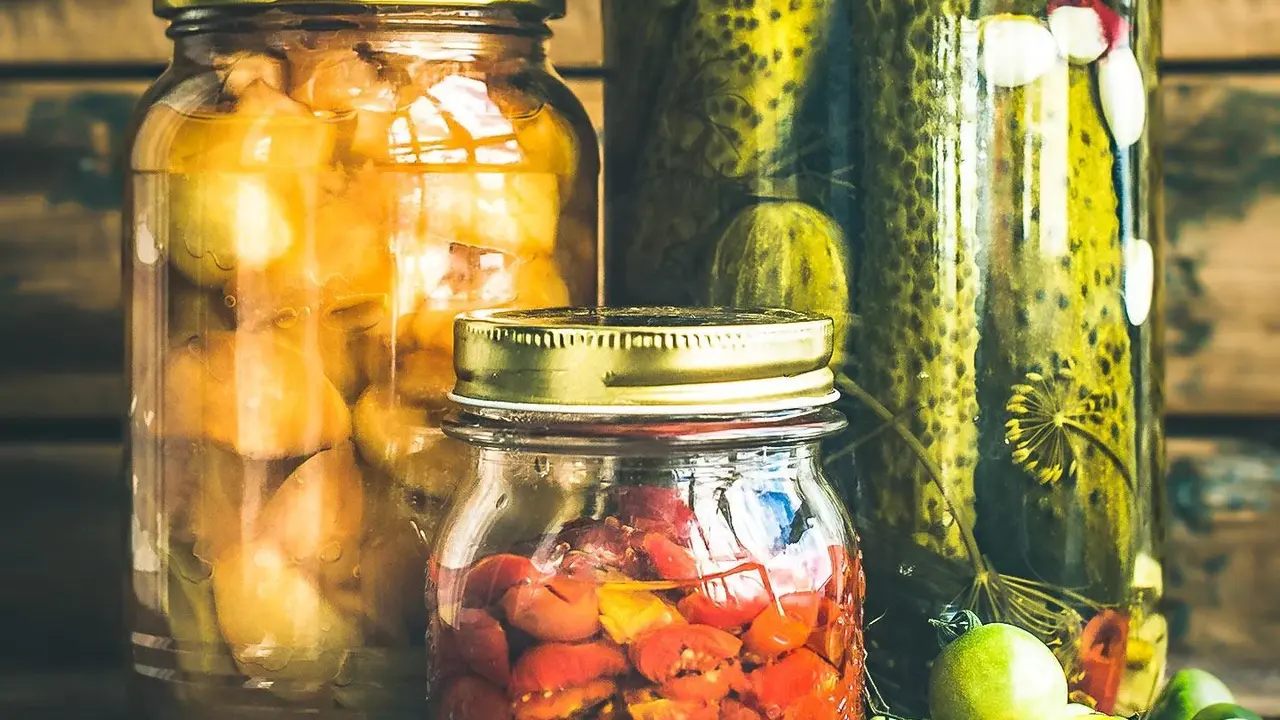
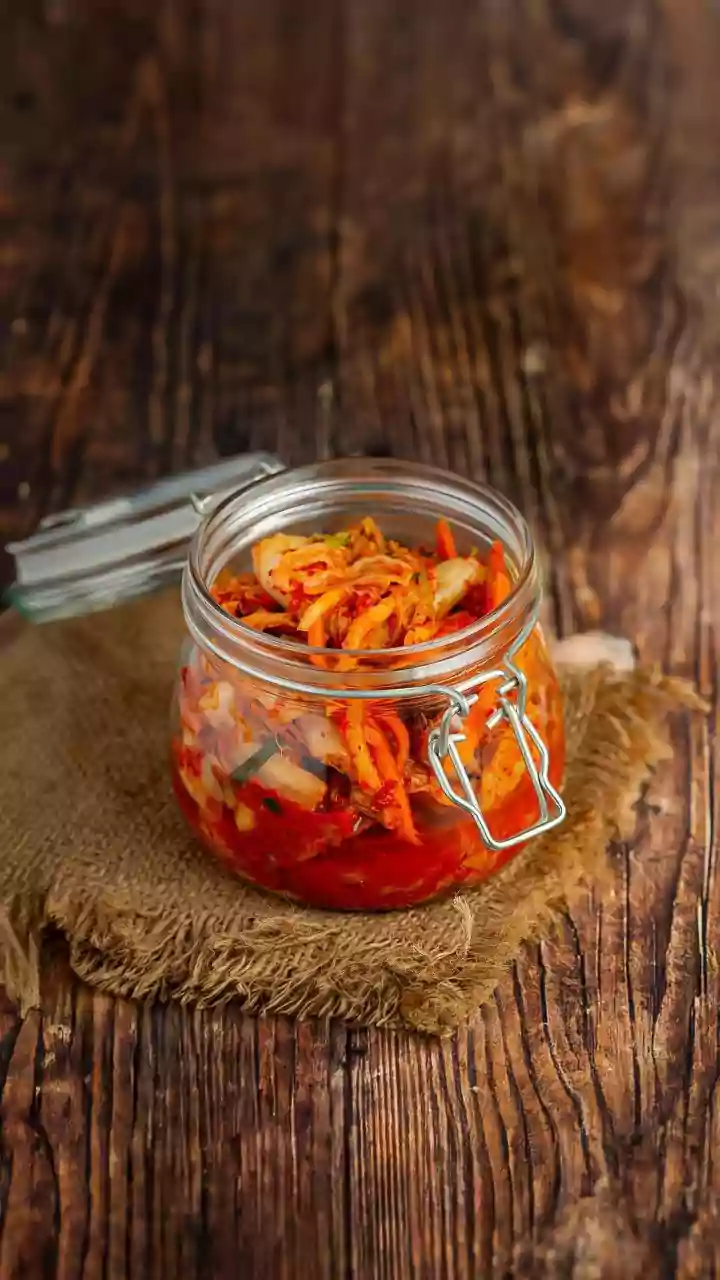
Walk into many urban Indian homes today, and you might find glass jars of vegetables quietly bubbling on the countertop. This isn’t your grandmother’s oil-laden mango pickle. This is a lighter, tangier, and arguably healthier version, all thanks to lactic
acid fermentation. Part of a broader shift towards conscious eating and DIY food projects, this method is gaining traction among health-aware city dwellers. It revives one of the world's oldest food preservation techniques, fitting it seamlessly into the modern pursuit of wellness and flavour.
Science in a Simple Salt Bath
So, what is lactic acid fermentation? The process is surprisingly simple and elegant. It involves submerging vegetables in a saltwater brine. This saline, oxygen-free environment is the perfect breeding ground for beneficial bacteria, particularly from the Lactobacillus family, which are naturally present on the surface of vegetables. These friendly microbes get to work converting the natural sugars in the vegetables into lactic acid. This acid not only gives the pickles their characteristic sour tang but also acts as a natural preservative, warding off harmful bacteria that cause spoilage.
Flavour Without the Oil
For many Indians, the word 'pickle' is synonymous with a thick layer of oil. While delicious, traditional oil-based pickles can be heavy. Lactic acid fermentation offers a refreshing alternative. Here, the preservation is achieved through acidity, not oil. The resulting flavour is clean, complex, and deeply savoury, allowing the true taste of the vegetables to shine through. This method is distinct from using vinegar, where the acidity is added externally. Fermentation creates its own acidity naturally, leading to a more nuanced taste profile that many find superior.
A Boost for Your Gut
The primary driver behind this trend is health. Lactic acid fermented pickles are alive with probiotics—beneficial live bacteria that are crucial for gut health. A healthy gut microbiome is linked to better digestion, a stronger immune system, and even improved mood. While many store-bought pickles are pasteurised (heat-treated) to extend shelf life, this process kills off the beneficial probiotics. By making pickles at home through fermentation, you ensure a raw, living food packed with gut-friendly microbes, far more effective than many synthetic supplements.
The Urban Kitchen Advantage
This ancient method is perfectly suited for modern urban life. It requires minimal equipment—just jars, salt, water, and vegetables. Unlike traditional pickling that often involves large quantities and intense preparation, lacto-fermentation works beautifully for small batches. This means you can easily pickle a small harvest from a balcony garden or the week’s leftover carrots and radishes, reducing food waste. Its simplicity and the minimal space required make it an ideal culinary project for apartment dwellers looking to connect with their food in a more meaningful way.
Getting Started Is Easy
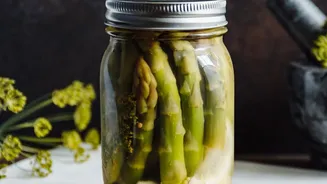
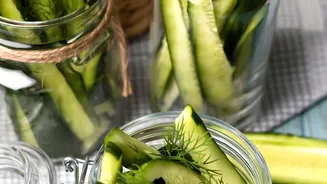
The beauty of this technique is its flexibility. While the basic components are non-chlorinated water, non-iodized salt, and fresh vegetables, you can play with various spices and herbs like mustard seeds, dill, or chilli flakes to create your own signature flavours. The process is straightforward: chop your vegetables, place them in a clean jar, cover them with the prepared saltwater brine, and ensure they stay submerged. Leave the jar at room temperature for a few days to a couple of weeks, 'burping' it daily to release pressure. Soon, you'll have crisp, tangy, and incredibly healthy homemade pickles.