



Start With an Audit, Not a Shopping List
Before you buy anything, the first step is to face what you already have. Pull everything out of your pantry shelves. This isn't just about tidying; it's about taking inventory. Group similar items together—all the dals, all the spices, all the canned
goods. Check expiry dates and be honest about what you will realistically use. If you have three half-used bags of the same rice, consolidate them. Anything that is still good but you know you won’t cook can be donated. This initial clean-out reveals your purchasing habits: what you use quickly and what you buy with good intentions but never touch. This knowledge is the foundation of a waste-free pantry.
Embrace the 'First In, First Out' Rule
One of the most effective principles for reducing waste is 'First In, First Out' (FIFO). It’s a simple system used by restaurants and grocery stores that you can easily adopt. When you unpack your groceries, move older items to the front of the shelf and place the new ones behind them. This ensures the food with the nearest expiration date gets used first. For an even simpler approach, create a designated 'Use-First' bin. This can be a small basket in your pantry or fridge for items that are approaching their best-by date. It serves as a visual reminder to incorporate those ingredients into your next meal, whether it's a handful of wilting spinach for a smoothie or a can of tomatoes for a quick curry.
Stock Your Core Indian Pantry
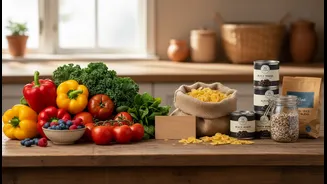
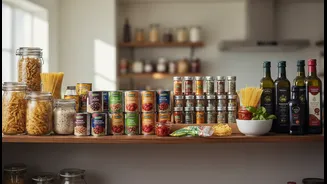
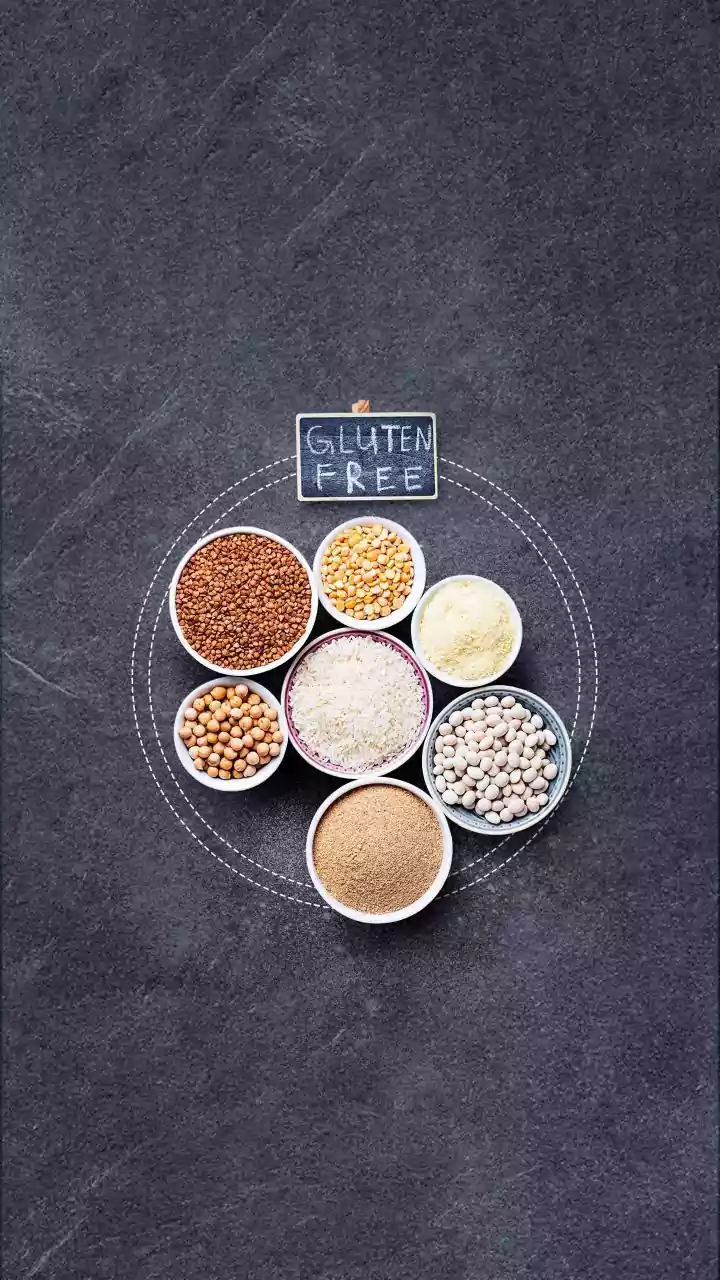
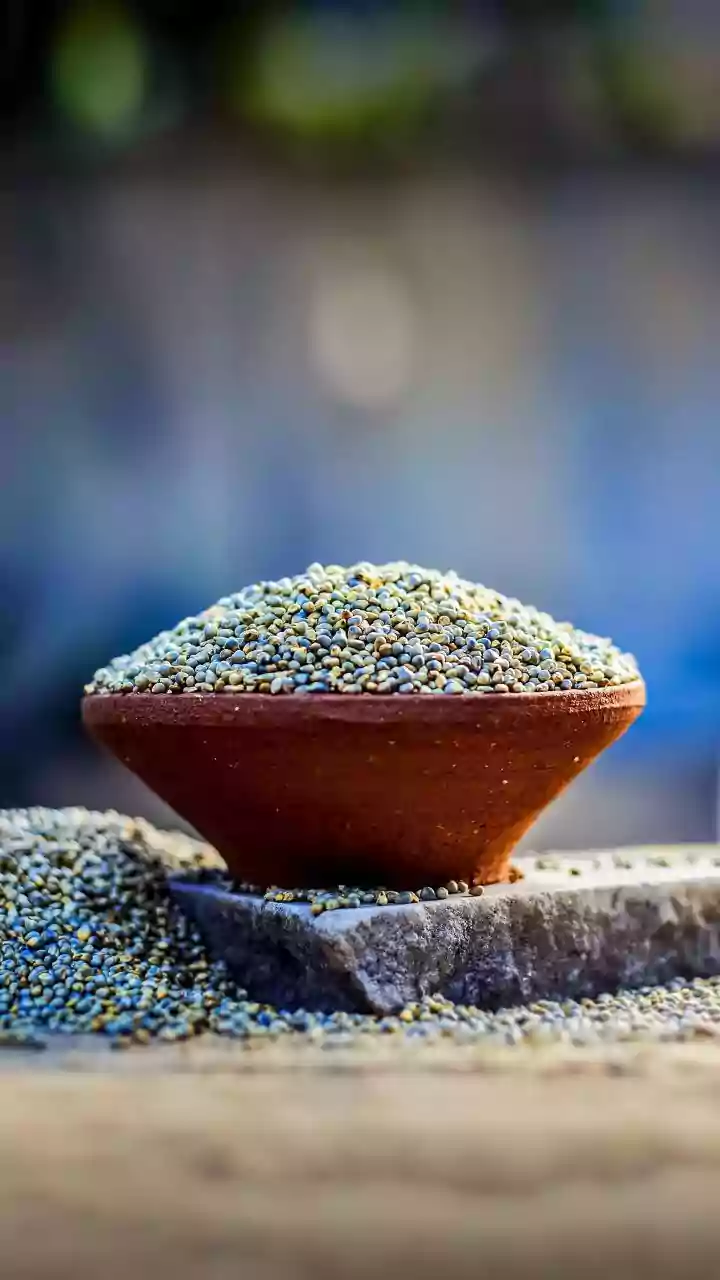
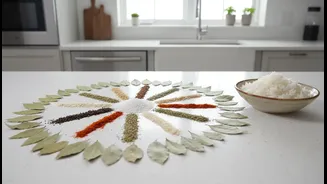
A functional pantry for an Indian household revolves around a core set of versatile staples. Instead of a rigid list, think in categories. Start with the essentials you know you'll use every week. Grains and Flours: Basmati or another preferred rice and whole wheat atta are non-negotiable for most. Semolina (rava) and flattened rice (poha) are great for quick breakfasts or snacks. Lentils and Legumes (Dals): You don’t need every variety. Start with two or three you use most, such as toor dal (split pigeon peas) and moong dal. Canned chickpeas and kidney beans (rajma) are excellent for saving time. Spices (Masalas): The five essentials for most Indian dishes are turmeric (haldi), cumin (jeera), coriander (dhania) powder, red chilli powder, and a good quality garam masala. Mustard seeds (rai) and asafoetida (hing) are also key for tempering. Oils and Fats: Have your primary cooking oil (like groundnut or sunflower) and ghee on hand. * Long-Lasting Basics: Onions, potatoes, garlic, and ginger are the foundation of countless meals. Canned tomato puree or paste is invaluable for creating a quick curry base anytime.
Shop for Meals, Not Just for Stock
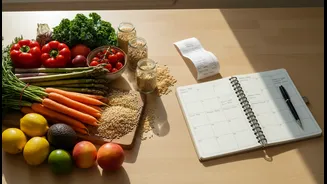
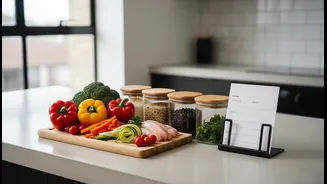
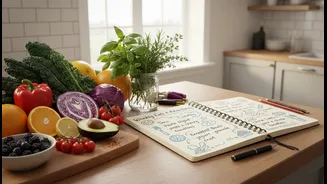
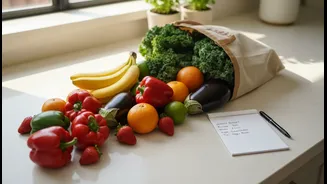
The biggest shift in mindset is to move from stocking up randomly to shopping with a plan. A well-stocked pantry supports your meal plan; it doesn't replace it. Before you go shopping, sketch out a few meals you plan to make for the week. Check your newly organized pantry and fridge first, and build your grocery list around what you're missing. This approach prevents impulse buys and ensures that everything you bring home has a purpose. It also encourages you to get creative and use up what you have. A pantry with rice, dal, onions, and a few spices is already halfway to a comforting bowl of khichdi.
Smart Storage Is the Final Piece
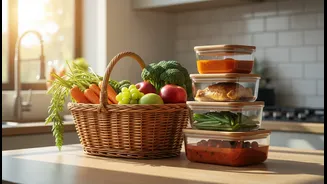
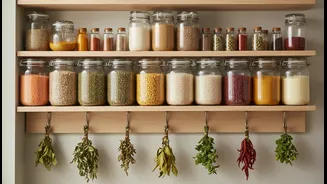
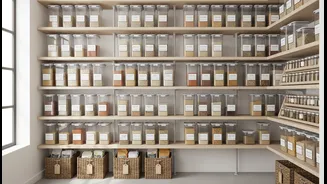
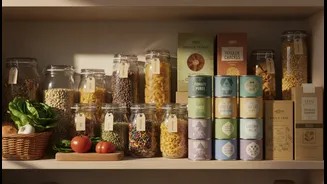
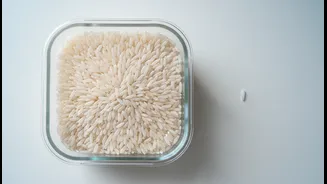
How you store your food is just as important as what you buy. Proper storage extends shelf life and preserves flavour, saving you money. Transfer items like rice, dals, and flours from their original plastic bags into airtight containers. This not only keeps them fresh and free from pests but also makes it easy to see how much you have left. Spices should be kept in a cool, dark place away from the stove, as heat and light degrade their potency. For items you buy in bulk to save money and packaging, consider storing a smaller amount in an accessible container and keeping the rest sealed tightly in a cooler, darker spot.