







The Invisible Attack on Your Skin
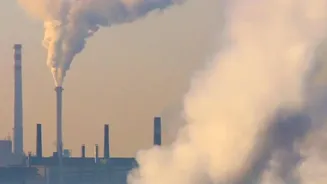
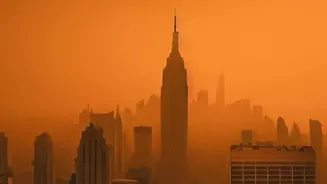
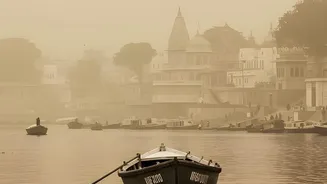
Delhi's winter air is a complex cocktail of pollutants. The most notorious is Particulate Matter (PM2.5), microscopic particles about 30 times smaller than a human hair. These particles, along with other aggressors like ozone, nitrogen dioxide, and heavy
metals, don't just sit on your skin. They are tiny enough to penetrate pores and hair follicles, launching an attack on your skin's primary defence: the skin barrier. This barrier, a carefully arranged wall of lipids (fats) and skin cells, is designed to keep moisture in and irritants out. When it's healthy, your skin feels soft and hydrated. When it's under attack, problems begin.
How Pollution Triggers Dryness
The main way pollution causes dryness is by creating 'oxidative stress'. Pollutants generate unstable molecules called free radicals on your skin's surface. These free radicals are like tiny thieves, stealing life from healthy skin cells to stabilise themselves. This process triggers inflammation and, crucially, breaks down the essential lipids in your skin barrier. As this protective barrier weakens and becomes more porous, it can no longer effectively hold onto moisture. Water begins to escape from the skin in a process called Transepidermal Water Loss (TEWL). Studies have shown a direct link between increased exposure to pollutants and higher rates of TEWL, leading to compromised, dehydrated, and visibly dry skin.
More Than Just Dryness
While dryness is an immediate and uncomfortable symptom, the damage doesn't stop there. The same mechanisms that cause moisture loss can also lead to a host of other skin issues. Chronic exposure to air pollution is linked to premature ageing, including fine lines and wrinkles, as free radicals break down the skin's collagen and elastin. It can also trigger or worsen inflammatory conditions like acne, eczema, and psoriasis, and lead to uneven skin tone and dark spots (hyperpigmentation).
Your Skincare Defence Plan
The good news is that you can fight back with a smart, consistent skincare routine. Think of it as creating a shield for your skin. The goal is two-fold: remove the pollutants effectively and strengthen your skin's natural defences. You don't need a 12-step routine, just a few key products with the right ingredients to protect and repair.
Step 1: Cleanse Thoroughly, But Gently
A single face wash often isn't enough to remove the microscopic grime of city pollution. This is where double cleansing in the evening becomes essential. Start with an oil-based cleanser or micellar water to dissolve oil-based impurities like makeup, sunscreen, and sebum that have trapped pollutants. Follow it with a gentle, hydrating water-based cleanser to wash everything away without stripping your skin's natural oils. Avoid harsh scrubs, which can create micro-tears and further weaken your already stressed barrier.
Step 2: Neutralise with Antioxidants
Antioxidants are your best friends in the fight against pollution. They work by neutralising the harmful free radicals before they can do significant damage. The most well-known and effective antioxidant for your morning routine is Vitamin C. Look for a stable Vitamin C serum to apply after cleansing. It not only protects but also helps brighten the skin. Other powerful antioxidants to look for in serums and moisturisers include Vitamin E, Ferulic Acid, Niacinamide, and Resveratrol.
Step 3: Rebuild and Moisturise
With your barrier under constant assault, you need to actively rebuild it. After your antioxidant serum, apply a moisturiser rich in barrier-repairing ingredients. Look for ceramides, which are lipids that naturally make up a large portion of your skin barrier. Hyaluronic acid is another hero ingredient, as it draws and holds up to 1,000 times its weight in water, providing intense hydration to counteract TEWL. Peptides and Niacinamide also support skin structure and function, helping to keep your barrier strong and resilient.
Step 4: The Non-Negotiable Sunscreen
Even on a hazy, overcast day, harmful UV rays penetrate the smog. In fact, UV radiation and pollution can have a synergistic effect, meaning they cause more damage together than they would alone. A broad-spectrum sunscreen with an SPF of 30 or higher is the final, essential layer of your morning skincare armour. It creates a physical shield on top of your skin, protecting it from both UV rays and preventing some pollutants from ever making contact in the first place.