



What is a Dark-Sky Reserve?
Before diving into Langza’s unique position, it’s important to understand what a dark-sky reserve is. A dark-sky reserve is an area of land, public or private, that possesses an exceptional quality of starry nights and is protected for scientific, natural,
or educational value. These reserves typically consist of a dark 'core' area and a peripheral zone where light pollution is actively managed and controlled. The goal is to preserve the natural darkness of the night sky, which is increasingly rare in our artificially illuminated world. This designation, often certified by bodies like DarkSky International, helps protect nocturnal environments and promotes a special kind of tourism centred on the cosmos.
The Perfect Celestial Canvas
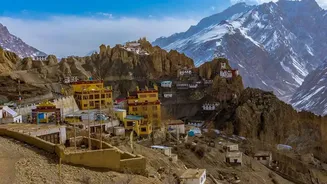
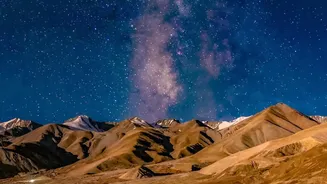
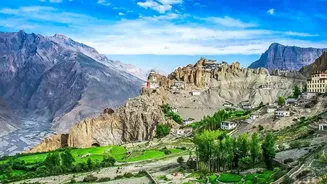
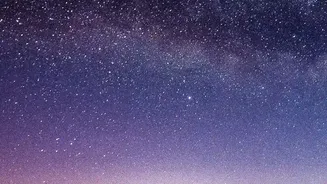
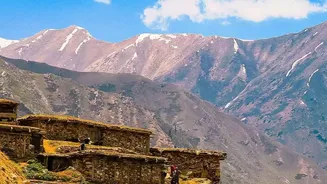
Spiti Valley is naturally designed for stargazing, and Langza, perched at an altitude of over 14,500 feet, is one of its crown jewels. The region's high-altitude desert climate means there are minimal clouds, low humidity, and crisp, clear air for much of the year, providing an uninterrupted view of the heavens. Crucially, its remote location far from major urban centres results in near-zero light pollution. This combination creates what astronomers call Bortle Class 1 skies—the darkest possible rating, where the Milky Way can be so bright it casts a visible shadow. These pristine conditions make Langza an ideal candidate for a dark-sky sanctuary, offering views of galaxies, nebulae, and constellations that are invisible from cities.
A Community-Led Initiative
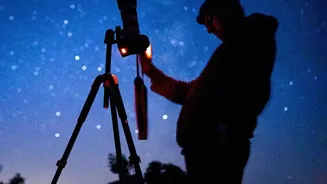
The push to formalise Spiti as a prime astro-tourism destination is gaining significant momentum, with Langza at the forefront. The Himachal Pradesh government has launched a programme to empower local communities by promoting stargazing. This initiative involves providing high-end, computerised telescopes to residents in villages like Langza, Kaza, and Rangrik. Local youths and homestay owners are being trained to operate this equipment and guide tourists through night-sky observation sessions. By integrating science with local culture, the project aims to create a sustainable economic model that provides employment, strengthens the local economy, and encourages the preservation of the area's natural heritage.
More Than Just Stars
A trip to Langza offers more than just a celestial show. Known as the 'Fossil Village', the area is rich with marine fossils dating back millions of years, a reminder that the Himalayas were once an ocean floor. The village is presided over by a magnificent, large statue of Lord Buddha, which creates a stunning silhouette against the star-studded sky, making it a dream location for astrophotographers. Visitors can immerse themselves in the local culture by staying in traditional homestays, where they can experience the warmth of Spitian hospitality. This blend of natural wonder, cultural richness, and geological history makes the journey to Langza a profoundly unique experience.
India's Growing Astro-Tourism Map
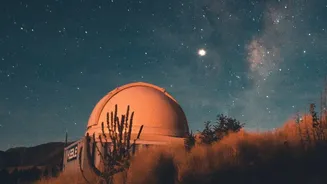
The initiative in Spiti is part of a larger trend across India. It follows the success of India’s first certified Dark Sky Reserve in Hanle, Ladakh. Established in 2022, the Hanle Dark Sky Reserve, located within the Changthang Wildlife Sanctuary, has successfully demonstrated how astro-tourism can benefit remote communities while supporting scientific endeavours at the Indian Astronomical Observatory. The efforts in Langza and the broader Spiti Valley are set to add another vital pin to India’s growing astro-tourism map, offering enthusiasts a choice of spectacular, high-altitude locations to connect with the cosmos.