






Embrace Warm, Hydrating Fluids
The cool, humid weather might make you feel less thirsty, but staying hydrated is crucial for flushing out toxins. However, the risk of waterborne diseases is highest during this season. Always opt for boiled or filtered water. Swap cold drinks for warm,
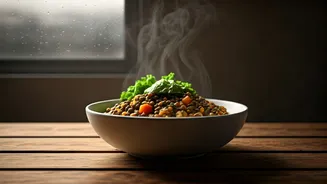
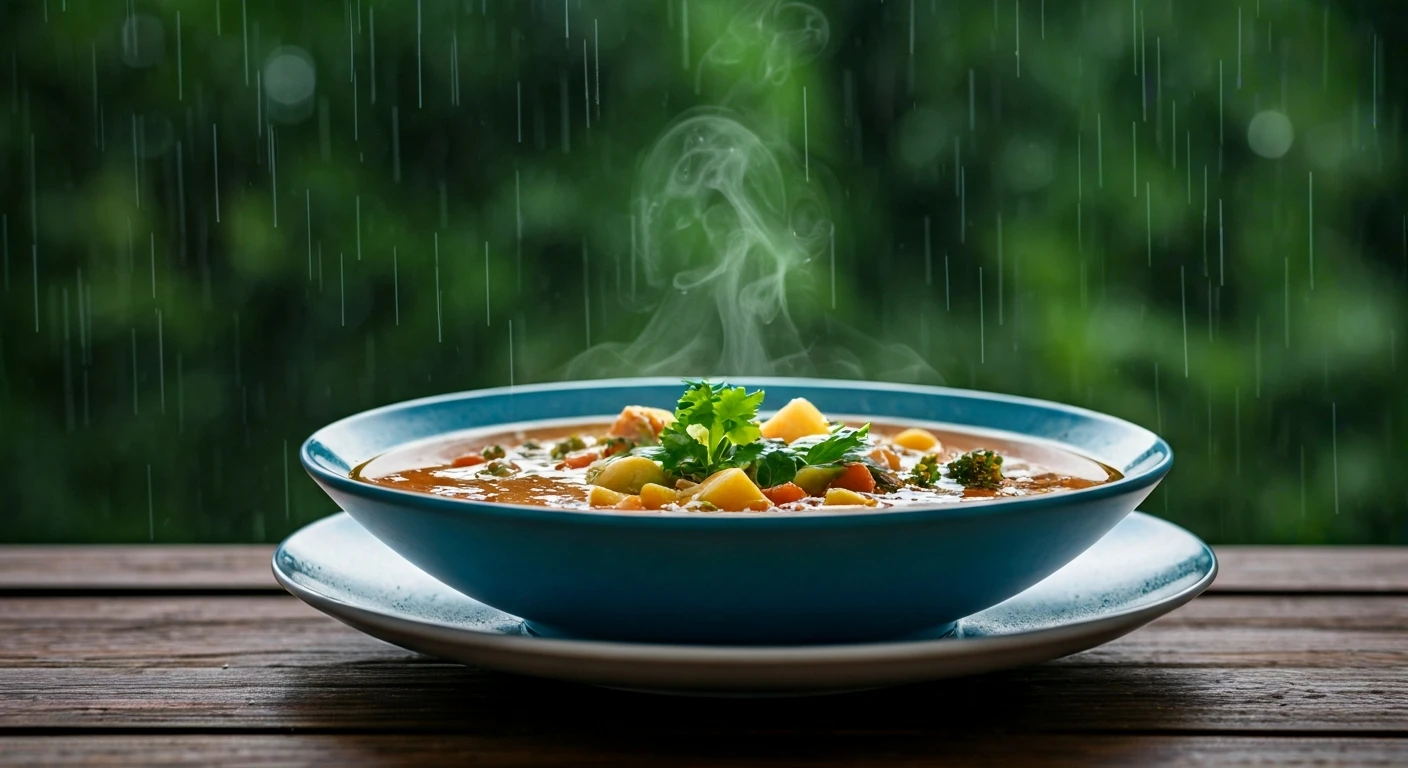
immunity-boosting beverages. Herbal teas made with ginger, tulsi, and lemon are excellent for soothing the throat and aiding digestion. A warm bowl of soup, packed with vegetables like carrots and tomatoes, is not only comforting but also a great source of fibre and antioxidants.
Choose Your Produce Wisely
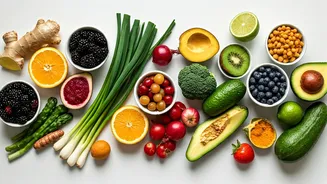
While fresh produce is key, some vegetables are better than others during the rains. It's wise to limit leafy greens like spinach and cabbage, as the dampness makes them a breeding ground for germs and difficult to clean thoroughly. Instead, favour seasonal vegetables that are light and easy to digest. Gourds like lauki (bottle gourd), turai (ridge gourd), tinda, and karela (bitter gourd) are excellent choices. Bitter vegetables, in particular, have properties that help prevent infections. For fruits, opt for seasonal varieties like jamun, pears, plums, cherries, and pomegranates, which are rich in antioxidants. Always wash them well and avoid buying pre-cut fruits from street vendors.
Spice Up Your Immunity
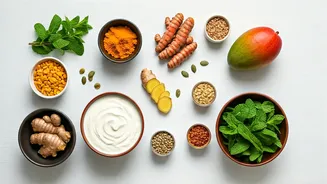
Indian spices are not just for flavour; they are packed with medicinal properties that are especially beneficial during the monsoon. Turmeric, with its active compound curcumin, has powerful anti-inflammatory and antiseptic qualities. Adding it to milk or your daily cooking can significantly boost your body's defences. Ginger and garlic are renowned for their antibacterial and antiviral effects, helping fight off common colds and flu. Other spices like black pepper, cloves, and cinnamon also aid digestion and have antimicrobial properties, making them a vital part of your monsoon diet.
Prioritise Gut Health with Probiotics
A healthy gut is the foundation of a strong immune system. The high humidity during the monsoon can slow down digestion, making it important to include gut-friendly foods in your diet. Probiotics are beneficial bacteria that support digestive health. Fresh, homemade curd and buttermilk (chaas) are excellent sources. They help maintain a healthy balance of gut flora, which is essential for nutrient absorption and fending off pathogens. Lighter options like spiced buttermilk are often recommended over heavy yogurts.
Foods to Approach with Caution
The craving for hot, fried food like pakoras and samosas is almost synonymous with rain, but it's best to limit them. These snacks are heavy on the digestive system and can lead to bloating and indigestion. If the craving is irresistible, preparing them at home with fresh oil is a safer alternative. Street food, including chaat and juices, poses a high risk of contamination due to compromised water sources and hygiene. It's also advisable to avoid seafood, as the monsoon is the breeding season for fish and the risk of water contamination is high.
Rethink Your Cooking Methods
How you cook your food is just as important as what you cook. Instead of deep-frying, which can slow down your already sluggish monsoon metabolism, opt for lighter cooking techniques. Steaming, boiling, and grilling are excellent methods that preserve the nutritional value of your food without adding excess oil. A simple khichdi made with moong dal is light, nutritious, and easy to digest, making it a perfect monsoon meal. Favour freshly prepared, warm meals over leftovers, as the humid weather can cause food to spoil quickly.