






The allure of a 'healthy' or 'guilt-free' sweet is powerful, promising indulgence without consequence. But can a dessert ever be truly, completely healthy? The answer is more complex than a simple yes or no and lies in what's inside.
Deconstructing 'Healthy' Sweets
In the world of wellness,
the term 'healthy' when applied to sweets can be misleading. A dessert is often labelled as such if it uses 'natural' sweeteners, whole grains, or is packed with nuts and seeds. While these ingredients are certainly more nutritious than refined flour and sugar, it doesn't erase the fact that sweets are, by nature, a concentrated source of energy. A so-called healthy dessert can still be high in calories, sugar, and fat. The primary benefit of these alternatives is that they often provide more nutritional value—like fibre, vitamins, and minerals—alongside the sweetness. For a sweet to be considered a better choice, it should ideally be low in added sugars, made from whole ingredients, and offer some form of nourishment.
The Story of Sugar: Natural vs. Refined
Many 'healthy' sweets replace refined white sugar with natural alternatives like jaggery, honey, dates, or coconut sugar. These are often preferred because they are less processed and contain trace amounts of minerals like iron, potassium, and magnesium. For example, jaggery is unrefined cane sugar that retains some of its original nutrients. Dates are packed with fibre, which helps slow down sugar absorption and provides sustained energy. However, it's crucial to understand that your body metabolises the sugar in honey, jaggery, and table sugar in a very similar way. While natural sweeteners are marginally better, they still contribute to your daily sugar intake and have a similar caloric value. The Glycemic Index (GI), which measures how quickly a food raises blood sugar, is also an important factor. Surprisingly, some studies suggest that jaggery's GI is comparable to, or even higher than, white sugar's, making it a poor choice for diabetics despite its mineral content. Ultimately, moderation is key, regardless of the sugar source.
Beyond Sugar: The Role of Fats and Fibre
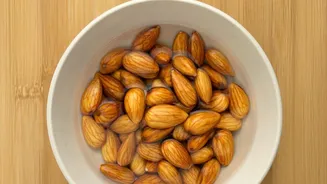
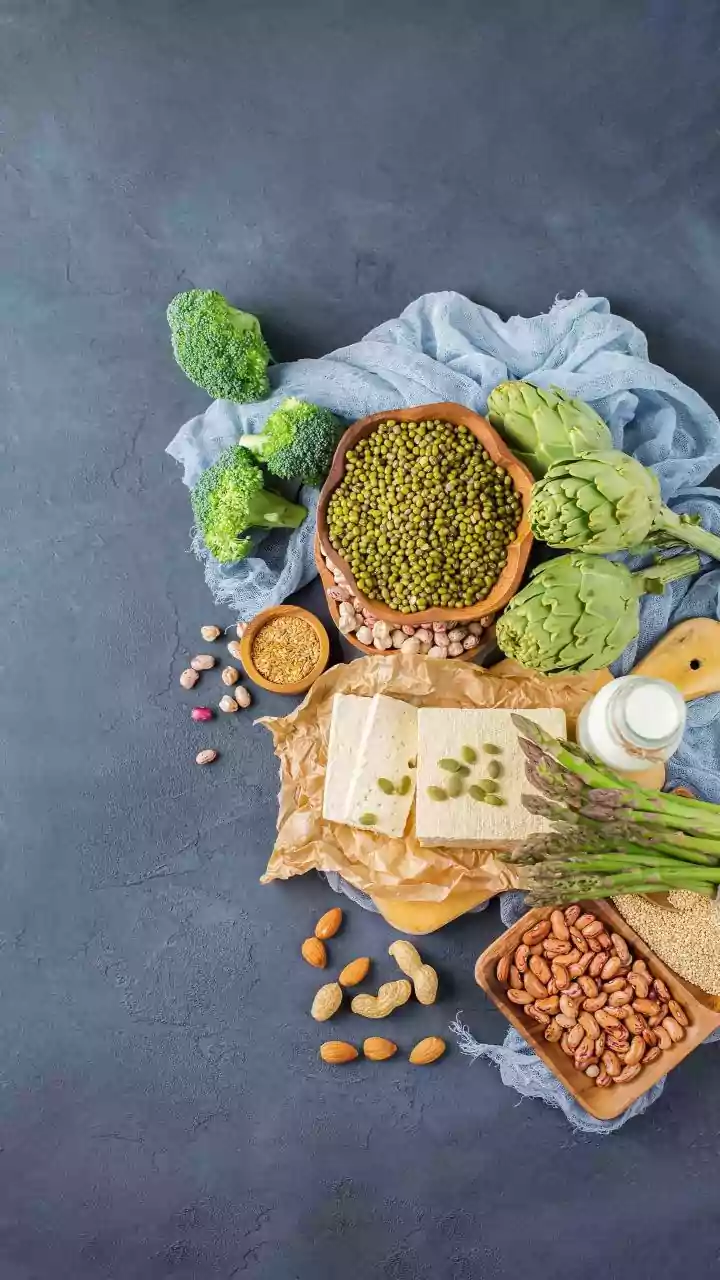
What truly sets a healthier sweet apart is often not just the sweetener, but the other components. Ingredients like nuts, seeds, and whole grains add significant nutritional value. Nuts and seeds provide healthy fats, protein, and fibre. Healthy fats and fibre help slow the absorption of sugar into the bloodstream, preventing the sharp spikes and subsequent crashes in energy levels associated with high-sugar treats. For instance, a ladoo made from dates and nuts offers sustained energy because the fibre from the dates and the fat and protein from the nuts create a more balanced snack. Similarly, using whole wheat flour or oats instead of refined maida adds fibre, which supports digestive health and increases satiety. These additions make the sweet more of a nourishing food and less of an empty-calorie indulgence.
The Verdict: Mindful Indulgence
No sweet can be declared 'completely healthy' in the same way a bowl of fresh vegetables is. They are treats, and their consumption should be mindful. A 'healthier' sweet is one that offers some nutritional bang for its caloric buck, using whole food ingredients that provide fibre, healthy fats, vitamins, and minerals. It's about making a better choice, not finding a guilt-free pass to eat unlimited quantities. Opting for a date-and-nut roll over a sugar-laden gulab jamun is a step in a healthier direction because it provides more nutrients. The focus should be on ingredient quality and portion size. Enjoying a small piece of a well-made, nutrient-dense sweet is a far better approach than searching for a mythical dessert that has no impact on your health.