

What Exactly is Bajra?
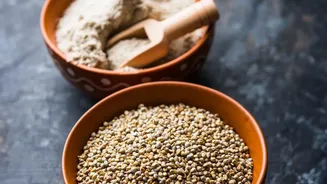
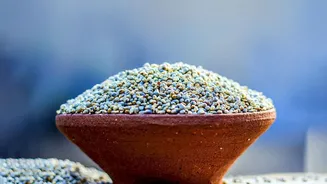
Bajra, also known as pearl millet, is an ancient grain that has been a staple in India for thousands of years, especially in arid regions like Rajasthan, Gujarat, and Haryana. It's a hardy, drought-resistant crop belonging to the millet family. Unlike
wheat, bajra is naturally gluten-free, making it an excellent alternative for those with celiac disease or gluten sensitivity. With its distinct earthy and slightly nutty flavour, this grain is not just a source of calories but a powerhouse of nutrients.
The 'Warming' Effect Explained
The idea that certain foods can 'warm' the body is a cornerstone of traditional wisdom, including Ayurveda. Bajra is considered a 'warming' grain because of its thermogenic effect. This means your body uses more energy to digest its complex carbohydrates, which in turn generates heat and helps maintain your core temperature during cold weather. The slow release of energy from these complex carbs also provides sustained fuel, helping you stay active and fight off the lethargy that often comes with winter days.
A Powerhouse of Winter Nutrients
Bajra roti is far more than just a source of warmth; it's packed with nutrients that are particularly beneficial during winter. It is a rich source of essential minerals like magnesium, which is crucial for heart health and nerve function. It is also high in iron, which helps combat fatigue and supports a strong immune system—a key concern during flu season. Furthermore, it provides phosphorus for bone health, zinc for immunity, and a range of B vitamins that aid in energy production.
Benefits Beyond Warmth
The advantages of including bajra in your diet extend well beyond the winter season. Its high fibre content is a significant benefit, aiding digestion and preventing constipation, which can sometimes be an issue when physical activity levels drop in the cold. This fibre also helps you feel full for longer, preventing mindless snacking. For individuals managing diabetes, bajra's low glycemic index is a major plus, as it leads to a slow, steady release of sugar into the bloodstream instead of sudden spikes.
The Art of Making and Pairing Bajra Roti
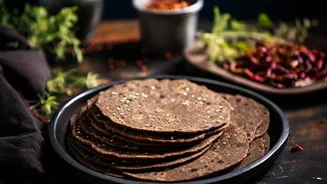
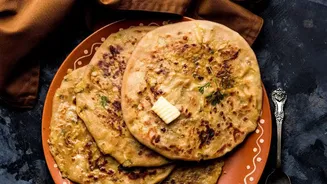
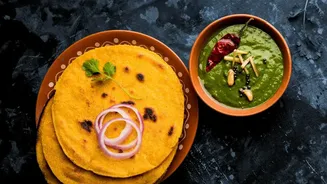
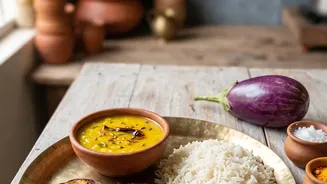
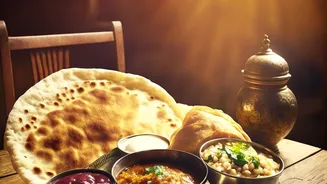
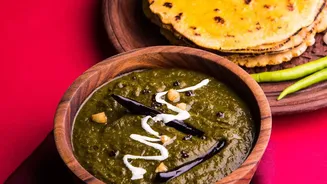
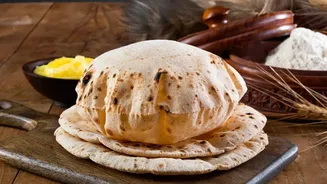
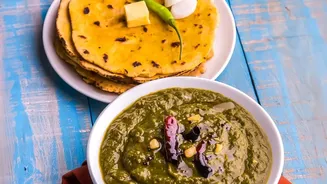
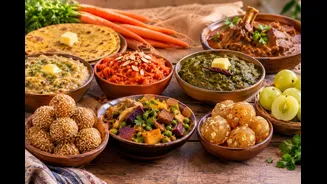
Making bajra roti is an art. Since the flour is gluten-free, it lacks elasticity and cannot be rolled out like a wheat chapati. The dough is traditionally made with warm water and then patted into shape by hand before being cooked on a hot tawa. The classic and simplest way to enjoy it is hot off the flame, generously topped with a dollop of white butter or ghee and a piece of jaggery (gur). This combination is not just delicious but also provides instant energy. For a full meal, bajra roti pairs wonderfully with a variety of winter dishes across different regions. In Punjab and Haryana, it is an essential companion to Sarson ka Saag. In Rajasthan, it's often served with a fiery Lehsun ki Chutney (garlic chutney) or Ker Sangri. In Gujarat, it is enjoyed with Baingan Bharta (smoky eggplant curry) or a simple dal. A side of buttermilk or curd is often added to balance the meal and aid digestion.