





The White Paint Myth
It’s a common assumption that a coat of brilliant white will make any room feel bigger and brighter. While white paint does have a high Light Reflectance Value (LRV), meaning it reflects more light than it absorbs, it can only reflect the light that's
available. In a room with little natural sun, especially one facing north, pure white can look flat, grey, and sterile. Instead of creating a warm, inviting glow, it can amplify the shadows and create a cold, unwelcoming atmosphere that feels more like a clinic than a home.
Choose Smarter Colours
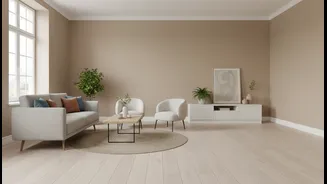
Instead of stark white, consider colours that create warmth. Off-whites with yellow or creamy undertones can radiate a cosy glow even in low light. Look for paints with an LRV above 50, which ensures they bounce back more light than they absorb. Soft greys with warm undertones, pale yellows, or even light blues can add personality while still making a space feel open and bright. The key is to select a colour that has enough pigment to avoid looking grey and dingy in shadowed corners. For those feeling bold, even dark, moody colours can work if the goal is to create a cosy, intimate space rather than pretending it's a sun-drenched loft.
Let Mirrors Do the Work
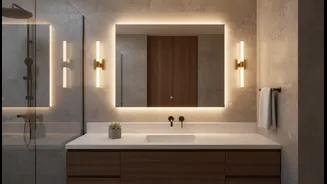
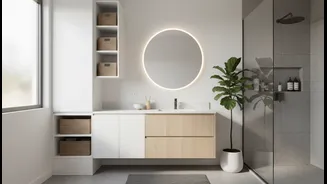
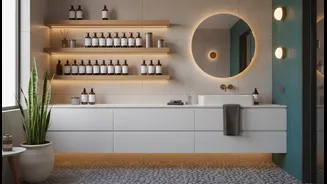
Mirrors are the most effective tool for amplifying light. Placing a large mirror directly opposite a window can dramatically increase the brightness of a room by bouncing daylight deep into the space. Don't just stop at one. A collection of smaller mirrors can catch and distribute light in interesting ways, while a tall mirror at the end of a dark hallway creates the illusion of depth and brightness. Even mirrored furniture or cabinet doors can help make a space feel larger and more illuminated by subtly reflecting light.
Rethink Your Windows and Layout
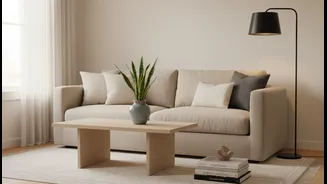
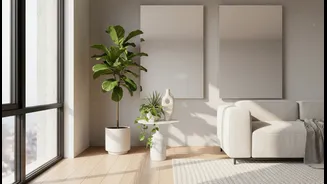
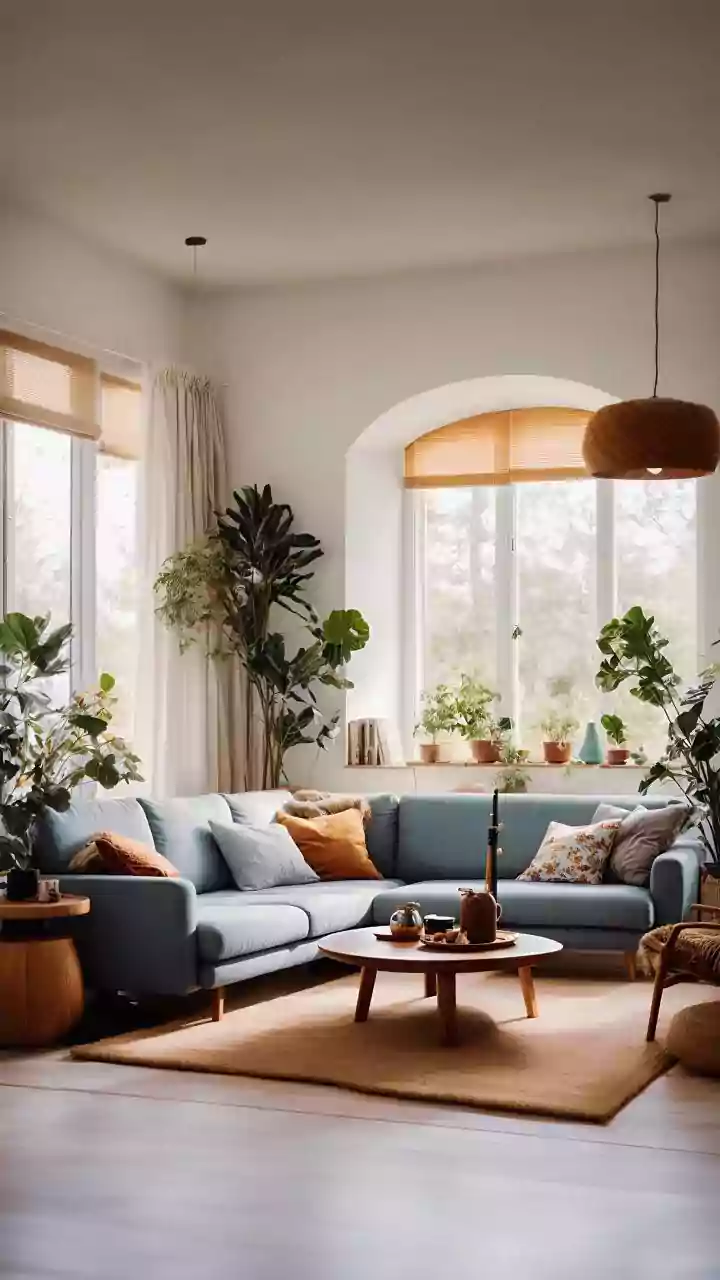
The most obvious source of light is often the most neglected. Start by giving your windows a thorough cleaning, inside and out. It’s a simple step that can make a surprising difference. Next, reconsider heavy curtains. Opt for sheer, light-filtering fabrics like linen or voile that provide privacy without blocking precious sunlight. The arrangement of your furniture also plays a crucial role. Avoid placing bulky items in front of windows. Choose furniture with legs to allow light to flow underneath, and consider low-profile pieces that don't cast large shadows, keeping the path for daylight clear.
Layer Your Lighting
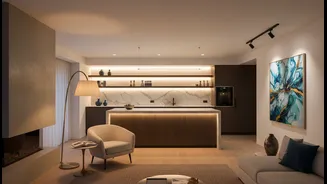
Natural light is only part of the solution. A good artificial lighting plan is essential for any home, especially one with dark corners. The key is layering. Combine ambient overhead lighting with task lighting (like reading lamps) and accent lighting (to highlight artwork or features). Pay attention to your lightbulbs. LED bulbs that mimic natural daylight (around 3000-4000K) can help a space feel bright and energised, even on a gloomy day or after the sun goes down. Placing lamps in front of mirrors can also double their impact, creating the illusion of more light sources.