




Why the Concern Now?
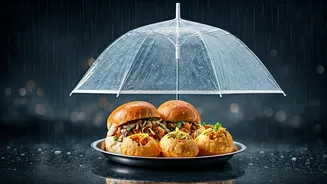
While there isn't one single, nationwide ban, health experts and food safety authorities consistently raise alarms about raw produce, especially during the monsoon. The current date of June 29, 2026, places us squarely in this high-risk period. The combination
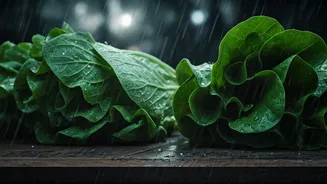
of high humidity, moisture, and potential water contamination creates a perfect breeding ground for harmful bacteria, viruses, and fungi on street-vended foods. Leafy greens like spinach, cabbage, and lettuce are especially vulnerable due to their large surface area and structure, which can trap germs, dirt, and even larvae that are difficult to wash away, particularly with the limited facilities available to street vendors.
The Unseen Dangers in Raw Greens
The primary risk comes from microbial contamination. Pathogens like E. coli, Salmonella, and Staphylococcus aureus are frequently found in studies of Indian street food. E. coli, in particular, often indicates faecal contamination, which can happen if vegetables are washed with unsafe water or handled with poor hygiene. Beyond bacteria, there is also a risk of parasites. Furthermore, chemical contaminants pose another threat. Vegetables can absorb heavy metals like lead and cadmium from polluted soil and water sources. Pesticide residues are another concern. While these risks exist year-round, they are amplified during the monsoon when water sources are more likely to be contaminated.
Cooking Is Your Best Defence
The fundamental reason raw vegetables are a bigger risk is the lack of a kill step. Heat from proper cooking destroys most dangerous bacteria and viruses. When you eat a raw salad, an uncooked chutney, or raw cabbage and onion toppings from a street vendor, you are relying solely on how well the ingredients were washed. Unfortunately, vendors may use contaminated tap water for rinsing, which can introduce pathogens rather than remove them. Even thorough washing might not be enough to eliminate all the germs hidden in the crevices of leafy greens.
Which Vegetables and Foods Are Highest Risk?
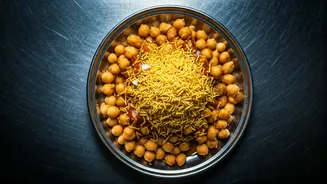
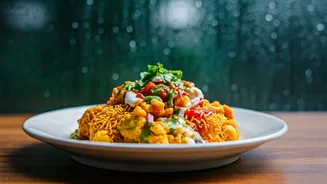
Certain popular street food items carry a higher risk due to their use of raw ingredients. Be particularly cautious of leafy greens like cabbage, lettuce, and spinach used in items like sandwiches, rolls, and as a garnish for chaat. The mint and coriander in green chutneys are often raw, as are the onions and tomatoes in many salads and toppings. Even pani puri is a concern, as the 'pani' (water) is often made with untreated tap water, and raw fillings may be used. Cruciferous vegetables like cauliflower and broccoli can also trap dirt and pests in their florets, making them risky if not cleaned and cooked thoroughly.
How to Enjoy Street Food Safely
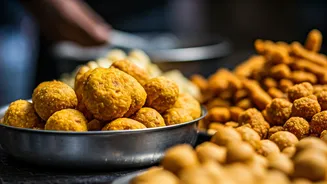
This warning doesn't mean you must avoid all street food. The key is to make smarter choices. Opt for items that are served piping hot and have been cooked thoroughly in front of you. Think samosas, pakoras, chole bhature, or freshly fried jalebis. These foods are generally safer because the high cooking temperature kills harmful microbes. Avoid anything that has been sitting out at room temperature, especially sauces, pre-cut fruits, and salads. Choose vendors who are busy with a high turnover of customers; this usually indicates that the food is fresh and the vendor maintains a certain standard of quality to keep their reputation.
Safe Handling Practices at Home
If you buy leafy vegetables to eat at home, take extra precautions. Wash them thoroughly under clean, running water. For added safety, you can soak them in a bowl of water with a bit of salt, vinegar, or a potassium permanganate solution for about 15-20 minutes to help dislodge germs and pesticide residues. Afterwards, rinse them again with clean water. The safest approach, especially during the monsoon, is to cook your vegetables rather than consuming them raw. Steaming or sautéing are great ways to retain nutrients while ensuring the food is safe to eat.