







Understanding Why Your Grip Fails
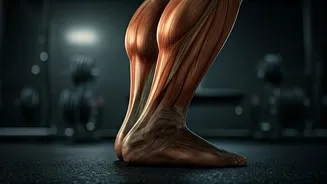
The feeling is all too common: your back and biceps have more to give, but your fingers are unpeeling from the bar. This happens because the relatively small muscles in your forearms are responsible for your grip, and their endurance often doesn't match
the strength of your larger back muscles. When you hang or pull, your forearm flexors are under constant tension. Without specific training, these muscles fatigue quickly, making them the weak link in your pull-up performance. Building a durable grip means targeting these forearm muscles with the same focus you give to your lats and biceps, prioritising endurance alongside raw strength.
The Foundation: Master the Dead Hang
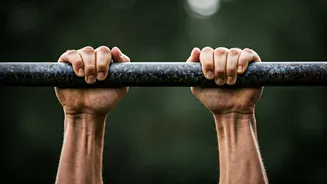
The simplest and most direct way to build grip endurance is the dead hang. This exercise involves simply hanging from a pull-up bar with your arms fully extended. It directly challenges the muscles responsible for holding on, decompressing the spine and improving shoulder stability as added benefits. Start with timed holds, aiming for 20-30 seconds per set. As you get stronger, work your way up to 60 seconds or more. For an effective routine, perform 3-5 sets at the end of your workout. This ensures you’re fatiguing the grip muscles after your main strength work, pushing their endurance to new levels.
Vary Your Grip to Build Balanced Strength
Sticking to one grip style can lead to strength imbalances. To build a truly resilient grip, you need to challenge your hands from multiple angles. Regularly switch between an overhand (pronated) grip, an underhand (supinated) grip, and a neutral or hammer grip (palms facing each other). The classic overhand pull-up grip heavily recruits the back, while the underhand chin-up grip engages the biceps more. A neutral grip is often considered easier on the shoulder joints. You can also vary the width of your grip; a wider placement is generally more difficult than a narrow one. This variety not only prevents plateaus but also develops more well-rounded forearm and hand strength.
Incorporate Grip-Intensive Accessory Work
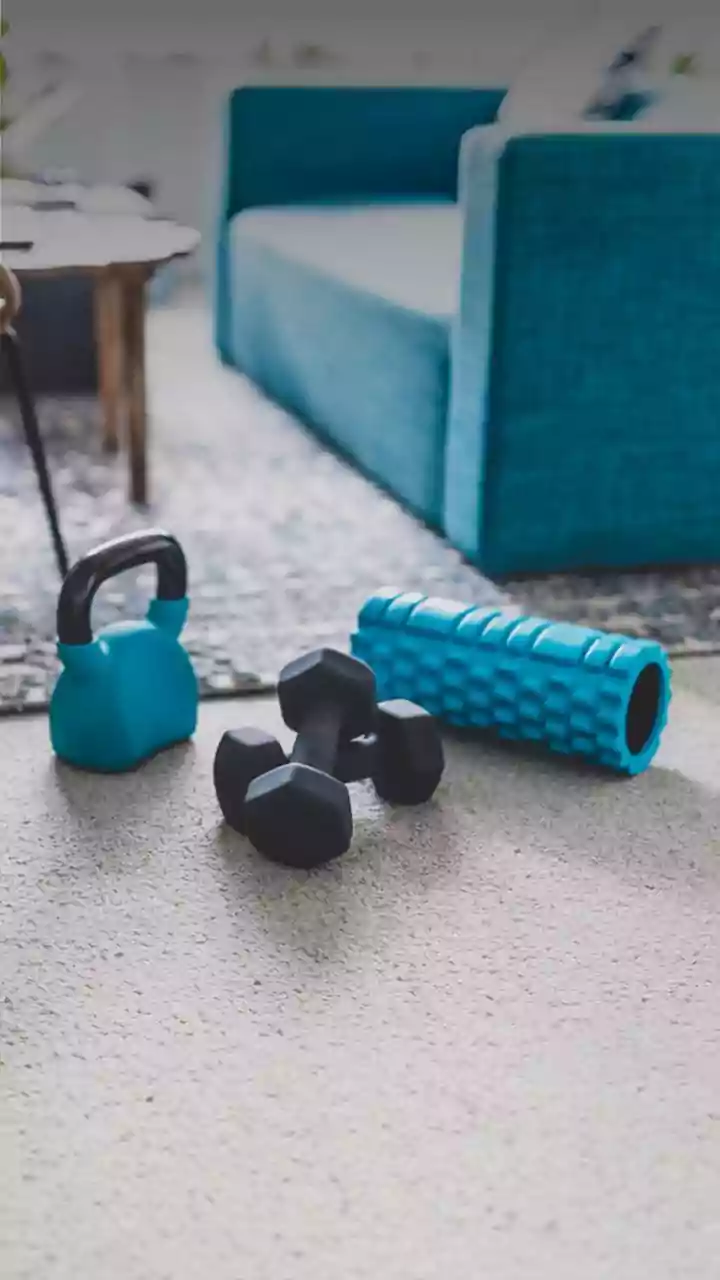
To accelerate your progress, add exercises that specifically target your grip. Towel pull-ups are a fantastic option; simply drape a towel over the bar and grip the ends to perform pull-ups or hangs. The unstable and thicker surface forces your hands and fingers to work much harder. Another classic is the farmer's carry, which involves walking for a set distance while holding heavy dumbbells or kettlebells. This builds tremendous support grip endurance. For more targeted work, consider plate pinches (holding two weight plates together with just your fingertips) and wrist curls to strengthen the forearm flexors and extensors.
Smart Programming and Recovery
More is not always better, especially when it comes to the smaller muscles and tendons in your hands and forearms. Overtraining can lead to injuries like tendonitis. Aim to incorporate specific grip training 2-3 times per week, ideally on the same days as your pull-up workouts. Pay attention to your body and allow for adequate rest between sessions. Don't rely on lifting straps for your pull-ups, as they prevent you from building natural grip strength. However, using chalk can be a useful tool to manage sweat, allowing you to train longer and more effectively without it becoming a crutch.