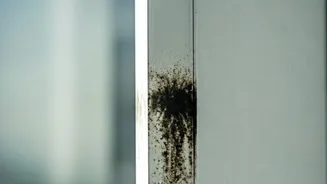









Control Your Home's Humidity
Mould needs moisture to grow, which is why managing humidity is your first line of defence. High humidity, common during India's monsoon season, creates the perfect breeding ground for mould spores. The ideal indoor humidity level is between 30% and 50%.
You can measure this with a small, inexpensive device called a hygrometer. To reduce humidity, use dehumidifiers, especially in damp areas like basements and bathrooms. Running your air conditioner also helps by cooling the air and removing excess moisture. Even simple actions like covering pots while cooking and not overwatering indoor plants can make a difference.
Prioritise Good Ventilation
Stagnant, moist air is a mould's best friend. Proper ventilation circulates fresh air, expels moisture-laden air, and prevents the build-up of condensation on walls and windows. Make it a daily habit to open windows and doors to allow for cross-ventilation, especially in the morning. Always use exhaust fans in the kitchen when cooking and in the bathroom when showering to draw moisture outside immediately. If you don't have exhaust fans, opening a window for a short time will help. Also, ensure furniture is not pushed directly against walls; leaving a small gap allows air to circulate and prevents hidden mould growth.
Clean Up Spills and Leaks Promptly
The rule of thumb is to dry any water-damaged areas within 24 to 48 hours to prevent mould spores from taking hold. This applies to everything from a small spill on the carpet to a major plumbing leak. Don't let wet clothes sit in the washing machine, and avoid drying laundry indoors on radiators if possible, as this releases a large amount of moisture into the air. Regularly inspect areas prone to leaks, such as under sinks, around toilets and washing machines, and near windows. Fixing even a small drip can prevent a large mould problem down the line.
Conduct Regular Home Inspections
Mould often grows in hidden places, so you need to be proactive in looking for it. Regularly check common hotspots like basements, attics, crawl spaces, and inside closets. Look for signs of water damage, such as stains on walls or ceilings, peeling paint, or a musty smell. Air conditioning ducts are another common but hidden source of mould; a musty odour when the system is on can be a red flag. Cleaning gutters and ensuring downspouts direct water away from your home's foundation is also a crucial preventative step.
Be Smart About High-Moisture Zones
Kitchens and bathrooms are natural hotspots for moisture and require special attention. In the bathroom, wipe down shower walls and doors after use and keep the floor dry. Consider using a shower curtain you can easily wash. In the kitchen, always use an exhaust fan or chimney when cooking to manage steam. Keep these areas as clean and dry as possible. Regular cleaning with anti-fungal solutions in these prone areas can also help keep mould at bay.