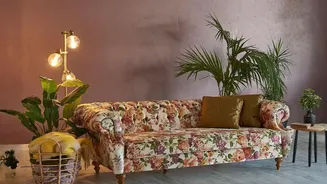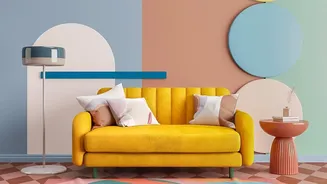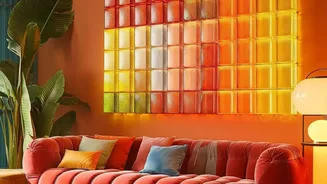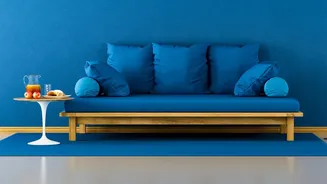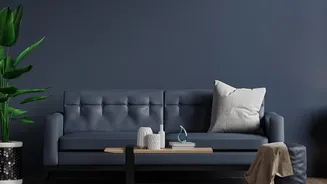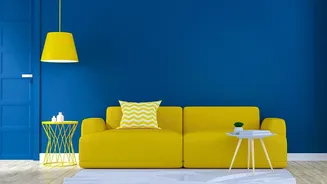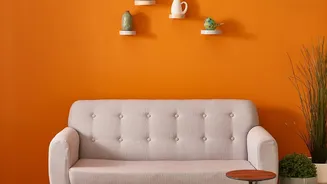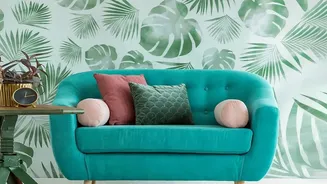



Welcome to the Bold-Sofa Revival
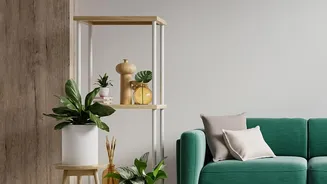
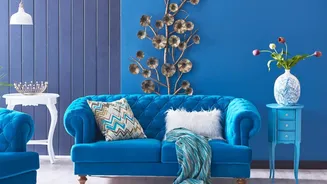
Forget boring beige and predictable grey. Interior design in 2026 is embracing personality and comfort, with the sofa taking centre stage. This trend is less about a single colour and more about an attitude. It manifests in several ways: deeply saturated
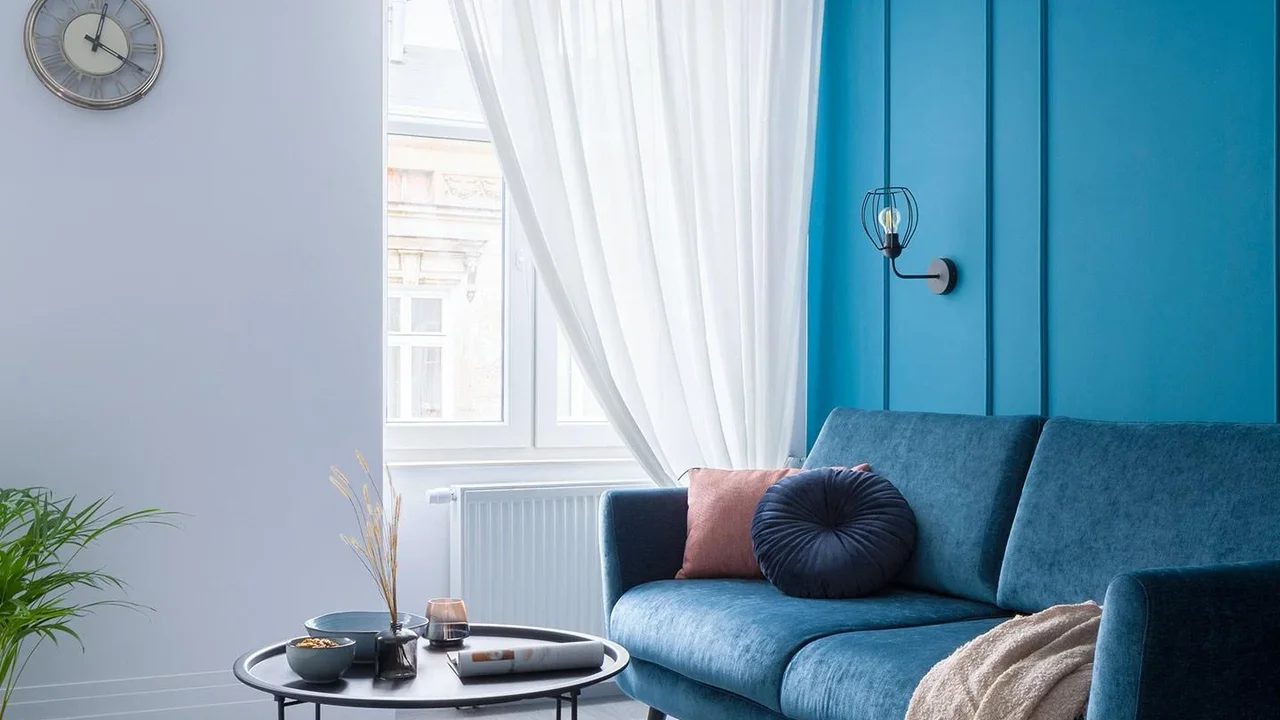
jewel tones like emerald and plum, warm earth tones like terracotta and clay, and even patterned fabrics are making a comeback. Beyond colour, the revival champions sculptural and curved shapes that move away from boxy, traditional designs. These sofas are meant to be conversation starters, functional art pieces that anchor a living space with confidence and style. They reflect a collective desire for homes that feel both comforting and expressive.
The Golden Rule: Understanding Room Scale
Before you fall in love with a statement piece, you must understand the concept of scale. In interior design, scale refers to how the size of an object relates to the size of the room it’s in. It’s about ensuring furniture fits comfortably within the space, rather than overwhelming it or getting lost. A massive, deep-seated sectional might look incredible in a spacious showroom, but in a small apartment, it can feel intrusive and make the entire room feel cramped. Conversely, a small, delicate sofa can feel unfinished and out of place in a large, open-plan living area with high ceilings. Getting the scale right is the quiet, structural secret to a room that just feels 'right'.
Measure Twice, Buy Once
The most common and costly mistake is failing to measure properly. Start by measuring the dimensions of your room, including the wall where the sofa will live. A good rule of thumb is that a sofa should take up approximately two-thirds of the wall it's placed against. But don't stop there. Use painter's tape to outline the sofa's footprint on your floor. This gives you a real-world visual of how much space it will occupy and how traffic will flow around it. Also, measure doorways, stairwells, and hallways. The most beautiful sofa in the world is useless if you can't get it into your home. Consider visual height as well; a low-profile sofa can make a room with low ceilings feel taller, while a high-backed sofa can help anchor a room with grand proportions.
Balancing Your Bold Choice
A bold sofa is the star of the show, which means the other elements in your room need to play a supporting role. If you choose a sofa in a vibrant colour, surround it with a more neutral palette on the walls and floors. This allows the sofa to pop without creating visual chaos. You can then pull the statement colour into the rest of the room in small doses—through a piece of art, a decorative cushion on another chair, or a vase—to create a cohesive look. Texture is also your friend. If your sofa is a rich velvet, complement it with other textures like a chunky knit throw, a smooth leather accent chair, or a woven rug to add depth and interest to the space.
Common Pitfalls to Avoid
One of the biggest mistakes is forgetting about comfort for the sake of style. Always test a sofa if you can. Sit on it the way you would at home—do you like to lounge with your feet up, or sit upright? The seat depth and cushion firmness should match your lifestyle. Another pitfall is choosing a bold pattern that you may tire of quickly or that clashes with other elements like your rug or curtains. If you're drawn to pattern, consider starting with a smaller piece like an armchair. Finally, be realistic about your life. A light-coloured, delicate fabric might be beautiful, but it's a risky choice in a home with pets or young children, even with the rise of performance fabrics.