





A New Member of the Family
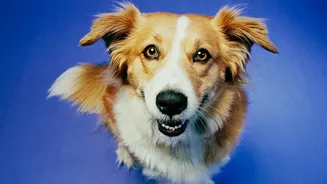
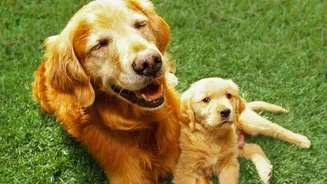
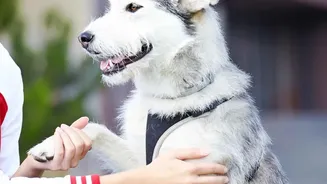
The single biggest driver behind this change is a profound cultural shift in how Indians view their pets. Across the country, the trend of 'pet humanization' is taking firm root. An estimated 57% of Indian pet owners now consider their pets to be family
members, with another 16% viewing them as their own children. This emotional bond, especially strong among younger millennials and Gen Z in nuclear family setups, has transformed pet ownership from a functional relationship to one of deep companionship. As a result, parents are no longer content with just providing basic food and shelter; they are actively seeking high-quality nutrition, preventive healthcare, and wellness services to give their animal companions the best life possible, fueling demand in new markets.
The Digital Bridge to Better Care
Technology has been the great equalizer, breaking down the geographical barriers that once limited access to quality pet care. The boom in e-commerce and the rise of quick-commerce platforms have made premium and specialized pet foods widely available, even in remote areas. Online orders for pet care products are surging, with one report noting a 95% increase in FY25, driven by demand that is rapidly expanding into Tier-2 and Tier-3 cities. Data from Instamart showed a staggering 96% year-on-year growth in pet care orders from non-metro cities between 2025 and 2026, with places like Guwahati, Meerut, and Madurai leading the charge. Beyond products, veterinary telehealth is emerging as a critical service, connecting pet parents in underserved areas with licensed vets for consultations, follow-ups, and advice, with the market in India projected to grow at over 25% annually.
Startups Heed the Call
Sensing the opportunity, a new wave of pet-tech startups and established brands are moving aggressively into these emerging markets. While metros like Bengaluru and Delhi remain the largest markets, companies are recognizing that the next phase of growth lies in smaller cities. Brands like Drools have built extensive distribution networks with over 40,000 points of sale to reach pet parents beyond urban centres. Digital-first platforms such as Supertails are complementing their tele-vet services and online stores with physical clinics, starting in Bengaluru with plans for wider expansion. These companies are building entire ecosystems around pet parenting, offering everything from vet-approved nutrition plans to grooming, training, and wellness products, making comprehensive care more accessible than ever.
From Basic to Boutique Services
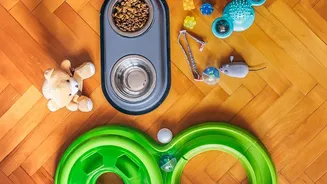
The expansion is not just about availability, but also about variety. Where a single, all-purpose vet clinic might have been the only option, pet parents in smaller cities can now access a growing range of specialized services. This includes everything from breed-specific and functional diets that address issues like joint health and allergies to professional grooming and spa treatments. The demand for premium products is rising, with searches for items like 'grain-free pet food' and 'dog shampoo' surging online. This diversification shows a market that is maturing rapidly, moving beyond basic needs to cater to a more informed and discerning consumer base that is willing to invest in their pet's long-term health and happiness.
The Road Ahead
Despite the incredible progress, challenges remain. The distribution for non-food items like accessories and grooming products is still fragmented in many areas, and affordability can be a constraint. Furthermore, while the pet population in India is estimated to be over 39 million, a vast majority of nutritional needs are still met by home-cooked meals rather than commercially produced food, indicating a long road ahead for market penetration. However, the direction of travel is clear. The convergence of rising disposable incomes, the powerful trend of pet humanization, and the reach of digital technology is creating a robust and expanding pet care ecosystem across India.