


Why Neem Oil is a Monsoon Essential
Neem oil, a natural extract from the seeds of the neem tree, is a cornerstone of organic gardening. Its power lies in the active compound Azadirachtin, which disrupts the life cycle of many pests. It doesn't just kill them on contact; it also acts as
a repellent and stunts their growth, preventing future generations from taking over. During the Indian monsoon, the high humidity and constant moisture create a perfect breeding ground for pests like aphids, mealybugs, whiteflies, and various fungal diseases. Using a well-prepared neem oil spray can protect your plants from these seasonal threats in a way that is biodegradable and safe for the environment when used correctly.
The Crucial Step: Understanding Emulsification
Here's the most common mistake gardeners make: simply adding neem oil to water and spraying. Oil and water don't mix. Without a binding agent, the oil will either float on top or form concentrated droplets. When sprayed, this leads to uneven coverage—some leaves get no protection, while others receive a concentrated dose of oil that can block their pores (stomata) and, when exposed to sunlight, cause severe burns or 'scorching'. Emulsification is the process of using a gentle agent, like soap, to break the oil into microscopic droplets that can remain evenly suspended in water. This creates a stable, milky solution that coats leaves uniformly and safely.
Your Simple Toolkit for the Perfect Spray
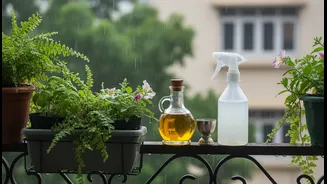
You only need three simple ingredients to create an effective neem oil spray. First is high-quality, cold-pressed neem oil. The cold-pressing process ensures the pest-fighting compound Azadirachtin remains intact and potent. Second, you need an emulsifier. A gentle, mild liquid soap without bleach, degreasers, or heavy fragrances is ideal. Pure castile soap is a popular and safe choice for plants. Finally, you'll need warm water, which helps the oil and soap mix more easily. Using distilled or filtered water is best, as tap water can sometimes contain minerals that affect the solution.
The Step-by-Step Mixing Guide
Creating a safe and effective spray is all about the right ratio and order of operations. For a standard 1-litre batch, follow this simple recipe: 1. Start with 1 litre of warm water in a spray bottle. 2. Add 1-2 ml (about 1/3 of a teaspoon) of your chosen mild liquid soap to the water. Do not add the oil yet. 3. Shake the bottle well to completely dissolve the soap in the water. You should see some light suds form. 4. Now, add 5 ml (1 teaspoon) of cold-pressed neem oil to the soapy water. This creates a 0.5% solution, which is gentle enough for regular use. 5. Seal the spray bottle and shake it vigorously. The mixture should turn a milky, uniform colour, indicating the oil has successfully emulsified. If you still see oil floating on top, it has not mixed properly. Always use the spray within 8 hours, as the Azadirachtin starts to break down after this period.
Best Practices for Safe Application
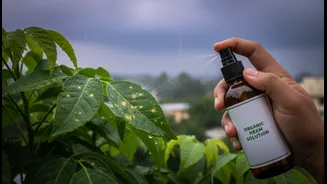
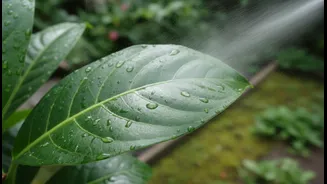
How and when you spray is just as important as how you mix. To avoid leaf scorch, always apply your neem solution in the early morning or late evening. Applying it in direct sunlight or high heat can cause the oil to heat up and burn the leaves. Before treating an entire plant, always perform a patch test: spray a small, inconspicuous leaf and wait 24-48 hours to check for any signs of damage like yellowing or spotting. When you spray, be thorough. Pests like aphids and mealybugs often hide on the undersides of leaves, so ensure you coat all surfaces. Avoid drenching the plant to the point of heavy runoff. A fine, even coating is all that is needed. For active infestations, apply the spray every 7 days. For preventative care during the monsoon, a spray every 14 days is sufficient.