



Why Repotting Is a Plant's Best Friend
Over time, the soil in a pot becomes tired. Your plant absorbs all the good stuff, leaving the potting mix depleted of essential nutrients. Simultaneously, the soil structure can break down and become compacted. This leads to poor drainage, where water
either runs straight through without being absorbed or sits at the bottom, risking root rot. A fresh batch of potting soil provides a nutrient boost and improves aeration and water retention, giving your plant's roots the healthy environment they need to support new growth. Repotting is like moving into a bigger, better home with a fully stocked pantry.
Top Signs Your Plant Needs a New Home
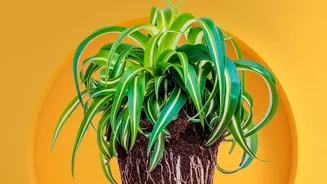
Plants are good at giving us clues when they're unhappy in their current pot. The most obvious sign is seeing roots growing out of the drainage holes at the bottom. Another clear indicator is a root-bound plant, where the roots have formed a dense, tangled mass with little soil visible. You might also notice that the soil dries out extremely quickly after watering, forcing you to water more frequently. Stunted or smaller new leaves and a general lack of growth during the spring and summer growing season are also cries for help. If a plant has been in the same pot for over 18 months, it's likely time for a refresh, even without these dramatic signs.
Gathering Your Repotting Toolkit
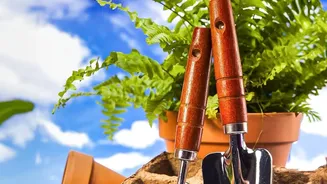
Before you start, it's best to have everything you need on hand. This makes the process smoother and less stressful for both you and your plant. You will need a new pot, high-quality potting mix, and a few simple tools. Choose a new pot that is only about one to two inches wider in diameter than the current one; a pot that's too large can hold excess moisture and lead to root rot. Ensure the new pot has drainage holes. Select a fresh, well-draining potting mix appropriate for your specific plant type. Having some gardening gloves and a small trowel or scissors can also be helpful.
Step-by-Step Guide to a Happy Repot
Once you have your supplies, find a space where you can make a bit of a mess. First, gently remove the plant from its old pot. It can help to turn the pot on its side and tap the edges to loosen it. Once the plant is out, carefully inspect the roots. Gently tease and loosen any that are tightly wound in a circle. If you see any brown, mushy, or dead roots, trim them off with clean scissors. Place a layer of fresh potting mix in the bottom of the new pot. Position your plant in the center, ensuring it sits at the same depth it was in the old pot. Fill the space around the root ball with more fresh mix, gently firming it down to remove large air pockets. Leave about an inch of space at the top to make watering easier.
Aftercare: Helping Your Plant Settle In
A newly repotted plant can experience some mild 'transplant shock', showing signs like slight wilting. This is normal. To help it recover, place the plant in a spot with indirect light, avoiding harsh sun for a week or two. Most plants should be watered thoroughly right after repotting to help the soil settle around the roots. However, if you were dealing with root rot, it's better to wait a few days before watering. Avoid fertilising for at least four to six weeks, as fresh potting mix contains enough nutrients and you don't want to burn the sensitive, recovering roots. Be patient, and soon you'll be rewarded with new, healthy growth.