



Beyond the Syrupy Status Quo
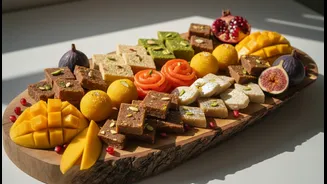
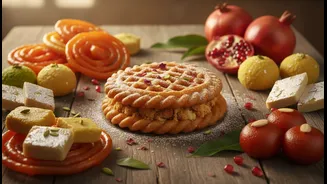
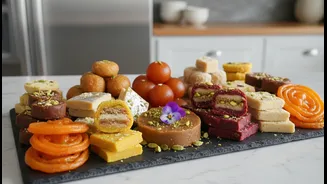
For generations, Indian sweets have been synonymous with celebration, devotion, and joy. The sight of a colourful box of mithai — from glistening jalebis to dense, fudgy barfis — evokes memories of festivals and family gatherings. Yet, for all their cultural
significance, traditional Indian sweets have often been characterized by their unapologetic richness and intense sweetness, a result of generous amounts of ghee, mawa (milk solids), and sugar. While beloved, this profile has sometimes felt out of step with contemporary palates that are increasingly leaning towards subtlety and wellness. Today's consumers, more health-conscious and globally exposed, are seeking options that don't compromise on flavour but offer a more balanced experience.
The New Wave of Mithai Makers
Enter a new generation of artisanal mithai makers who are leading a quiet revolution. Brands like Bombay Sweet Shop, Khoya, Arq, and Gur Chini are at the forefront of this movement, treating mithai not as a static tradition but as a canvas for innovation. Their philosophy is simple: honour the roots of Indian confectionery while infusing it with modern techniques and a global perspective. This often involves a significant reduction in refined sugar, instead using natural alternatives like jaggery, dates, honey, and figs. By focusing on high-quality, natural ingredients and doing away with artificial flavours and preservatives, these chefs are creating sweets that are both delicious and more aligned with a mindful lifestyle.
From Ghee and Sugar to Gourmet Flavours
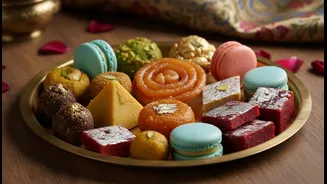
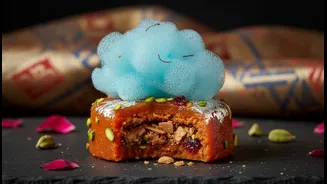
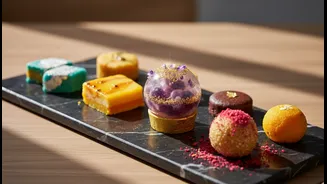
The result is an exciting array of sweets that surprise and delight the palate. Traditional recipes are being deconstructed and reimagined with unexpected flavour pairings. Imagine a classic motichoor ladoo infused with lavender, a besan barfi spiked with coffee and hazelnut, or a creamy barfi that combines the flavours of matcha green tea. Some creators are blending Indian sweets with Western dessert concepts, resulting in hybrids like gulab jamun cheesecake or rasgulla tiramisu. Brands like Saugaat by Bikanervala have introduced creations such as a lemon-flavoured ladoo, while others are incorporating dark chocolate, goat cheese, and even amla (Indian gooseberry) into their offerings. These innovations are not just gimmicks; they are thoughtful explorations of texture and flavour that elevate mithai into a gourmet experience.
Wooing a New Generation
This modern approach is successfully capturing the attention of new audiences. Health-conscious consumers are drawn to sugar-free and protein-rich options, such as ladoos made from nuts, seeds, and millets like ragi. Younger Indians and the diaspora, who may have felt disconnected from the overly sweet mithai of their childhood, are finding a renewed appreciation for these refined versions that speak to their contemporary tastes. Furthermore, the sophisticated flavour profiles and elegant presentation are attracting a global audience, positioning Indian sweets on the international culinary map alongside French macarons and Belgian chocolates. This evolution helps preserve a rich culinary heritage by making it relevant and desirable for future generations.
Presentation Gets a Polished Makeover
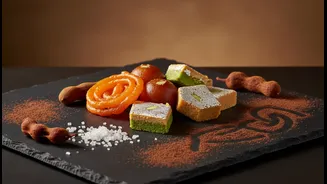
In the age of social media, aesthetics are as important as taste, and new-age mithai makers understand this well. Gone are the days of simple cardboard boxes. Today's artisanal sweets are presented in exquisitely designed, premium packaging that makes them perfect for gifting. The sweets themselves are often miniature works of art, with intricate designs, vibrant natural colours, and delicate garnishes. This focus on visual appeal transforms the act of giving and receiving mithai into a luxury experience, making the sweets not just a treat for the palate, but also for the eyes.