









The Hidden Danger in Your Garden
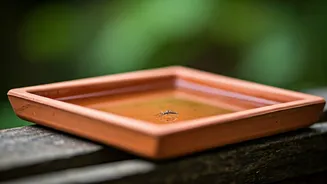
For many, a collection of potted plants is a source of joy. But lurking beneath the soil and foliage is a significant public health threat. The saucers or trays placed under pots to collect excess water are ideal breeding grounds for the Aedes aegypti
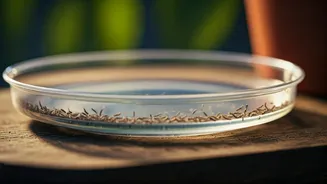
mosquito. This species, which bites during the day, is the primary carrier of debilitating diseases like dengue, chikungunya, and Zika. A small amount of stagnant water, no deeper than a coin, is all it needs to lay hundreds of eggs. In just about a week, those eggs can hatch and develop into adult mosquitoes, ready to spread disease. Surveys by municipal health departments have consistently identified plant pot trays as one of the top breeding sites in residential areas, sometimes accounting for a significant percentage of all larvae found.
A New Focus for Civic Bodies
In response to recurring outbreaks, municipal corporations across the country are intensifying their focus on these seemingly innocent household items. The new planning isn't just about general advice; it involves targeted campaigns, door-to-door inspections, and in some cases, stern warnings. Health workers are being trained to specifically look for and eliminate stagnant water in pot trays, refrigerator drip pans, and other overlooked containers. In cities like Kolkata and Mumbai, civic bodies have long been aware of the issue, but recent strategies involve more proactive measures. This includes public awareness drives using leaflets and speakers, and empowering residents to become the first line of defence by practising simple weekly routines.
Simple Steps, Big Impact
The core of the strategy is source reduction, which experts agree is the most effective way to control mosquito populations. Unlike fogging, which only kills adult mosquitoes temporarily, eliminating breeding sites breaks the life cycle. Residents are advised to adopt a weekly 'Dry Day' routine. This involves emptying and scrubbing pot saucers at least once a week to remove not just water, but also the hardy eggs that can cling to the sides and survive for months in dry conditions. Other effective measures include filling the trays with sand or fine gravel so that no water surface is exposed, or avoiding the use of trays altogether for outdoor plants where water can drain directly into the ground. For indoor plants, it's crucial to empty the saucers promptly after watering.
Why This Micro-Management Matters
Focusing on something as small as a pot tray might seem trivial, but it represents a crucial shift in public health strategy. The Aedes mosquito has adapted perfectly to urban environments, finding breeding spots in man-made containers close to human dwellings. While large-scale efforts like clearing garbage and maintaining public drains are vital, they don't address the micro-habitats inside and around homes. A single home with multiple breeding spots can contribute to an outbreak in the entire neighbourhood. By empowering and educating citizens to manage these small water collections, civic bodies are decentralizing the fight against vector-borne diseases. It acknowledges that community participation is not just helpful, but essential for success.
Beyond the Pot Tray
While pot trays are a major focus, the campaign is part of a broader call for vigilance. Health officials urge people to check all potential water collection points. This includes discarded tyres, buckets, bird baths, coolers, and even creases in tarpaulins. The message is clear: mosquitoes can and will breed in any standing water they can find. The fight against dengue and malaria is won not just by grand civic projects, but by the collective effort of individuals taking small, consistent actions in their own backyards and balconies. The pot tray has become a symbol of this new, hyper-local approach to a nationwide problem.