





The Promise of Digital Nutrition
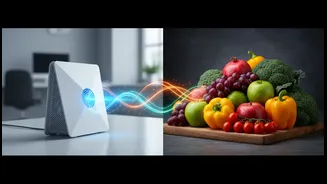
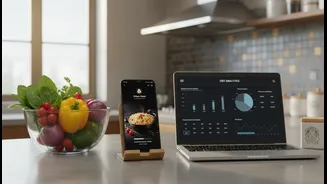
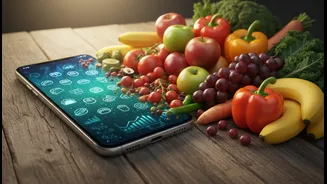
On the surface, the internet appears to be a powerful tool for nutritional empowerment. With a smartphone, millions of Indians can now access a vast library of health information, from traditional dietary wisdom to modern nutritional science. Studies
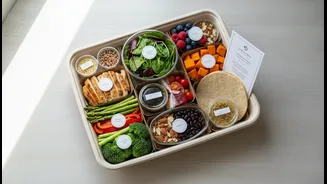
have shown that internet use can improve dietary knowledge, which may lead to better food choices. For rural residents, in particular, the web can offer exposure to a wider variety of foods and preparation methods, potentially increasing dietary diversity. Enhanced digital literacy can empower individuals, especially women, to make more informed decisions about family health and nutrition, bridging gaps in conventional healthcare access. Online communities and support groups also provide platforms for sharing healthy recipes and lifestyle tips, fostering a sense of collective well-being that was previously limited by geography.
The Rise of the Digital Food Court
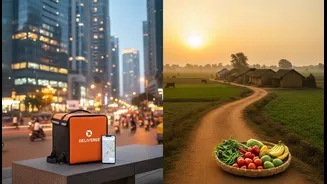
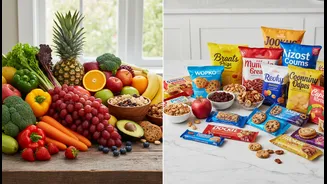
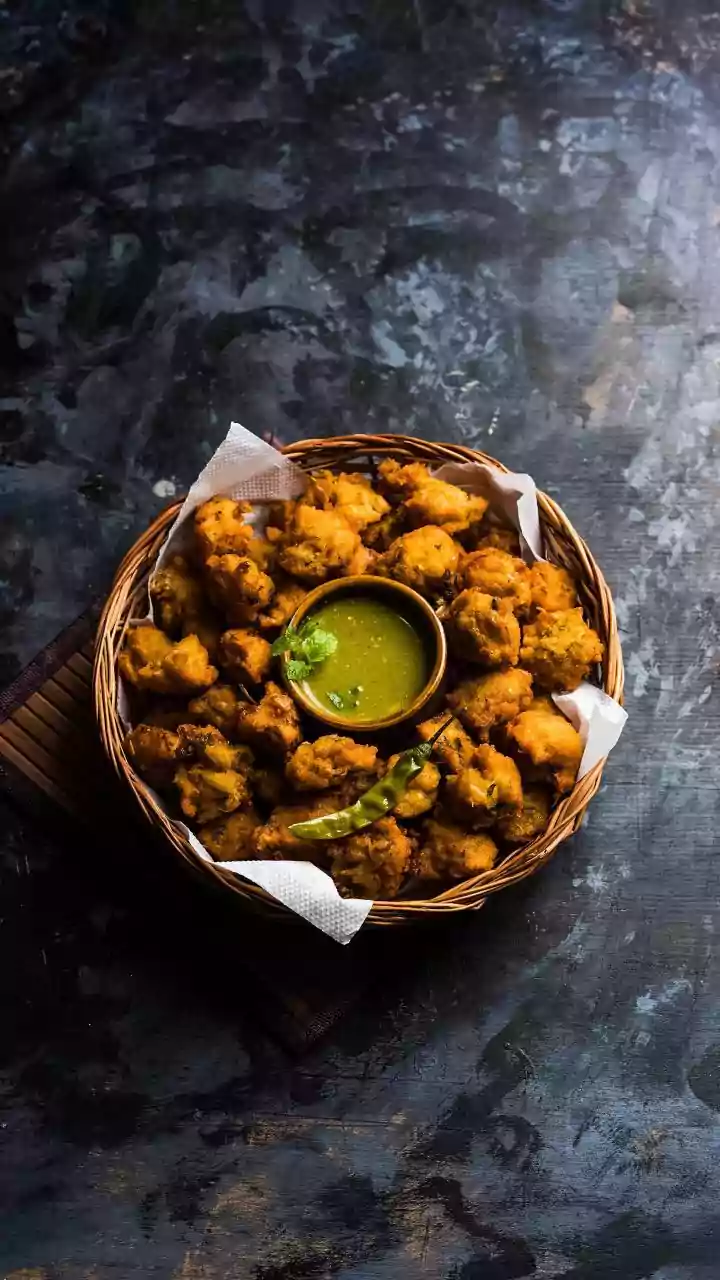
However, the same connectivity that offers nutritional databases also powers a burgeoning online food delivery market. Platforms like Swiggy and Zomato have fundamentally altered urban eating habits. While convenient, this shift has been linked to a reduced frequency of home-cooking and an increased intake of calorie-dense, ultra-processed foods. Research indicates frequent users of food delivery apps may have a higher caloric intake and reduced dietary diversity. These platforms' algorithms, designed for engagement and sales, often promote cravings and impulsive ordering, pushing convenience over nutritional balance. This creates a digital environment where the easiest food choice is often not the healthiest one, contributing to rising rates of obesity and lifestyle-related diseases.
An Infodemic of Misinformation
Beyond the battle between home-cooking and takeaways lies the challenge of information quality. The digital wellness industry operates as a largely unregulated space where uncredentialed influencers can dispense pseudo-clinical advice at scale. This “infodemic” of misinformation can create confusion and promote unfounded dietary fads, from magical weight-loss remedies to fearmongering around entire food groups. For many, social media has become a primary source for health tips, yet a significant portion of this content is inaccurate or misleading. Existing regulatory bodies were not designed to govern this new architecture of algorithmically amplified health claims, leaving consumers vulnerable. Union Minister Dr. Jitendra Singh has cautioned against this wave of diet-related misinformation, stressing the need for personalized nutrition over generalized online prescriptions.
The Great Indian Divide
The relationship between the internet and diet is not uniform across India. There is a significant digital divide in terms of access, skills, and literacy, often along urban-rural and gender lines. While urban India grapples with the over-convenience of food apps, rural areas face different challenges. India continues to struggle with high rates of undernutrition, including child stunting and wasting. For many families, food choices are driven by affordability, not a surplus of online information. Furthermore, even when access improves, digital health literacy—the ability to find, evaluate, and apply online health information—remains a barrier. Simply providing internet access does not guarantee that people can effectively sift through misinformation or translate dietary knowledge into practice, especially when nutritious foods remain economically out of reach for many.