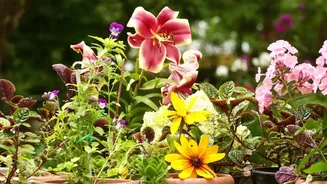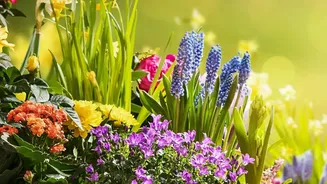


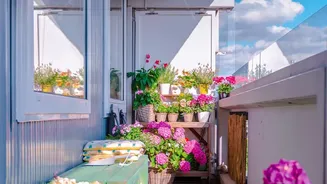
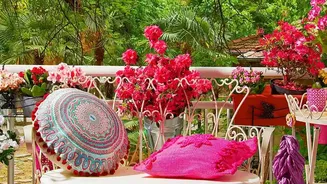
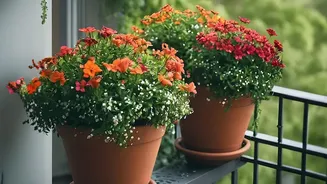
As a pleasant chill settles across India, it’s the perfect time to transform your garden into a vibrant oasis. Winter offers ideal conditions for a spectacular array of flowers that thrive in cooler weather, rewarding you with months of colour.
Marigold (Genda)
A quintessential
flower in Indian households, the marigold is incredibly easy to grow and brings a burst of bright orange and yellow. These hardy plants thrive in full sun and well-draining soil. Sowing can be done from September to October for blooms that will last through the winter. Marigolds are not just for decoration; they are excellent companion plants in vegetable patches, known for repelling pests. Water them when the top soil feels dry, but be careful not to overwater, especially in the cooler months.
Petunia
Petunias are the undisputed stars of winter balcony gardens, producing cascades of flowers in shades of pink, purple, red, and white. They are perfect for pots, window boxes, and hanging baskets. Plant them in a spot that receives at least five to six hours of sunlight. Use a light, well-draining potting mix, and water only when the top inch of soil feels dry. A little care, including the removal of spent flowers, will ensure they bloom profusely from December right through to March.
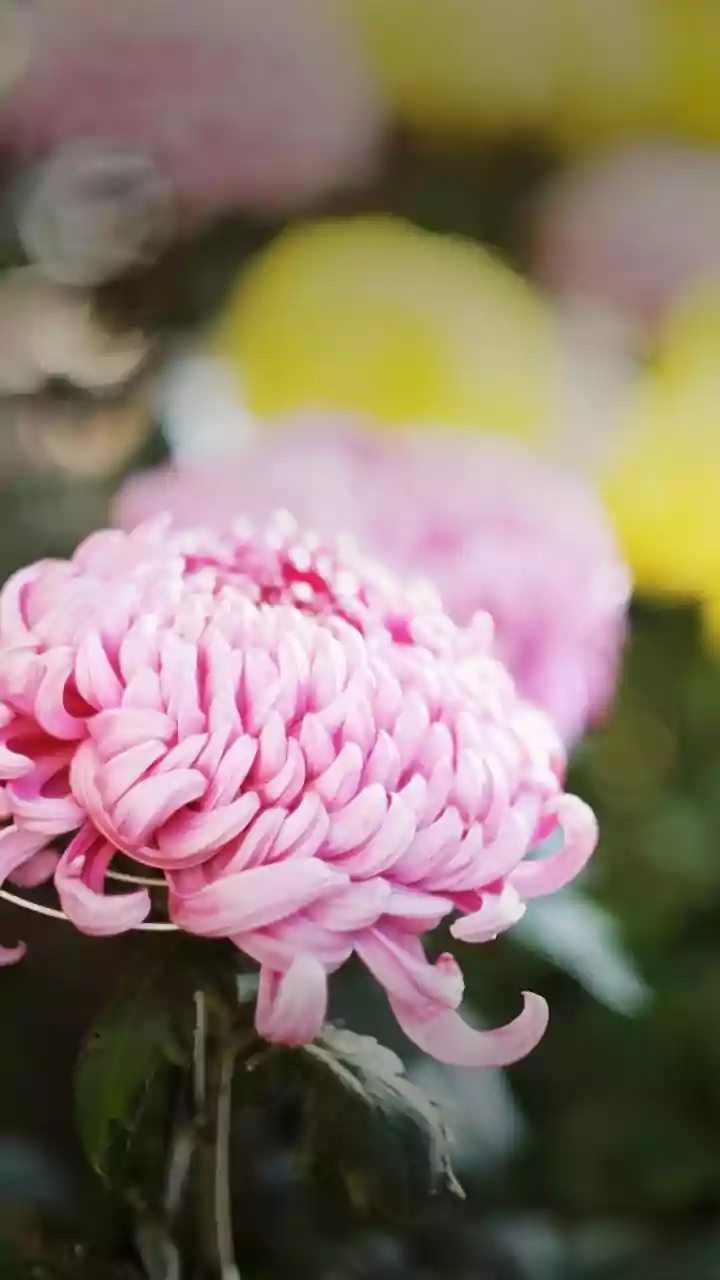
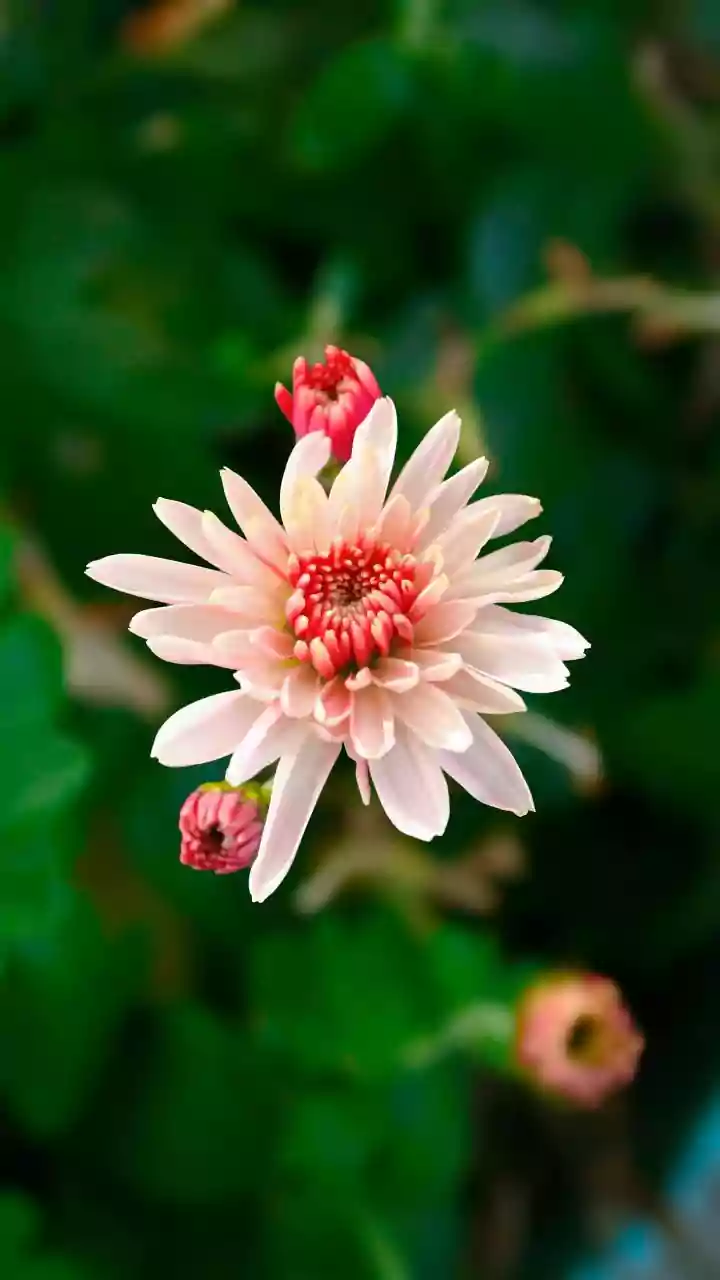
Chrysanthemum (Guldaudi)
Often called the 'Queen of Autumn', the chrysanthemum, or Guldaudi, is a winter garden classic in India. These plants produce an abundance of flowers in various shapes and colours, from pom-poms to daisy-like sprays. They are 'short-day' plants, meaning they set buds when nights get longer, which is why they flower in winter. Chrysanthemums need at least 5-6 hours of daily sunlight and well-draining soil. Water at the base when the topsoil is dry, and avoid wetting the leaves to prevent fungal diseases.
Pansy
With their charming 'face-like' patterns, pansies bring a touch of whimsy to the garden. These cool-weather flowers are available in a vast range of colours, including vibrant purples, yellows, and blues. They grow best when temperatures are mild, making India's winter ideal. Plant them in a spot with full sun or partial shade and in rich, well-draining soil. Pansies are heavy feeders, so a light liquid fertiliser every few weeks will keep them blooming happily in pots and borders.
Dahlia
Dahlias are famous for their show-stopping, multi-layered blooms that can grow to the size of a dinner plate. They come in a spectacular variety of forms and colours. Originating from Mexico, they have become a favourite in Indian gardens for their grand display. In the plains of India, tubers are best planted between October and November to allow roots to establish before winter. The plants will then start to flower from January, providing beautiful blooms for several months. They thrive in a sunny location with at least six to eight hours of direct sunlight and well-draining soil.
Calendula (Pot Marigold)
Not to be confused with the common marigold, Calendula brings its own sunny charm with bright yellow and orange daisy-like flowers. It is exceptionally easy to grow from seed and thrives in the cool, sunny days of an Indian winter. Calendula is quite adaptable and will grow in average soil, as long as it's well-drained. It’s a low-maintenance choice that blooms continuously with minimal care, and its petals are also known for being edible and having medicinal uses.
Snapdragon (Antirrhinum)
Snapdragons add a wonderful vertical element to garden beds and containers with their tall spikes of colourful flowers. The individual blooms are shaped like a dragon's snout and can be 'snapped' open, a delight for children. They are cool-season plants that bloom for a long time in Indian winters. Plant them in a sunny spot in well-draining soil. While they are technically short-lived perennials, they are most often grown as annuals and provide a fantastic display from late spring through autumn, and even through winter in colder regions.