

A Nutritional Powerhouse Returns
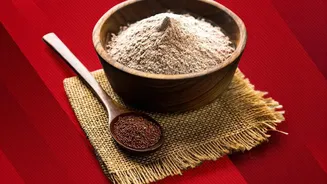
For generations, jowar (sorghum) and ragi (finger millet) were core to Indian diets before refined wheat and rice took over. Now, a growing awareness of their benefits is putting them back on the plate. These grains are naturally gluten-free, making them a great
choice for those with sensitivities. They are packed with dietary fibre, which aids digestion, promotes a feeling of fullness to help with weight management, and feeds good gut bacteria. Ragi is a standout for its high calcium content, crucial for bone health, while jowar is an excellent source of protein and antioxidants. Both have a low glycemic index, meaning they release sugar into the bloodstream slowly, preventing energy spikes and crashes and making them ideal for managing blood sugar levels.
Beyond the Bhakri: Modern Convenience
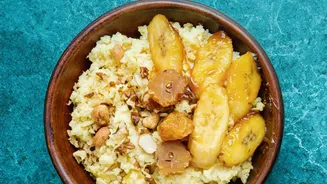
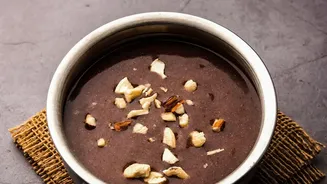
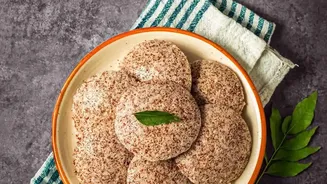
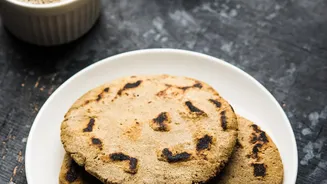
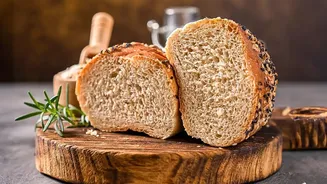
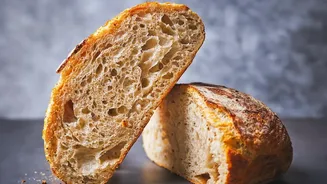
One of the biggest drivers of this trend is innovation. While traditional preparations like bhakri or mudde are still cherished, the perception of millets as time-consuming to cook is fading. Today, food brands offer jowar and ragi in forms that fit a fast-paced urban lifestyle. You can find everything from ready-to-cook dosa and idli mixes to breakfast cereals, pasta, noodles, and even pizza bases made from millet flour. Snacks have seen a major overhaul too, with healthy and tasty millet-based cookies, puffs, and energy bars replacing less healthy options, making it easier than ever for families and busy individuals to incorporate these superfoods into their daily routine.
A Push from the Top
The resurgence isn't just a grassroots movement; it's also backed by significant government support. Following a proposal by India, the United Nations declared 2023 the International Year of Millets, placing a global spotlight on these grains. Domestically, initiatives like the National Food Security Mission are promoting millet cultivation and consumption. State governments in places like Odisha, Rajasthan, and Chhattisgarh have also launched their own millet missions to revive cultivation, especially in tribal and rainfed areas. This top-down push has increased availability, raised awareness, and helped integrate millets into public distribution systems and school meals, further cementing their place in the national diet.
Good for You, Good for the Planet
The appeal of jowar and ragi extends beyond personal health to planetary well-being. Millets are climate-resilient “smart crops.” They are incredibly hardy, capable of growing in arid conditions and poor soil where crops like wheat and rice might fail. Their water requirement is remarkably low; some estimates suggest producing one kilogram of rice requires around 5,000 litres of water, while millets need just a fraction of that. They also require fewer pesticides and chemical fertilisers, which reduces the carbon footprint of farming and promotes better soil health. In an era of climate change and water scarcity, choosing millets is a sustainable choice that supports both farmers and the environment.