






Why Airflow is the Top Priority
That stale, musty smell is a tell-tale sign of mildew and mould, which thrive in dark, damp, and stagnant environments. When a wardrobe is packed tightly and kept closed, moisture from the air, or even from clothes that aren't 100% dry, gets trapped.
Without any airflow to whisk this moisture away, it settles on surfaces and fabrics, creating the perfect breeding ground for odour-causing bacteria and mould. Improving ventilation is not just about masking the smell; it’s about creating an environment where mould and mildew simply cannot grow. Good circulation helps regulate temperature and humidity, preserving your clothes and even the structure of the wardrobe itself.
Step 1: Declutter to Create Breathing Room
The first step to better circulation is to give the air somewhere to go. Overstuffed wardrobes are a major culprit behind mustiness because they block airflow entirely. Take everything out and take the opportunity to declutter. Sort items into what you truly need and use. When you put things back, leave a little space between hangers and on shelves. This small gap allows air to move freely around your clothes, preventing moisture from getting trapped in the first place and helping fabrics to breathe.
Step 2: Actively Ventilate Your Wardrobe
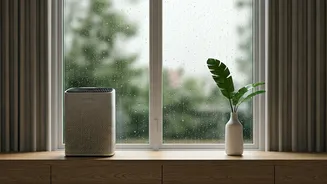
Once you've created space, make ventilation a regular habit. The easiest method is to simply leave your wardrobe doors open for 15-30 minutes each day, especially in the morning. This allows the stale, trapped air to be replaced with fresh air from the room. If you have a ceiling or standing fan, direct it towards the open wardrobe to speed up the air exchange. In rooms with poor ventilation, opening a window while the wardrobe is airing out can make a significant difference. For a more permanent solution, consider wardrobes with louvered doors, which allow for constant, passive airflow.
Step 3: Absorb Excess Moisture
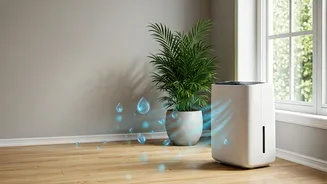
In humid climates, especially during the monsoon season, active ventilation might not be enough. This is where moisture absorbers, or desiccants, come in. These products work by pulling excess humidity from the enclosed space. You can buy commercial dehumidifier boxes or silica gel packets, which are highly effective. For a DIY approach, place a small, open bowl of baking soda, activated charcoal, or even unused chalk in the corner of your wardrobe. These natural materials are excellent at absorbing both moisture and odours. Remember to replace them every few weeks or once they become saturated.
Step 4: Clean and Deodorise Naturally
After improving airflow and controlling moisture, you need to deal with any lingering smells. Empty the wardrobe completely and wipe down all interior surfaces. A solution of equal parts white vinegar and water is excellent for cleaning and neutralising odour-causing bacteria. Make sure the wardrobe is completely dry before putting clothes back in. Wash any clothes that have absorbed the musty smell, adding half a cup of vinegar or a bit of baking soda to the wash cycle to help eliminate stubborn odours. Never store clothes or shoes unless they are thoroughly dry.
Maintaining a Fresh Wardrobe
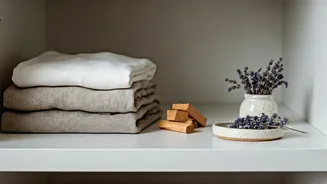
Once your wardrobe is fresh and clean, maintenance is key. Continue to air it out regularly and keep it from becoming overstuffed. To add a pleasant scent, you can use natural deodorisers like sachets of dried lavender, cedar blocks, or even a small bowl of used coffee grounds. Unlike air fresheners that just mask odours, these items can help maintain a pleasant environment. Cedar has the added benefit of absorbing moisture and repelling insects. By focusing on circulation and moisture control, you can say goodbye to musty smells for good.