






The Monsoon-Humidity Effect on Your Workout
During exercise, your body sweats to cool itself down. This process relies on evaporation. As sweat evaporates from your skin, it takes heat with it, lowering your body temperature. However, during the monsoon, the air is already saturated with moisture.
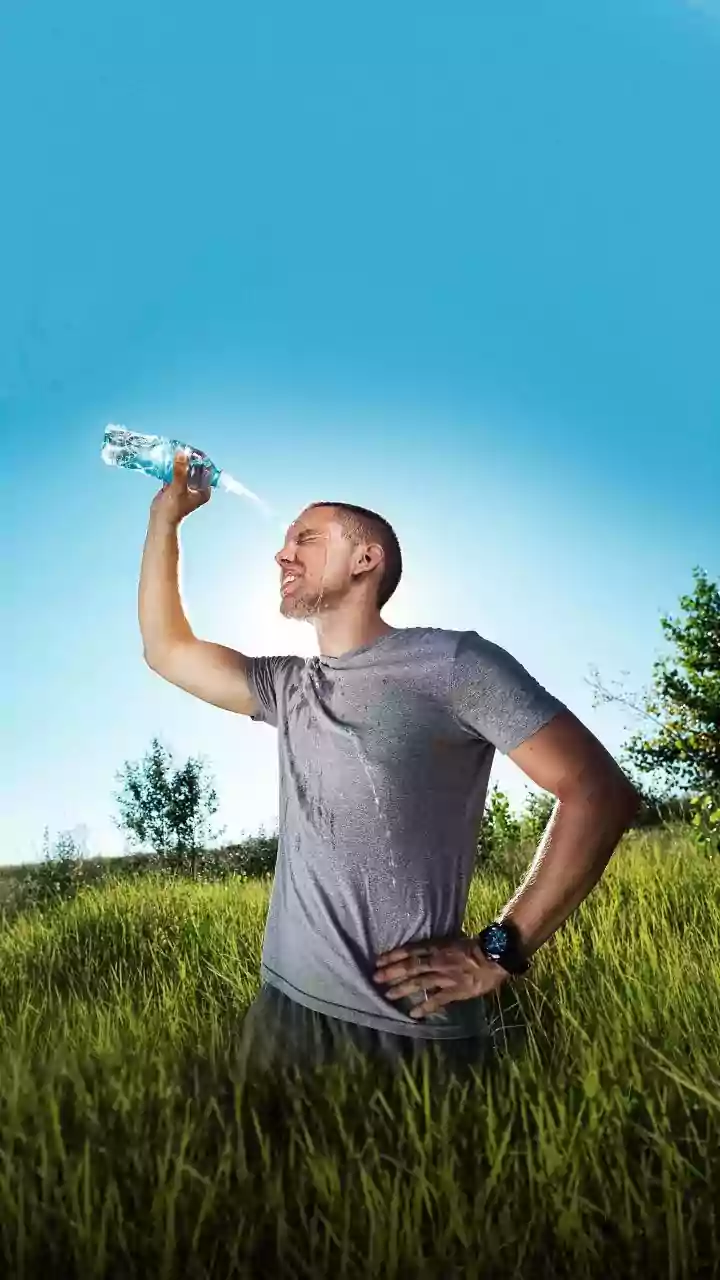
This high humidity slows down the rate of evaporation significantly. Your sweat glands continue to produce sweat, but it clings to your skin instead of disappearing into the air. This not only makes you feel hotter and stickier but can also cause your body's core temperature to rise, putting more strain on your system. As a result, you may feel like you're sweating more, even during an indoor workout, as your body works harder to cool down in the humid environment.
Why Your Body Needs Magnesium
Magnesium is a vital mineral involved in over 300 biochemical reactions in the body. It plays a crucial role in energy production, muscle and nerve function, blood sugar regulation, and maintaining a steady heartbeat. For those who are physically active, magnesium is particularly important for muscle contraction and relaxation. It helps transport oxygen to the muscles and is essential for the production of adenosine triphosphate (ATP), the body's main source of energy. Without adequate magnesium, your energy levels can dip, and your muscles may not function optimally.
The Link Between Sweat and Magnesium Loss
When you sweat, you lose more than just water; you also excrete electrolytes, which include minerals like sodium, potassium, and magnesium. While the concentration of magnesium in sweat is lower than that of sodium, significant losses can occur during prolonged or intense exercise, especially in hot and humid conditions. Strenuous exercise can increase magnesium requirements by 10-20% due to losses through sweat and urine. This effect is amplified when high humidity makes it harder for your body to cool itself, potentially leading to greater overall fluid and mineral loss over the course of a workout.
Signs You Might Need More Magnesium
A marginal magnesium deficiency can be hard to spot, but some signs might become more apparent with regular, intense exercise. The most common indicators for active individuals include muscle cramps, spasms, or weakness. Other signs can be persistent fatigue, reduced stamina during workouts, and slower-than-usual muscle recovery. While these symptoms can have many causes, if they appear consistently after sweaty, high-humidity workouts, it may be worth paying closer attention to your magnesium intake.
Replenishing Magnesium Through an Indian Diet
Fortunately, you don't need to look far to find magnesium-rich foods in a typical Indian diet. Incorporating these into your meals can help ensure your levels stay topped up. Excellent sources include legumes and pulses like rajma (kidney beans), chana (chickpeas), and various dals (lentils). Dark leafy greens such as palak (spinach) and methi (fenugreek) are packed with magnesium. Millets like bajra (pearl millet) and ragi (finger millet) are fantastic additions, as are whole grains. For snacks, a handful of nuts and seeds like almonds, cashews, and pumpkin seeds are powerful magnesium boosters.
Smart Hydration and Beyond
While water is crucial for hydration, during long or particularly sweaty workouts, you might need to replenish electrolytes as well. While many sports drinks contain electrolytes, focusing on a food-first approach is a sustainable strategy. Pairing your water intake with magnesium-rich snacks can be highly effective. For example, bananas are a good source of both potassium and magnesium. If you do opt for an electrolyte drink, check the label for magnesium content. Remember to hydrate consistently before, during, and after your workout. Drinking about 500 ml of water two hours before you start and sipping regularly throughout can make a significant difference.