


The Shift Away from Fast Fashion
A quiet but significant change is taking place in the Indian fashion landscape. While fast fashion and luxury markets continue to grow, a powerful counter-movement is emerging. This movement champions a more considered approach to style, one that prioritizes
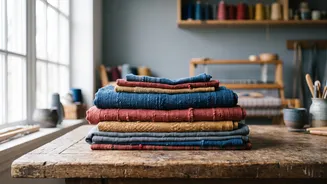
longevity and personal expression over fleeting trends. It's a philosophy known as circular fashion, which focuses on extending the life of garments through repair, reuse, and restyling. For many, this isn't a new concept but a return to a traditional Indian ethos where resourcefulness was always in style and clothes were made to last, be repaired, and passed down.
Drivers of the New Wardrobe Mindset
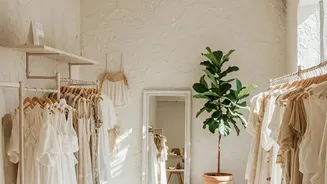
Several factors are fuelling this shift. A greater awareness of fashion's environmental impact has made 'sustainability' more than just a buzzword; it's a genuine motivator for consumers, especially younger generations. Social media has played a surprising role, normalising the act of repeating outfits and celebrating creativity over consumption. Influencers and everyday users alike share tips on how to restyle pieces, breathing new life into old favourites. This digital-age show-and-tell is amplified by a practical reality: thoughtful consumption is also a smart way to manage finances. The 'cost-per-wear' logic—where a garment's value is measured by how many times it's worn—is gaining traction, making restyling an economically savvy choice.
The Art of the Indo-Western Remix
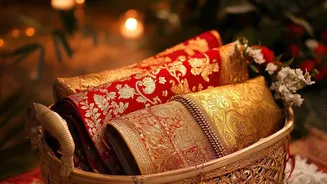
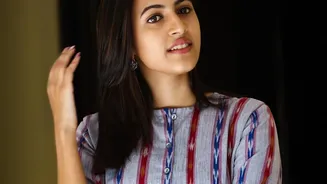
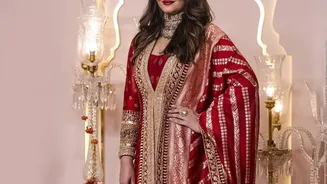
The creativity of this new approach shines brightest in the artful blending of ethnic and Western wear. It's a space where rules are fluid and personal style reigns supreme. A simple kurta is paired with classic blue jeans for a casual day out. A formal lehenga skirt finds a new, more relaxed identity when worn with a simple t-shirt or a crisp white shirt. An old Banarasi or silk saree, often too precious to discard, is ingeniously repurposed into a stunning dress, a flared Anarkali gown, or even a contemporary corset top. Even accessories are part of the game, with dupattas being used as scarves, belts, or capes to completely alter an outfit's silhouette.
A Return to Generational Wisdom
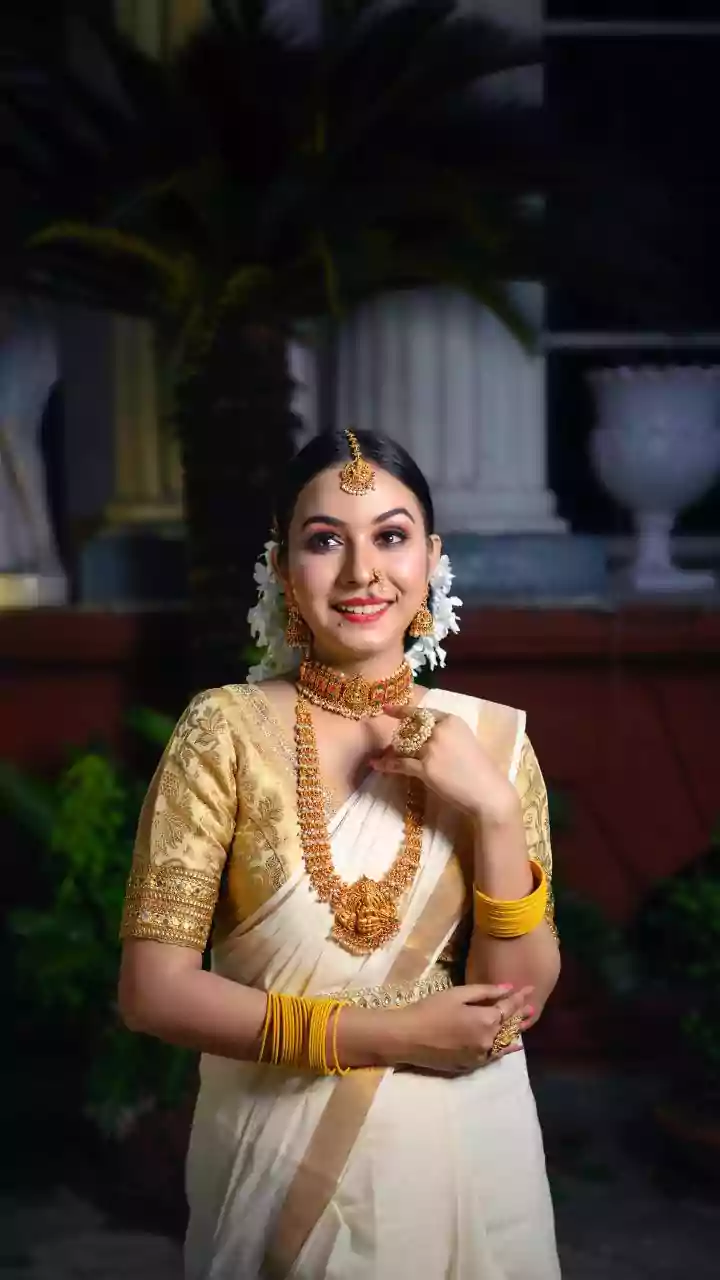
This trend is, in many ways, a modern interpretation of how our parents and grandparents approached their wardrobes. It taps into a deep-seated Indian tradition of valuing craftsmanship and making things last. Many are finding inspiration by raiding their mothers' closets, turning heirloom sarees and suits into contemporary co-ord sets or giving vintage jewellery a modern spin. This practice of upcycling is not only sustainable but also deeply personal, weaving family history into everyday style. It’s a recognition that handloom textiles and well-made garments possess a timeless quality that fast fashion can never replicate.