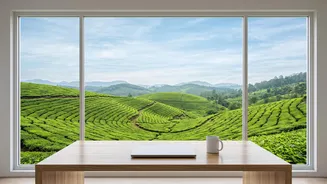





The New Workplace Has a View
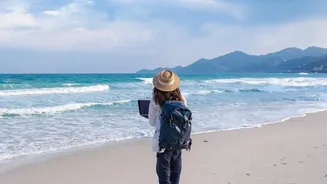
It’s called a 'workcation' or 'bleisure' travel, and it's redefining the Indian professional’s relationship with both work and travel. Instead of squeezing exploration into a few days of annual leave, remote workers are packing their laptops and setting
up office for weeks or even months in scenic destinations. This isn’t about checking emails by the pool; it's a structured lifestyle where work hours are dedicated to productivity, and evenings and weekends are for soaking in a new environment. Destinations like Goa, Rishikesh, and the hill stations of Himachal Pradesh have become popular hubs, offering a mix of reliable internet and inspiring landscapes.
What's Driving the Trend?
The primary driver is, of course, the widespread adoption of remote and hybrid work policies. With companies recognising that productivity isn't tied to a physical office, employees have gained unprecedented location independence. This flexibility is meeting a powerful post-pandemic desire for a better work-life balance and a break from the monotony of urban life. After years of being confined, many professionals are seeking to blend their work responsibilities with the mental and creative benefits of travel, turning a work trip into a more holistic experience. Surveys show Indian professionals are leading this trend in the Asia-Pacific region, taking more such trips than their global counterparts.
More Than Just a Long Vacation
For employees, the benefits are significant. A change of scenery is reported to boost creativity and reduce the risk of burnout. It allows for a deeper exploration of a place than a short holiday ever could, fostering a sense of connection and discovery. Financially, it can be a smart move, allowing workers to experience different parts of the country without putting their careers on hold or burning through their entire leave allowance. This extended stay model helps professionals find a sustainable rhythm that integrates personal well-being with professional duties, a balance that many found elusive in traditional office settings.
It’s Not Always a Paradise
Despite the idyllic images, the workcation lifestyle is not without its challenges. The most significant hurdle is often unreliable infrastructure. Inconsistent internet connectivity and power cuts can derail a workday, especially outside major tourist hubs. There is also the challenge of maintaining discipline. The very allure of a vacation spot can become a distraction, blurring the lines between work and leisure and sometimes leading to longer hours to compensate. Feelings of isolation can also creep in, as working from a temporary location can mean being disconnected from colleagues and the routine of a home community.
A Welcome Boost for Local Economies
This trend is providing a significant economic injection into tourist destinations, particularly during the off-season. Homestays, cafes, and newly established co-working spaces in towns from Manali to Puducherry are seeing a surge in business. These long-stay professionals spend money on local services, food, and activities, creating a more stable, year-round income for communities that were previously dependent on seasonal tourist booms. Some areas, like Yakten village in Sikkim, are even being developed specifically as digital nomad hubs, recognizing the economic potential of this growing movement.