






The Voice of a Generation
In the late 2000s, Ranbir Kapoor became synonymous with the modern coming-of-age story. With films like 'Wake Up Sid' (2009), he perfectly captured the angst and ambition of a generation navigating love, career, and identity in a rapidly changing India.
In 'Wake Up Sid', he was the aimless rich brat who learns responsibility, a character arc that resonated deeply with young, urban audiences. This was followed by 'Yeh Jawaani Hai Deewani' (2013), a blockbuster that cemented his status as the definitive chronicler of millennial wanderlust and relationships. His character, Bunny, who chased dreams across the globe only to find his heart back home, became an icon for viewers grappling with similar choices. These roles weren't just characters; they were conversations.
Exploring Complex Characters
While the coming-of-age tag stuck, Kapoor was simultaneously proving his versatility with far more complex roles. In 'Rockstar' (2011), he delivered a raw, gut-wrenching performance as a musician whose journey is fueled by heartbreak. The following year, he starred in 'Barfi!' (2012), portraying a deaf and mute man with a performance celebrated for its charm and emotional depth, earning him widespread critical acclaim. Films like 'Tamasha' (2015) further explored the internal conflict between societal expectation and personal passion, a theme that had become a hallmark of his most compelling work. These films showed an actor unwilling to be typecast, constantly seeking roles that challenged him and the audience's perception of a mainstream hero.
The Shift Towards Intensity
The mid-2010s marked a significant pivot. With 'Sanju' (2018), a biopic on the turbulent life of actor Sanjay Dutt, Kapoor undertook a dramatic transformation that earned him another Filmfare Award for Best Actor. However, the real turning point was 'Animal' (2023). Playing a volatile man driven by a fraught relationship with his father, Kapoor shattered his 'lover boy' image. The film was a colossal box office success, expanding his appeal to a mass audience beyond the urban centres. Though both films faced criticism for their portrayal of their subjects, they undeniably showcased Kapoor's willingness to embrace dark, morally complex characters and demonstrated his box office power in a new, more intense arena.
Entering the 'Astraverse'
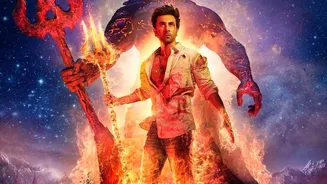
The first clear step into mythological storytelling came with 'Brahmāstra: Part One – Shiva' (2022). In this ambitious fantasy epic, Kapoor played Shiva, a DJ who discovers he is an 'astra' with pyrokinetic powers. Inspired by Hindu mythology, the film was the beginning of a planned cinematic universe, the 'Astraverse'. It was a monumental undertaking, blending modern storytelling with ancient Indian lore on an unprecedented scale. 'Brahmāstra' was not just a film but a statement of intent, moving Kapoor from relatable human stories to a world of gods and demons. His role as Shiva served as the bridge from the boy-next-door to a figure of mythical proportions, setting the stage for an even grander chapter.
The Age of Epics: Ramayana
Ranbir Kapoor’s journey culminates in his casting as Lord Ram in Nitesh Tiwari's highly anticipated magnum opus, 'Ramayana'. This two-part epic, scheduled for release starting Diwali 2026, is one of the most ambitious projects in Indian cinema history. Director Nitesh Tiwari has expressed immense faith in Kapoor's ability to portray the quiet strength and profound emotion required for the role. Taking on such a revered character is a monumental responsibility, and it marks the completion of his transition into mythological cinema. This new phase is not just about scale and spectacle; it's about an actor at the peak of his powers choosing to interpret and embody the foundational stories of a culture for a new generation.