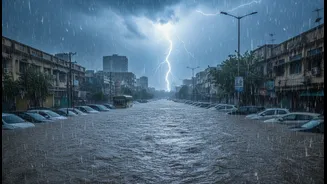


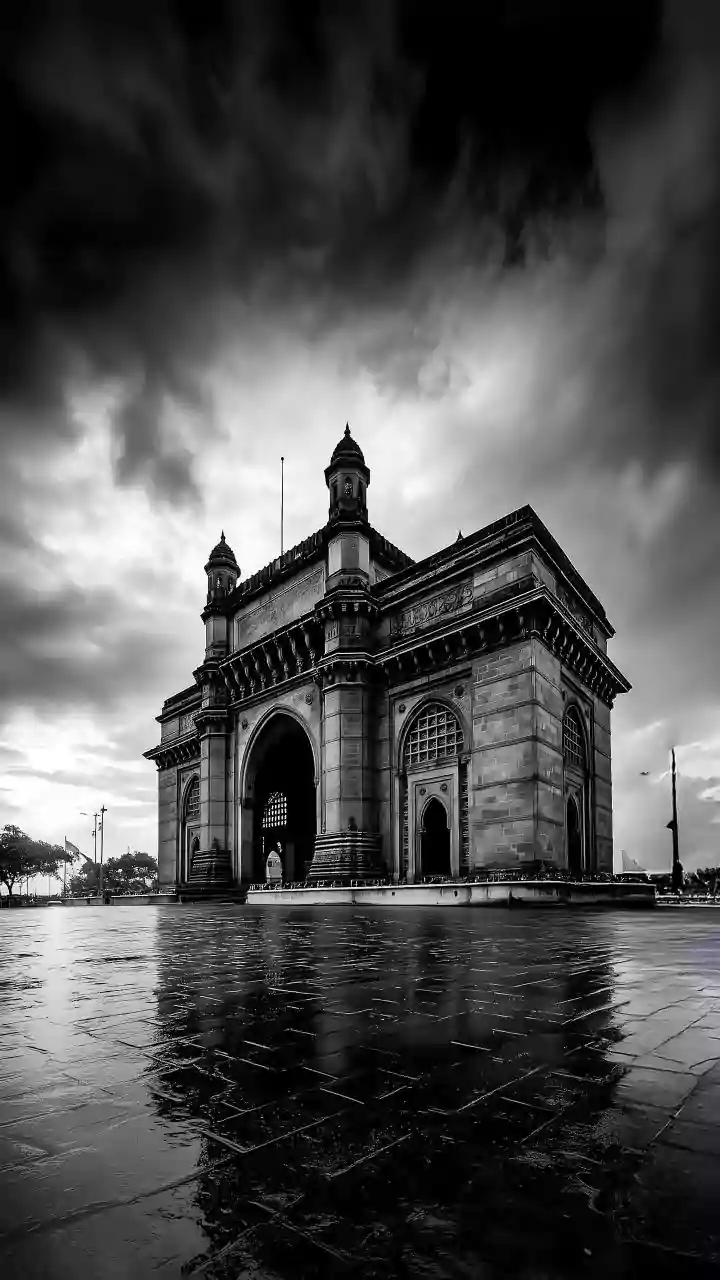





An Unprecedented Downpour
The statistics from early July are staggering. In the first week alone, meteorological records show that Mumbai received its highest rainfall for the period in 27 years. The IMD's Santacruz observatory recorded nearly 1,000 mm in just seven days, more
than what the station received in the entire month of July in the previous year. By July 6, the city had already been hit with over 60% of its average seasonal rainfall, a clear indicator of the monsoon's ferocious intensity this year. This wasn't a steady drizzle; it was a series of extremely heavy rainfall events, which experts increasingly link to changing climate patterns concentrating immense amounts of rain into short, brutal bursts.
The City at a Standstill
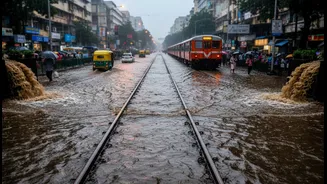
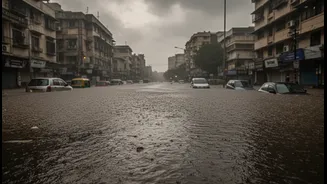
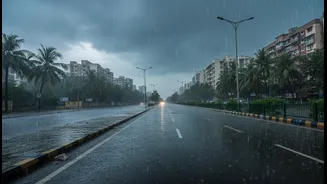
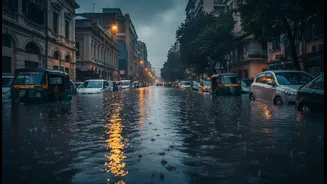
For Mumbaikars, these numbers translated into predictable chaos. The city's transport lifelines were severely crippled. Local train services on both Central and Western lines were delayed or suspended due to waterlogged tracks. Landslides in the Karjat-Lonavala ghat section severed the crucial Mumbai-Pune rail link for a period, leading to the cancellation and diversion of dozens of long-distance trains. Roads were no better, with major arterial roads and subways in areas like Andheri, Sion, and Dadar submerged, leading to gridlock. Flight operations at the international airport were also disrupted, with several flights diverted due to poor visibility and gusty winds. The deluge forced authorities to declare holidays for schools and colleges and advise private offices to allow employees to work from home.
A Lifeline for Water Supply
While the rain brought the city to its knees, it was also a much-needed blessing for its future. The intense downpour in the catchment areas significantly replenished the seven lakes that supply Mumbai's drinking water. As of July 10, the collective water stock in these lakes stood at nearly 50% of their total capacity. This represented a dramatic increase from just a few weeks prior, following a relatively dry June. By July 9, two of the smaller lakes, Tulsi and Vihar, were already overflowing. This rapid rise in water levels is crucial for ensuring the city avoids water cuts in the months ahead, highlighting the monsoon's dual role as both a disrupter and a vital source of life.
Straining the Civic Infrastructure
The extreme weather event put the Brihanmumbai Municipal Corporation (BMC) on a war footing. The civic body deployed over 10,000 personnel to manage the crisis, activating hundreds of pumping stations to drain waterlogged areas. However, the sheer volume of water, combined with high tides, overwhelmed drainage systems in many low-lying areas. Reports of tree falls, wall collapses, and landslides were common. The situation was particularly grim in the Vasai-Virar region on the city's outskirts, where relentless rain left entire neighbourhoods inundated and without power for days. These events have renewed the debate around Mumbai's urban planning, where rapid concretisation and encroachment on natural floodplains have reduced the city's ability to absorb rainwater, making it more vulnerable to flooding.