










India's Mounting Plastic Problem
Indian cities are grappling with a colossal amount of plastic waste. With rapid urbanisation and growing consumption, the country generates an estimated 3.5 million tonnes of plastic waste annually. Per capita consumption is around 11 kg and is expected
to rise. A significant portion of this waste, especially single-use plastics, is mismanaged. Estimates suggest that a large fraction of plastic waste remains uncollected, ending up in open dumps, clogging drains, and polluting urban landscapes. This creates a massive, readily available pool of pollutants waiting to be mobilised.
The Monsoon as a Force Multiplier
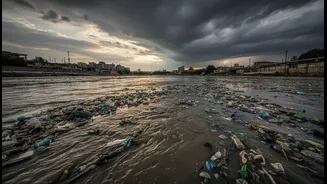
Simultaneously, the nature of the monsoon is changing. Climate change is leading to more erratic and intense rainfall events. Instead of prolonged drizzles, cities are increasingly experiencing short, destructive downpours that overwhelm outdated and choked drainage systems. Recent reports from July 2026 highlight how these intense spells cause severe urban flooding. This isn't just an infrastructure problem; these floods act as a powerful transport mechanism, picking up everything in their path, including vast quantities of plastic garbage littered across the city.
The Contamination Pathway: From Streets to Reservoirs
When torrential rain floods urban areas, it sweeps up discarded plastic bags, bottles, and packaging. The physical force of the water, combined with sunlight exposure, breaks these larger items down into smaller and more dangerous microplastics—particles less than 5mm in size. This contaminated runoff flows through overflowing drains directly into the rivers, lakes, and reservoirs that serve as the primary sources for municipal drinking water. The first flush of monsoon rain is particularly notorious for washing a high concentration of contaminants into water bodies. What was once a visible litter problem on the streets becomes an invisible menace in our water sources.
An Invisible Threat: Microplastics and Their Dangers
Once in the water supply, microplastics pose a twofold threat. First, they act like tiny sponges, absorbing harmful chemical pollutants like pesticides and heavy metals from their surroundings. Second, the plastics themselves can leach toxic additives like phthalates and Bisphenol A (BPA), which are known endocrine disruptors linked to a range of health issues. Studies show these particles can also carry harmful bacteria and pathogens on their surfaces, forming a 'biofilm'. While research into the direct health impacts of ingesting microplastics is ongoing, evidence suggests that the smallest particles can potentially cross into tissues and organs, causing inflammation and other toxic effects.
Can Our Water Treatment Systems Cope?
This brings us to the final, critical question: can our city water treatment plants (WTPs) handle this threat? The answer is concerning. While conventional water treatment processes can remove a significant percentage of microplastics, their effectiveness varies greatly, and they are not specifically designed for this purpose. Studies on Indian WTPs show removal efficiencies ranging from around 42% to over 85%, meaning a substantial number of particles can still pass through into the treated water supplied to homes. Smaller particles and fibres are particularly difficult to filter out. With influent from rivers like the Ganga already containing a notable load of microplastics, the existing infrastructure is under immense strain to deliver truly clean water.