







Understanding Push Movements
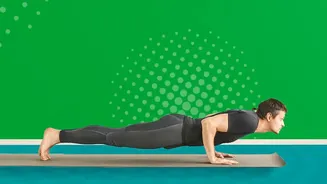
Push exercises are exactly what they sound like: movements where you are pushing resistance away from your body. These exercises primarily target the muscles on the front of your upper body. The main players are the pectoral muscles (your chest), the deltoids
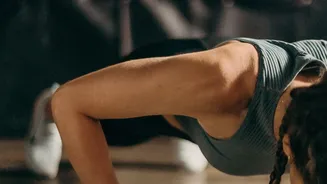
(your shoulders), and the triceps (the back of your upper arms). Think of classic exercises like the bench press, where you push a barbell away from your chest, or a standard push-up, where you push your entire torso away from the floor. Other effective push exercises include dumbbell shoulder presses, dips, and chest flys. These movements are fantastic for building raw strength and muscle mass in your chest and shoulders.
Understanding Pull Movements
Pull exercises are the opposite, involving movements where you pull resistance toward your body. These exercises are crucial for developing the muscles on the back of your body, which are often neglected. The primary muscles worked during pull exercises are the latissimus dorsi and rhomboids (your back), the trapezius (your traps), and the biceps. Popular and highly effective pull exercises include pull-ups (pulling your body toward a bar), bent-over rows (pulling a barbell toward your torso), and bicep curls. These movements are essential for building a strong back, improving grip strength, and achieving a well-rounded physique.
Why Balance is Non-Negotiable
Focusing too heavily on push exercises—a common mistake—can lead to significant muscle imbalances. When the muscles on the front of your body become much stronger and tighter than the muscles on your back, it can pull your shoulders forward, contributing to poor, rounded posture. This not only affects your appearance but can also increase your risk of shoulder pain and injury. Our modern lifestyles, which often involve sitting at desks or looking down at phones, already encourage this forward-leaning posture, making it even more important to counteract it with strength training. By incorporating an equal amount of pulling work, you ensure that the muscles around your joints develop evenly, promoting better stability, posture, and overall resilience against injury.
Structuring Your Workout Routine
There are several effective ways to integrate push and pull exercises into your weekly routine. One popular method is the "push-pull split," where you dedicate one training day to push exercises and another day to pull exercises. This allows for focused intensity and gives each muscle group ample time to recover. For example, a week could include a Push Day (chest press, shoulder press, tricep extensions), a Pull Day (pull-ups, rows, bicep curls), and a Leg Day to ensure you're training your whole body. Alternatively, if you prefer full-body workouts, you can simply ensure you include an equal number of push and pull movements in each session. A good rule of thumb for beginners is to pair one push exercise with one pull exercise, like doing a set of push-ups followed by a set of dumbbell rows.
A Sample Balanced Upper-Body Workout
For those looking for a straightforward way to start, here is a simple, balanced upper-body workout. Aim for 3 sets of 8-12 repetitions for each exercise. Push Exercise 1: Dumbbell Bench Press. This targets your chest, shoulders, and triceps. Pull Exercise 1: Dumbbell Bent-Over Row. This strengthens your lats, rhomboids, and biceps. Push Exercise 2: Overhead Dumbbell Press. This focuses on your shoulders and triceps. Pull Exercise 2: Lat Pulldowns (if at a gym) or Assisted Pull-ups. These are excellent for building back width and strength. By performing these exercises in a single session, 2-3 times per week with a rest day in between, you ensure you are working the opposing muscle groups equally. This simple structure helps build a foundation of balanced strength.