


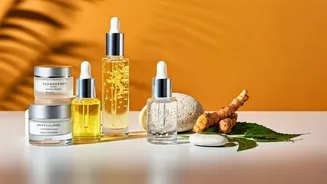




The Rise of the 'Skintellectual'
Forget celebrity endorsements and fancy campaigns; the new beauty influencer is the ingredient list itself. Gen Z consumers are leading a shift towards what industry insiders call 'skintellectualism'—a mindset that prioritises science-backed formulas
and a deep understanding of active ingredients. [6] This digitally native generation doesn't take marketing claims at face value. [2] Instead, they are becoming amateur dermatologists, armed with information from social media, 'skinfluencers', and a healthy dose of skepticism. [15] They want to know what’s in their products, how those ingredients work, and why they should (or shouldn’t) be putting them on their skin. A recent report notes that 81% of Gen Z shoppers now expect full ingredient transparency from the brands they support. [2]
From Hype to Hyaluronic: The Ingredients in Focus
The conversation has moved beyond simple 'natural versus chemical' debates to a more nuanced evaluation of efficacy. [11] Gen Z is building a new vocabulary around hero ingredients that deliver visible results. Actives like niacinamide, retinol, hyaluronic acid, ceramides, and Vitamin C are no longer just industry jargon; they're search terms. [4, 6] This generation is looking for targeted solutions for specific concerns like acne, hyperpigmentation, and skin barrier repair. [2, 4] Consequently, they are also more aware of what they want to avoid, actively shunning parabens, sulfates, and synthetic fragrances in favour of 'clean' formulations. [12] This ingredient-led approach is also spilling over into haircare, with consumers scrutinizing shampoo labels for peptides and bond-building formulas with the same intensity. [6]
The Phone Is the Ultimate Shopping Assistant
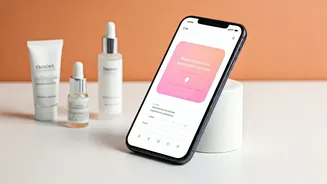
Technology is the great enabler of this trend. A host of mobile apps now function as personal cosmetic chemists, allowing users to scan a product's barcode and receive an instant analysis of its ingredient list. [5, 7] Apps like OnSkin, Yuka, and INCI Beauty are empowering consumers to decipher complex labels and flag potential irritants, allergens, or controversial chemicals. [5, 14, 22] These tools make science accessible, turning a confusing list of Latin names into a simple, color-coded verdict on a product’s safety and suitability. [5, 7] This has created a generation that trusts data over marketing slogans, forcing brands to be more accountable. [15]
A Trend with Deep Roots in India
This global phenomenon has found fertile ground in India, where Gen Z is driving significant growth in the beauty and personal care market. [13, 24] According to a recent report from Flipkart, Gen Z accounts for nearly 60% of beauty purchases on its platform. [13] This growth isn't just confined to metros; two out of every three beauty searches are coming from Tier 2 and Tier 3 cities. [13, 24] Indian consumers are increasingly interested in science-backed and ingredient-led formulations. [24] This has paved the way for a boom in homegrown brands that focus on transparency and education, often combining traditional Ayurvedic ingredients with modern, evidence-based actives. [25]
Beyond the Label: Values and Sustainability
For Gen Z, what's *in* the bottle is just as important as the values of the company that made it. This is a generation that demands more than just effective products; they expect ethical sourcing, cruelty-free testing, and sustainable practices. [10] According to one survey, 68% of Gen Z consumers say sustainability is a major factor in their purchasing decisions, and 56% are willing to pay more for it. [2] The demand for transparency now extends to the entire supply chain. [10] Brands that engage in 'greenwashing' or fail to live up to their ethical claims risk losing the trust—and business—of this discerning demographic for good. [10, 15]