


Why the First Meal Matters Most
Breakfast sets your metabolic tone for the entire day. A meal high in refined carbohydrates and sugar can cause a rapid spike in blood glucose, followed by a crash that leaves you feeling tired, foggy, and craving more snacks. The goal is not to achieve
a perfectly flat glucose line, which is unrealistic, but to create a gentle, rolling wave. A well-constructed breakfast can help you avoid that sharp spike and subsequent crash, leading to more sustained energy and better appetite control throughout the day. This is achieved by moving away from the idea of 'guaranteed' control and embracing a more flexible, fact-based approach.
Your Three Best Friends: Protein, Fat, and Fibre
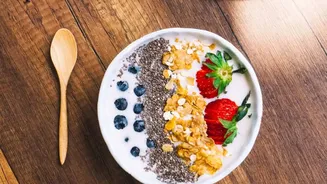
The secret to a blood-sugar-friendly meal lies in combining carbohydrates with three key nutrients: protein, fat, and fibre. These components slow down digestion and the rate at which glucose enters your bloodstream. Protein, found in eggs, paneer, and yoghurt, not only keeps you full but also stimulates hormones that help manage your body's insulin response. Healthy fats from sources like avocado, nuts, and seeds also play a crucial role in slowing gastric emptying. Fibre, abundant in whole grains, vegetables, and legumes, acts like a sponge, slowing sugar absorption and promoting fullness. Including all three is more effective than focusing on just one.
Rethinking Your Carbohydrate Choices
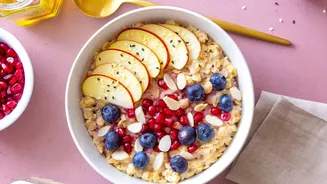
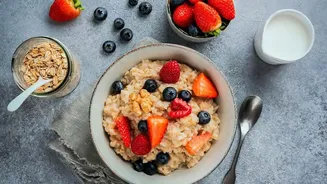
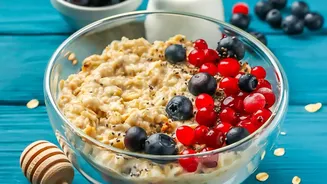
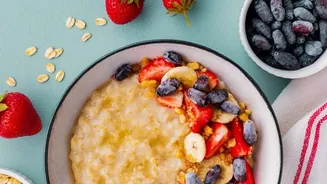
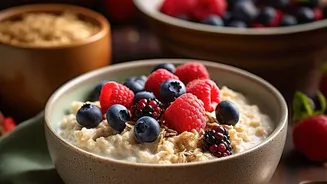
Carbohydrates are not the enemy, but the type and quantity matter immensely. Simple, refined carbs found in white bread, sugary cereals, and many pastries are digested very quickly. In contrast, complex carbohydrates from sources like steel-cut oats, millets, and whole-grain bread contain fibre that slows down their breakdown. However, even with healthy carbs, portion awareness is vital. A common mistake is over-serving 'healthy' foods like oats or poha. Using a smaller bowl or visual cues—like limiting toast to one slice or rice to what fits in your cupped hands—can make a significant difference in the meal's overall glucose impact.
Quick and Balanced Indian Breakfast Ideas
Building a better breakfast doesn't have to be complicated. Many traditional Indian dishes can be easily adapted. A Moong Dal or Besan Cheela is an excellent high-protein, low-glycemic option; adding chopped vegetables to the batter increases the fibre. Paneer Bhurji (scrambled cottage cheese) with onions and tomatoes offers substantial protein with minimal carbs. For those who enjoy poha or upma, the key is to reduce the portion of flattened rice or semolina and bulk up the dish with vegetables, sprouts, and peanuts. Even idli can be part of a balanced meal when paired with a generous serving of protein-rich sambar instead of being eaten alone.
Simple Swaps for Common Pitfalls
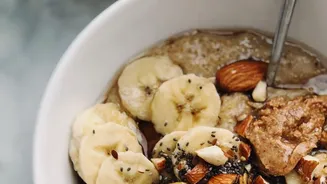
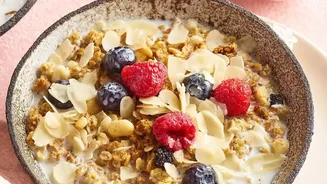
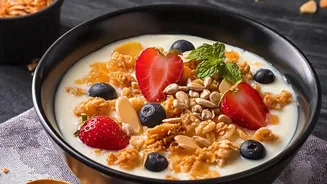
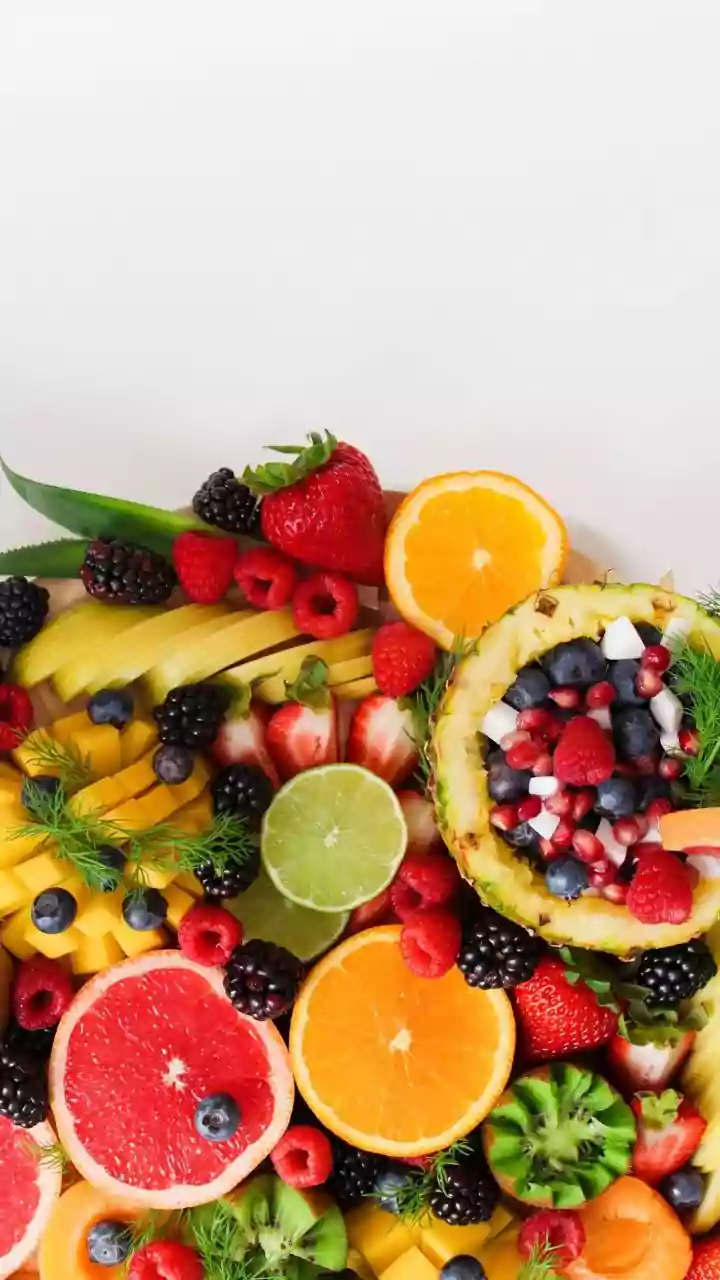
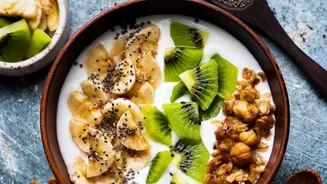
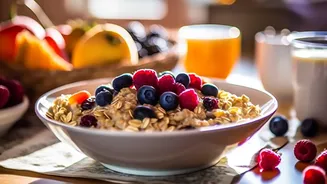
Some of the quickest breakfast options are often the worst for blood sugar. Fruit juice, for example, delivers a concentrated dose of sugar without the fibre of the whole fruit. Opt for a whole piece of fruit alongside a protein source like a handful of nuts or a cup of plain yoghurt instead. Many breakfast cereals, even those marketed as healthy, can be high in sugar and refined grains. If you enjoy cereal, choose a high-fibre, whole-grain option with no added sugar and measure your portion carefully. And instead of jam or sweet spreads, try avocado or a natural nut butter on your toast for a dose of healthy fat.