



Why the Monsoon is Magical
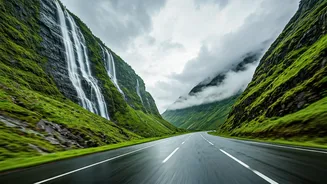
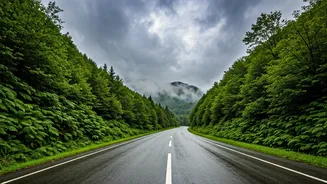
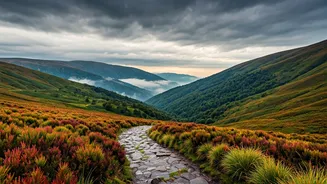
While many park their travel plans during the rains, the Konkan coast comes alive. The scorching summer heat gives way to a cool, misty embrace. The landscape, often dry and brown, erupts into a thousand shades of impossible green. Hillsides that were
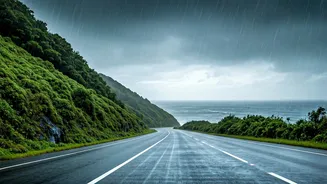
bare are suddenly streaked with roaring, temporary waterfalls. The Arabian Sea turns a dramatic, churning grey, crashing against ancient forts with a theatrical fury. This isn't a trip for sunbathing; it's an immersive experience for those who appreciate nature's raw, unfiltered power. The air is thick with the petrichor—the scent of wet earth—and the usual tourist crowds thin out, leaving you with uninterrupted views and a sense of serene solitude.
The Main Artery: NH-66
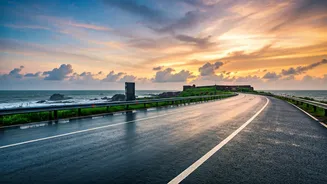
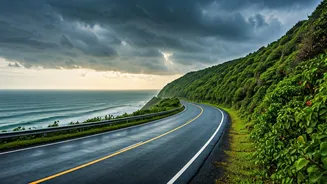
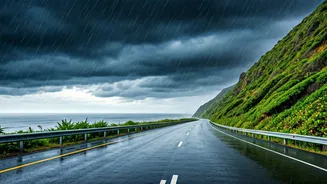
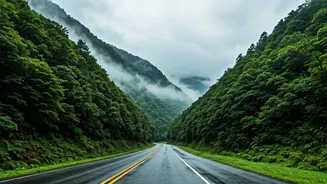
Your primary path for this adventure is National Highway 66 (NH-66), which runs parallel to India's western coast. This iconic route, formerly NH-17, snakes its way from Panvel (just outside Mumbai) all the way down to Kanyakumari, with the Mumbai to Goa stretch being the heart of the Konkan experience. While the highway has been undergoing significant widening and improvement, you'll still encounter a mix of smooth four-lane stretches and winding, two-lane roads that climb through dense ghats. The drive is not just about the destination; it's about the journey itself, with every curve revealing a new vista of paddy fields, coconut groves, and rain-slicked village roads branching off into the unknown.
First Leg: Mumbai to Chiplun
The journey begins as you escape the urban sprawl of Mumbai. The initial stretch past Panvel towards Pen and Kolad sets the tone. This is where the landscape starts to change dramatically. In Kolad, you’ll find the Kundalika River, famous for white-water rafting which runs even during the monsoon. As you press on towards Mangaon and Mahad, the Sahyadri mountains begin to loom larger. A worthwhile detour is to the Mahad Ganpati Temple and the historic Raigad Fort, though accessing the fort via its ropeway might depend on weather conditions. The drive through the Kashedi Ghat, while demanding, offers some of the most stunning valley views, with clouds often floating below you.
The Heart of Konkan: Chiplun to Ratnagiri
Chiplun, situated on the banks of the Vashishti River, is a perfect halfway point. From here, the route to Ratnagiri is pure magic. This section is less about high-speed driving and more about soaking in the scenery. Consider a detour to the coastal town of Ganpatipule. While the beach might be too rough for a swim, the sight of the waves crashing near the 400-year-old Swayambhu Ganesh Temple is a spiritual experience. The road winds through sleepy hamlets, past mango orchards (now lush and green), and over old British-era bridges. Ratnagiri itself, the birthplace of Lokmanya Tilak, offers attractions like the Thibaw Palace and the Ratnadurg Fort, which provides a panoramic view of the sea.
Southern Beauty: Ratnagiri to Goa
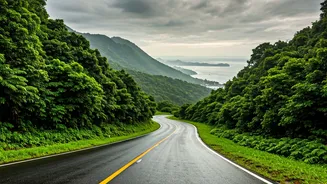
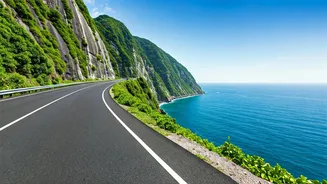
The final stretch towards Goa is arguably the most beautiful. The highway dips closer to the sea, and you have the option to take the more scenic, albeit slower, coastal roads (like the Aare-Ware road near Ratnagiri). The drive to Malvan is a highlight. Here, you can visit the incredible Sindhudurg Fort, a 17th-century marvel built on a rocky island. Nearby, Tarkarli and Devbagh offer pristine, though windswept, beaches. The water is a stunning turquoise even under a grey sky. As you continue south past Kudal and Sawantwadi, the landscape seamlessly blends into the familiar greenery of North Goa, marking a perfect end to your coastal odyssey.
Monsoon Pit Stops and Flavours
A Konkan road trip is incomplete without savouring its local cuisine, which is especially comforting during the rains. Look for small, roadside stalls selling piping hot Kanda Bhaji (onion fritters) and roasted Bhutta (corn on the cob), often seasoned with salt and lime. Don't miss out on authentic Malvani or Konkani restaurants. A warm bowl of Solkadhi, a digestive drink made from coconut milk and kokum, is the perfect accompaniment to a spicy fish curry. This is the time to enjoy fresh, steamed Modaks and the simple pleasure of a hot cup of chai while watching the rain fall.
Essential Safety Tips
Driving in the monsoon requires caution. Before you start, ensure your car is in top condition—especially your tyres, wipers, and brakes. Check the weather forecast and be aware of potential landslides, particularly in the ghat sections. Drive slowly and maintain a safe distance from other vehicles. Some low-lying areas might experience waterlogging. It’s wise to carry a basic toolkit, a first-aid kit, and some snacks and water in case of delays. Finally, avoid driving after dark if possible, as visibility can be poor and unfamiliar roads more treacherous.