


What Are Self-Watering Pots?
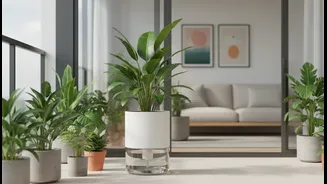
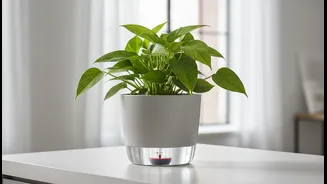
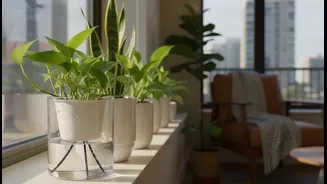
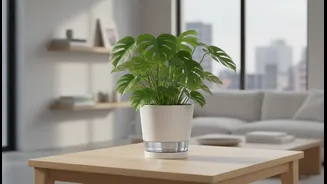
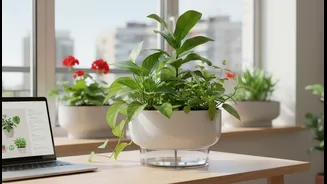
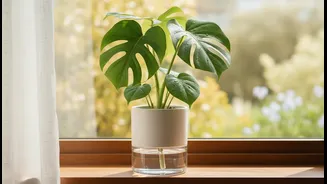
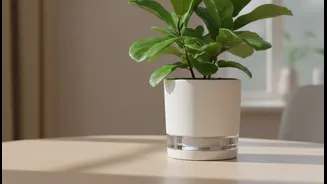
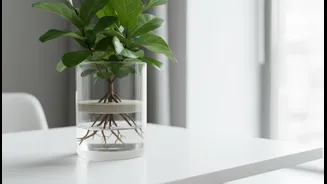
At its core, a self-watering pot is a container with a built-in water reservoir. These clever planters are designed to give plants a consistent supply of moisture without the daily guesswork. The system typically consists of an upper growing bed for the plant and
soil, and a lower water reservoir. An overflow mechanism prevents waterlogging, while a wicking system, often a simple cotton rope or a capillary mat, draws water up from the reservoir into the soil as needed. This means the plant takes exactly the amount of water it requires, directly at the roots where it's needed most.
The Science Behind the Sip
The magic behind these pots lies in a natural process called capillary action. Just as a paper towel draws up a spill, the wicking system in the pot pulls water from the reservoir into the dry potting soil. The plant's roots then absorb this moisture. This bottom-up watering method is highly efficient, mimicking how plants in nature often draw water from the water table deep below. It ensures the soil remains consistently moist but not saturated, which is a leading cause of root rot in traditionally watered plants.
A Lifesaver for the Time-Poor
The most significant benefit for any busy professional is convenience. Instead of a daily watering schedule, you may only need to refill the reservoir once a week or even less, depending on the plant and pot size. This removes one of the biggest hurdles to plant ownership and makes it possible to travel for work or a weekend getaway without returning to wilted, sad plants. This consistency also leads to healthier plants, as they are less stressed from fluctuating between being too dry and too wet. Furthermore, since water is delivered directly to the roots, there is less evaporation, making these pots a water-efficient choice.
Choosing the Right Plants
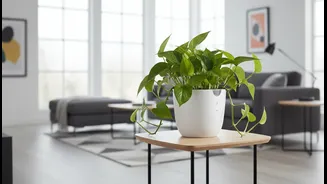
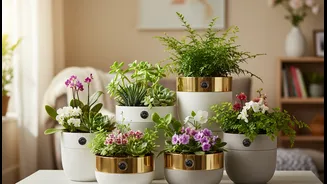
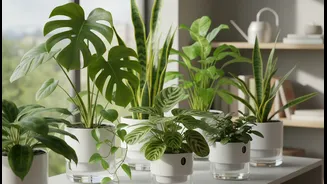
While versatile, self-watering pots are not a one-size-fits-all solution. They are perfect for plants that thrive in consistently moist soil. In an Indian context, this includes many popular indoor varieties like Peace Lilies, which are notorious for drooping when thirsty, as well as Pothos (Money Plant), Spider Plants, and various Ferns. Herbs like basil and mint also do exceptionally well. However, these pots are generally not suitable for succulents, cacti, or other plants that require their soil to dry out completely between waterings.
Tips for Success
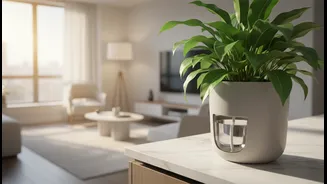
To get the most out of your self-watering system, a few tips can help. First, use a light, absorbent potting mix; heavy garden soil can become too dense and waterlogged. When you first pot the plant, water it from the top for the first couple of weeks to encourage the roots to grow downwards towards the wicking system. After that, you can rely on the reservoir. It's also a good practice to occasionally flush the soil by watering from the top to prevent a buildup of mineral salts from fertilisers. Finally, while these pots reduce maintenance, they aren't completely hands-off. You still need to check the water level indicator and refill the reservoir as needed.