


The Appeal of a Steamy Solution
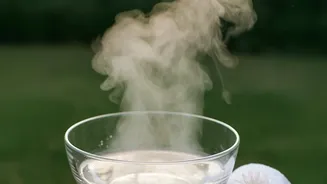
For generations, people have turned to steam inhalation to combat the misery of a blocked nose. The logic feels intuitive: breathing in warm, moist air should help loosen stubborn mucus, soothe irritated airways, and relieve sinus pressure. The act itself
can feel comforting and relaxing, providing psychological relief when you are feeling unwell. This simple, inexpensive home remedy is often the first thing we think of for colds and sinus discomfort, passed down as a reliable way to get some temporary relief and feel more comfortable while the body heals.
What Does the Science Say?
While steam inhalation can make you feel better temporarily, the scientific evidence for its effectiveness is mixed. Studies show that while it can provide short-term, subjective relief from congestion, it doesn't actually cure the underlying problem. Steam doesn't kill the viruses or bacteria causing the infection or shorten how long you are sick. In fact, a major study found that a strategy of using steam inhalation for chronic sinus symptoms was not effective for overall symptom improvement, though it did seem to help with headaches. Medical guidance often prioritizes other methods, like saline nasal irrigation, which have stronger evidence of benefit.
The Herbal Element: Soothing Scent or Cure?
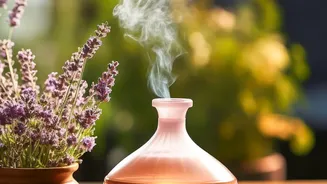
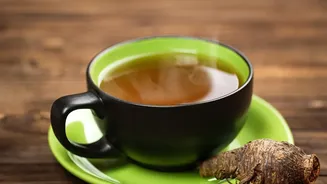
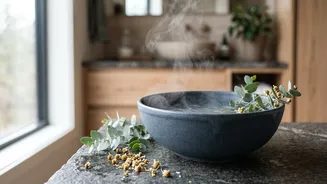
Many people add herbs or essential oils like eucalyptus and peppermint to their steam, believing it boosts the therapeutic effect. These oils can certainly make the experience more pleasant, and their strong scents can create a sensation of clearer breathing. Eucalyptus, for example, acts on receptors in the nose similarly to menthol, which can reduce the feeling of stuffiness. However, these additions are primarily for comfort and aroma; there is little clinical proof that they add significant medical benefits beyond what plain steam provides. They are considered a supportive aid, not a cure for respiratory infections.
The Undeniable Risk: Serious Facial Burns
The single biggest danger of the traditional 'towel over a bowl' method is severe burns. Spilling the bowl of hot water or getting your face too close to the steam can cause painful scalds to the face, neck, and chest. Children are especially vulnerable, but adults who are unwell and potentially dizzy are also at high risk of accidents. Medical reports consistently highlight cases of steam-inhalation-related burns requiring urgent care. The risk is not theoretical; it is a genuine danger that has led many health professionals to caution against this method, especially for the vulnerable.
Safer Ways to Find Sinus Relief
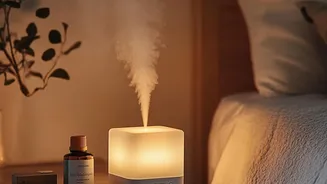
Given the risks, it's worth considering safer alternatives that provide similar benefits. Taking a warm shower and breathing in the steam is a much safer way to get the same effect. Using a cool-mist humidifier or a personal steam inhaler (vaporizer) can also add moisture to the air and your nasal passages without the risk of scalding from boiling water. These devices are designed for safety and control the temperature. Another simple option is to apply a warm, damp compress to your face, which can help ease sinus pressure and pain without any danger.
When Home Remedies Aren't Enough
While home remedies can provide comfort, they are not a substitute for medical care. If your sinus symptoms are severe, last longer than 10 days, or are accompanied by a high fever, thick green or yellow mucus, or severe facial pain, it's crucial to see a doctor. These could be signs of a bacterial infection that requires antibiotics or other medical treatments. Steam and other comfort measures can be used alongside medical advice, but they should not delay you from seeking professional help when you need it.